




More Than Just a Snack
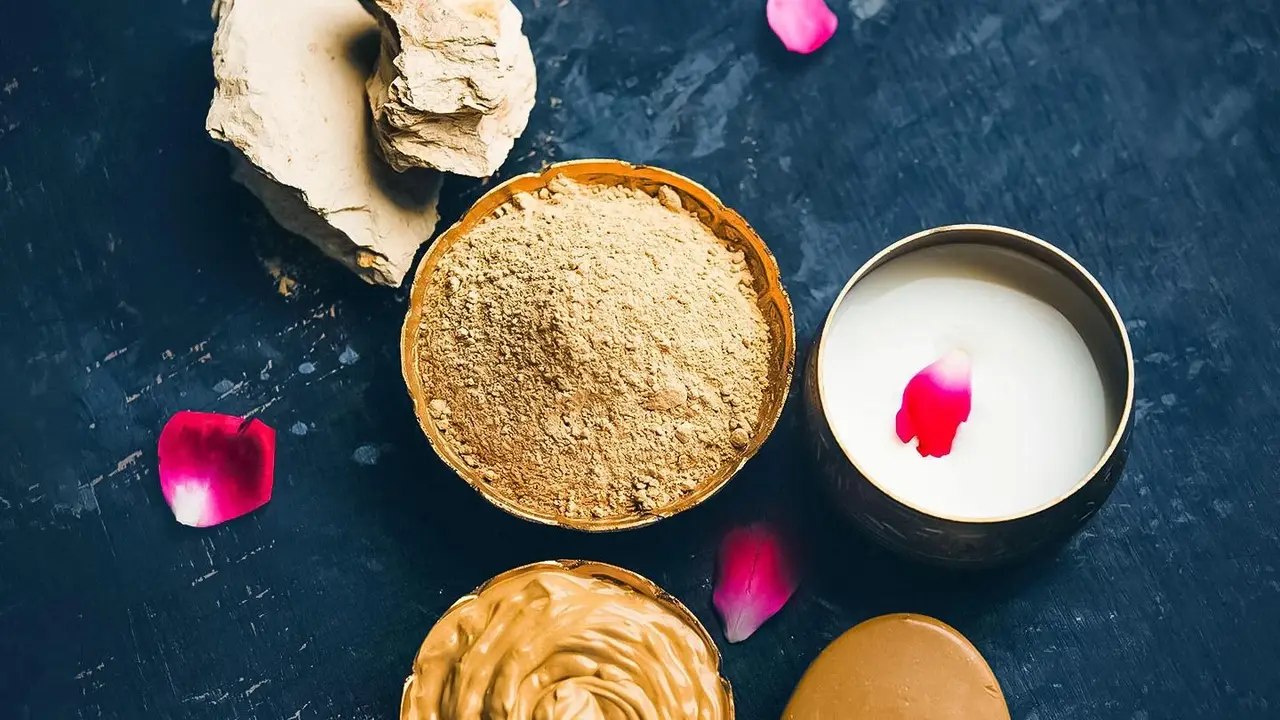
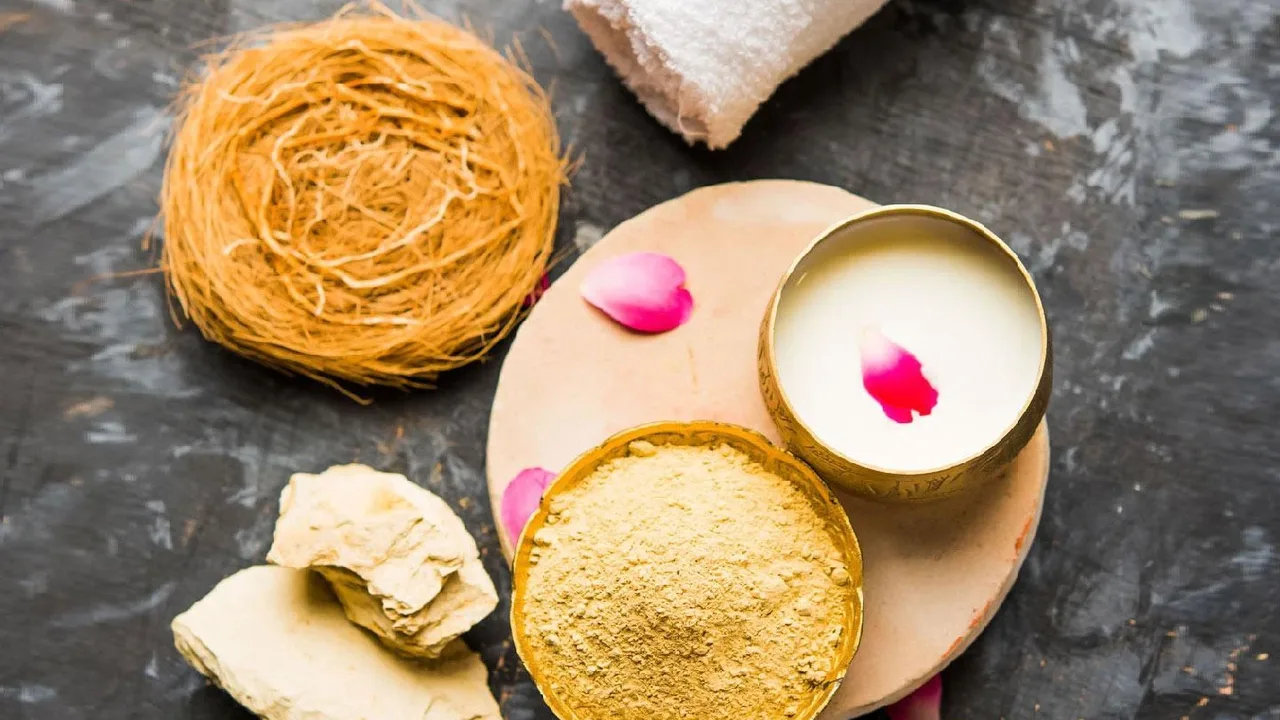
The connection between food and beauty is nothing new. For centuries, cultures worldwide have used kitchen staples for personal care, from Cleopatra’s famous milk baths to the use of turmeric and besan in Indian ubtans. However, today's trend is a full-blown
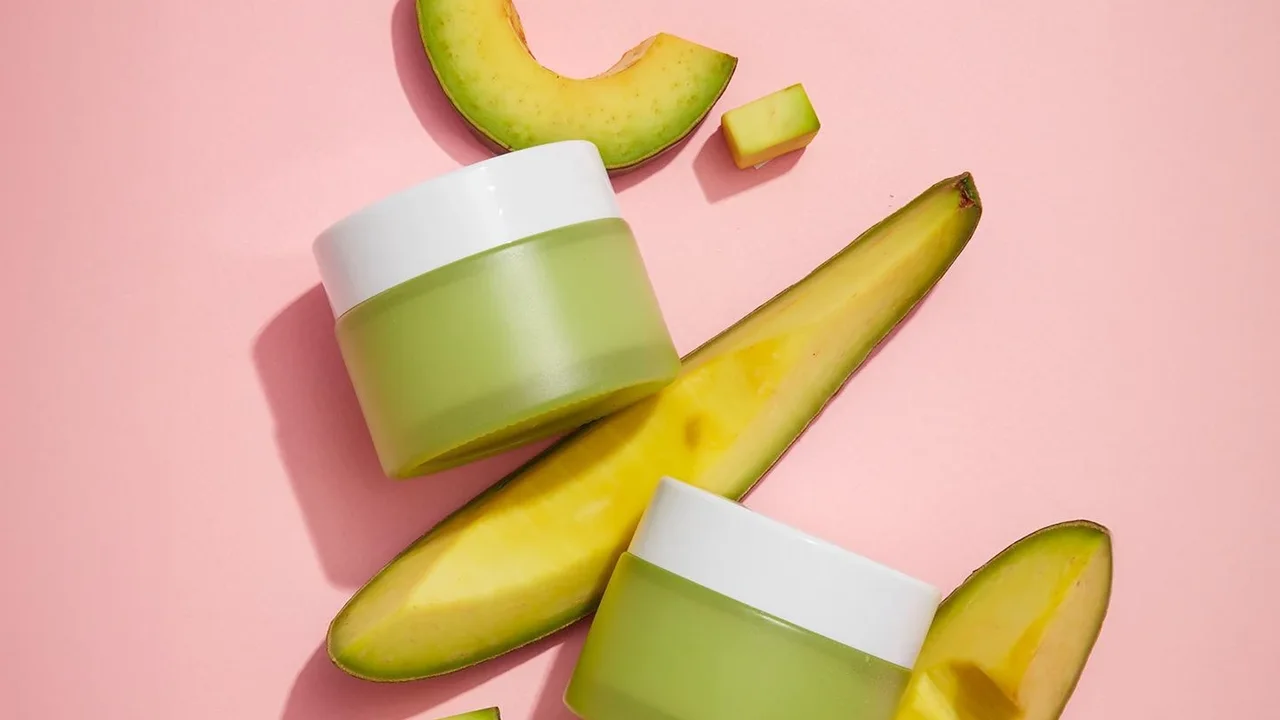
culinary crossover. It’s not just about using raw ingredients, but a sophisticated industry creating products that are either formulated with potent food extracts or designed to mimic the sensory experience of eating. Think peptide lip treatments that smell like caramelised banana or foundations that offer a 'glazed donut' finish. This goes beyond mere novelty; it's a strategic blend of nature, science, and sensory pleasure that has consumers hooked.
A Hunger for 'Clean' and 'Natural'
A primary driver of this trend is the growing consumer demand for transparency and simplicity. In an era of wellness, many people are more conscious of what they put on their bodies, not just in them. The idea is simple: if an ingredient is healthy enough to eat, it must be good for your skin. This has led to a boom in what is sometimes called 'edible beauty'. Brands are responding by formulating products with familiar, food-grade ingredients, moving away from complex chemical names that many consumers find intimidating. This shift reflects a broader desire for holistic wellness, where the line between nutrition and skincare is beautifully blurred.
India's Pantry on the Top Shelf
In India, this trend feels like a modern homecoming. Ingredients long revered in Ayurvedic traditions are now headlining mainstream products. Brands are harnessing the power of kitchen heroes like turmeric (haldi), ghee, and chickpea flour (besan) and pairing them with modern skincare science. You can now find luxurious creams made with 100-times-washed ghee, praised for its nourishing properties, or face washes infused with neem and tulsi for a cooling effect. Other brands focus on plant-based formulas using lemon, green tea, and aloe vera. It’s a celebration of local, trusted ingredients, presented in sophisticated, ready-to-use formats.
A Feast for the Senses
Beyond the ingredient list, the appeal is deeply psychological. Food-inspired beauty is a multi-sensory experience. A lip gloss that smells of fresh strawberries or a face cream with the whipped texture of frosting doesn't just perform a function; it provides a moment of comfort, nostalgia, and indulgence. This sensory marketing triggers dopamine, the brain's 'feel-good' chemical, turning a routine into a rewarding ritual. This is also why these products are so popular on social media; their playful packaging and delicious aesthetics are visually irresistible, creating shareable moments that fuel their viral appeal.
How to Be a Smart Shopper
While the trend is delightful, it pays to be a discerning consumer. The word 'natural' or an image of a fruit doesn't automatically guarantee efficacy. First, check the ingredient list. If the star food ingredient is listed near the end, it means the concentration is very low. Second, be aware of the difference between a natural scent from an extract and a synthetic 'fragrance' designed to mimic it. Lastly, while many food ingredients offer proven benefits—like the antioxidants in berries or the anti-inflammatory properties of turmeric—it's the overall formulation that matters. This trend embraces the idea that what's good for the body is good for the skin, but a thoughtful approach is always the best recipe for success.