





The Power of Personal Coaching
Even in a group setting, personalized coaching is what separates a generic workout from a premium experience. The goal of a trial class isn't just to make people sweat; it's to make them feel seen, supported, and successful. This begins the moment they
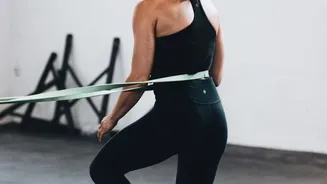
walk in. An instructor who uses a participant's name, offers a word of encouragement, or provides a quick form correction creates an immediate bond. This level of attention demonstrates value and shows that your facility is invested in individual progress, not just filling a room. Coaches who tailor their approach to a person's specific goals and limitations build trust and motivation. For a new visitor, this personalized guidance can be the deciding factor, transforming their apprehension into confidence and making them far more likely to commit long-term.
Modifications for Every Body
In any given class, you'll have a wide range of fitness levels, body types, and potential physical limitations. A one-size-fits-all approach is not only ineffective but can also be intimidating and unsafe. Offering modifications is crucial for creating an inclusive environment where everyone feels capable and welcome. Before the class begins, instructors should announce that modifications will be available for every exercise. The key is in the delivery: frame modifications not as easier options, but as smart variations. Phrases like, "A great variation for this is..." are more empowering than, "If you can't do this, do that." This encourages participants to listen to their bodies without feeling singled out. By providing options to both scale down and ramp up intensity, you show that your classes are designed for a long-term fitness journey, meeting people wherever they are.
Curating the Right Crowd Size
While a packed, high-energy class can look impressive, a smaller, more controlled group is often more effective for trials. The ideal size for group classes to maximize retention is often cited as being between seven and 12 people. Larger classes can dilute the instructor's attention, making it nearly impossible to deliver the personal coaching and modifications discussed earlier. For a new participant, a massive crowd can feel overwhelming and anonymous, creating a sense that they won't be missed if they don't return. A smaller group fosters a sense of community and accountability from the very first session. It allows the instructor to build rapport with each person and gives attendees a chance to connect with one another. This transforms the experience from an impersonal workout into a shared social event, which is a powerful driver for long-term adherence.
Bringing It All Together for Conversion
These three elements—coaching, modifications, and crowd size—work in harmony to create an unbeatable trial experience. A thoughtfully limited class size creates the space for an instructor to provide meaningful, personalized coaching. That coaching, in turn, allows them to observe participants closely and offer appropriate and timely modifications. This synergy builds a powerful value proposition. The trial attendee doesn't just get a workout; they receive a taste of semi-personal training within a motivating group environment. They feel cared for, capable, and connected to a community. This positive emotional experience is often a more significant factor in their decision to join than the price or variety of equipment. By nailing these three components, you shift the focus from a simple transaction to a relationship, dramatically increasing the likelihood that a first-time visitor will become a loyal member of your fitness family.