



A dire warning has been issued at the UN climate summit in Türkiye: global efforts to fight climate change have stalled, placing the world on a perilous path that threatens to blow past the critical 1.5°C warming limit agreed to in Paris.
A Global Progress Report Card: We Are Failing
Multiple reports
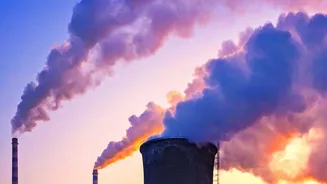
released ahead of and during the COP31 climate conference in Antalya, Türkiye, have painted a grim picture of global climate efforts. Analysis from the Climate Action Tracker (CAT) indicates that collective government action on climate has effectively stalled for the fifth consecutive year. Despite some progress in areas like renewable energy investment, which now doubles that of fossil fuels, the overall pace is dangerously slow. Greenhouse gas emissions remain at record levels, with current policies putting the world on a trajectory for 2.7°C of warming by the end of the century. This projection is a slight increase from last year and stands in stark contrast to the urgent, deep cuts required by science. Even in the most optimistic scenario, where all national pledges and long-term targets are met, warming would still hit 1.9°C.
Why 1.5°C Is a Critical Line in the Sand
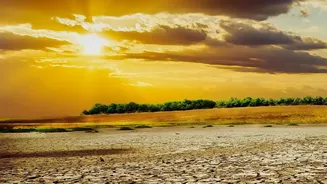
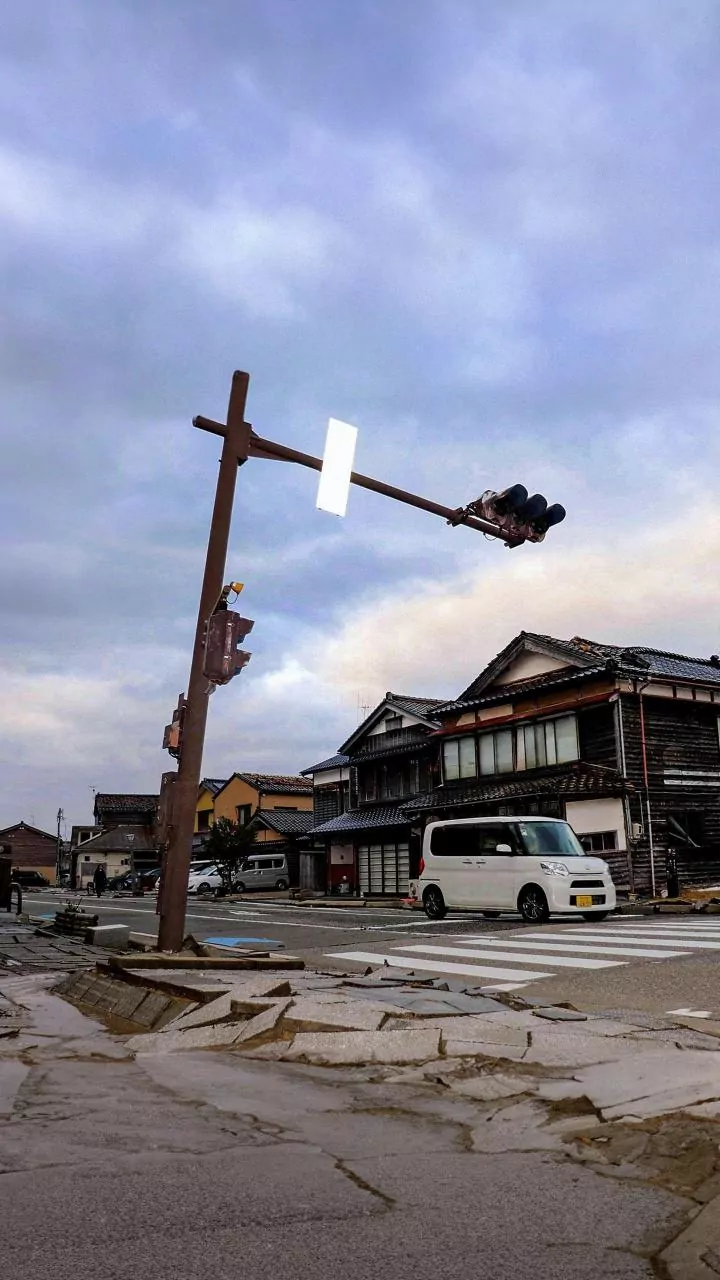
The 1.5°C target is not an arbitrary number; it is a crucial scientific threshold identified in the 2015 Paris Agreement. Scientists have warned that warming beyond this point will unleash far more severe and potentially irreversible climate impacts. The difference between 1.5°C and 2°C of warming is catastrophic, involving more intense heatwaves, deadlier floods, prolonged droughts, and the potential collapse of entire ecosystems like coral reefs. The UN Environment Programme's (UNEP) latest Emissions Gap Report has stated that the opportunity to limit warming to 1.5°C without a temporary 'overshoot' has now been lost. Exceeding this limit is now considered unavoidable, shifting the focus to limiting the magnitude and duration of the overshoot as much as possible. Every fraction of a degree matters, as each increment of warming significantly raises the risk of triggering tipping points, such as the irreversible melting of ice sheets, that could lead to runaway climate change.
The Chasm Between Promises and Reality
A key theme of the recent UN reports is the widening gap between what countries have promised to do and the policies they are actually implementing. The UNFCCC's synthesis report notes that while many countries have submitted new national climate plans (known as Nationally Determined Contributions, or NDCs), the collective ambition is still nowhere near enough. Current pledges would only reduce global emissions by 5% to 8% by 2030, a fraction of the 45% reduction needed by 2035 to stay on a path to limit the overshoot. This disconnect between pledges and action has been described as a three-year standstill, underscoring a failure of governments to treat the crisis with the required urgency. UN Secretary-General António Guterres has been blunt, stating that national climate plans are 'dangerously short' of what is needed.
An Urgent Call to Accelerate Action
The message from Antalya is clear: the world must pivot from promises to radical, immediate action. According to UNEP, the new goal is to keep warming below 2°C and then work to bring temperatures back down to 1.5°C by the end of the century. To achieve even this, dramatic steps are required. The reports call for tripling renewable energy capacity by 2030, rapidly phasing out the use of fossil fuels, and halting deforestation. Specifically, the share of coal, oil, and gas in the energy supply must be slashed significantly by 2035. UN Chief António Guterres has urged a 'new Climate Justice Compact' focused on ditching fossil fuels, boosting adaptation for a warmer world, and massively increasing financial aid from wealthy nations to those most vulnerable to climate impacts. The High Ambition Coalition, a group of nations including the UK and climatevulnerable states, has demanded that the COP31 summit respond to the dire scientific warnings with concrete plans for deep emission cuts and more finance.