







The Midnight Feast Is Now Open
A significant shift is underway in India's major cities. Food delivery giants and quick-service restaurants are pushing their services deep into the night, catering to a growing population of night owls. Recent data shows that orders placed between 11
PM and 3 AM have surged, with volumes doubling over the past year. This trend, initially sparked by lifestyle changes, has been further accelerated by global sporting events like the FIFA World Cup, which keep fans awake at odd hours. In response, platforms like Swiggy and Zomato, alongside chains such as Domino's and McDonald's, are extending their operating hours. Some McDonald's outlets in cities like Delhi-NCR, Lucknow, and Jaipur now serve until 3 AM, while many Domino's stores are also taking orders late into the night. The result is a burgeoning 24/7 delivery ecosystem that is rapidly becoming a permanent feature of urban life.
The Economics of the Night Owl
Why this sudden rush into the darkness? The primary driver is a combination of changing consumer habits and sound business strategy. With daytime delivery markets becoming increasingly saturated, companies are seeking new avenues for growth. The late-night window represents a vast, untapped market. This demand comes from several key demographics: young consumers with later sleep schedules, professionals working night shifts in IT and BPO sectors, students studying for exams, and people enjoying late-night entertainment. According to industry executives, the sleep timings for many young urban consumers have shifted towards 2 or 3 AM, fundamentally altering traditional dinner times. This isn't just about more orders; it's about more valuable ones. Late-night orders often have a higher ticket size, making the 'fourth meal' economy an attractive and profitable frontier for these platforms.
Kitchens That Never Close
Meeting this new demand requires a supply chain that can operate around the clock. This has led to the rise of restaurants and cloud kitchens extending their hours or, in some cases, operating exclusively at night. While Zomato and Swiggy themselves may be available 24/7, delivery is contingent on restaurants being open. To bridge this gap, platforms are actively partnering with eateries willing to cater to the midnight crowd. For many quick-service restaurants and cloud kitchens, this is an opportunity to maximize asset utilization during what was once a dormant period. Popular late-night choices include pizzas, burgers, and desserts, which have seen a significant spike in orders. This shift is not just confined to metros like Bengaluru, Hyderabad, and Mumbai; tier-2 and tier-3 cities such as Surat, Thiruvananthapuram, and Patna are also witnessing robust growth in late-night order volumes.
The Gig Worker's New Frontier
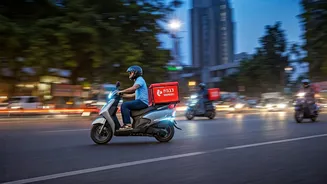
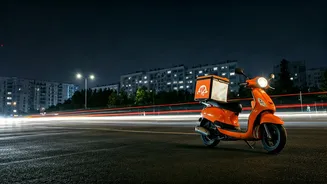
The expansion into late-night service relies heavily on the backbone of the gig economy: the delivery riders. For these workers, the night shift offers the potential for increased earnings through incentives. However, it also presents a unique set of challenges. Limited rider availability during odd hours can lead to longer delivery times, forcing platforms to consolidate multiple orders to maintain efficiency. More importantly, there are significant safety and security concerns for those navigating city streets after midnight. Issues like poor visibility, financial insecurity from unpredictable demand, and long hours contribute to health and wellness challenges for this workforce. As the gig economy expands to cover all 24 hours of the day, ensuring the well-being and fair treatment of its workers becomes a critical part of the conversation.