




The Magic of a Fleeting Bloom
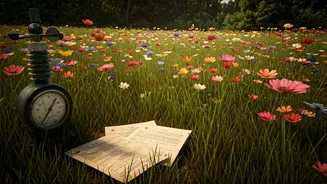
Across India, there's a growing community of travellers known as 'bloom chasers'. These enthusiasts plan their holidays around the brief, spectacular flowering seasons of rare plants in remote landscapes. The most famous destination is the Valley of Flowers
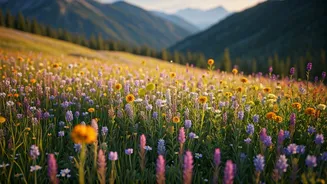
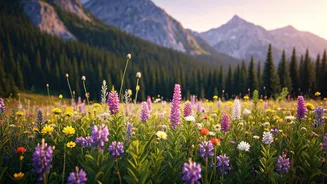
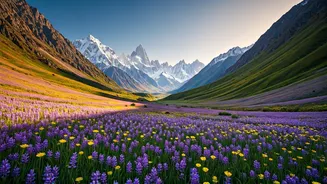
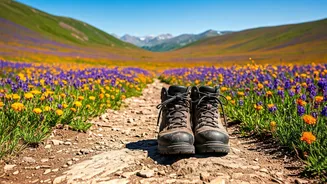
National Park in Uttarakhand, a UNESCO World Heritage Site. Every year from June to October, its high-altitude meadows transform into a vibrant tapestry of over 600 floral species. This natural spectacle, set against snow-capped peaks, is the result of the monsoon rains awakening the valley after a long, snow-covered winter. The experience is a powerful draw for trekkers, photographers, and anyone seeking a connection with nature’s grand, fleeting cycles. But reaching this paradise isn't a simple walk in the park; it's a journey that demands respect for nature and meticulous planning.
Why Weather Is Your Most Important Guide
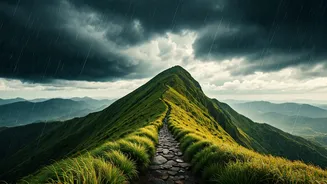
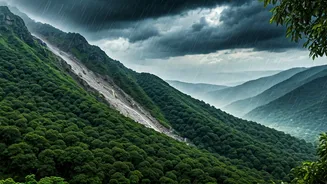
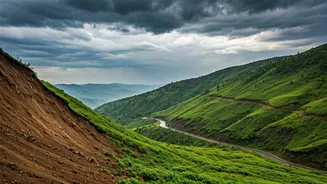
For any Himalayan trek, but especially a monsoon one to the Valley of Flowers, weather is the most critical factor. The season opens on June 1, but the peak bloom happens between mid-July and late August, which coincides with the heaviest rainfall. This rain is what fuels the bloom, but it also brings challenges. Trails can become muddy and slippery, and the risk of landslides on access roads like the one to Govindghat increases. Temperatures can be pleasant during the day, often ranging from 12°C to 20°C, but they can drop significantly at night. Sudden afternoon showers are common. Therefore, checking the weather forecast just before your trip is essential. Pack accordingly, with waterproof trekking shoes, a reliable poncho or rain jacket, and warm layers for the cold evenings at the Ghangaria base camp. Being prepared for rain and chill is non-negotiable for a safe and enjoyable experience.
Secure Your Permits Well in Advance
Gaining entry to protected natural wonders like the Valley of Flowers requires a permit, and this is a step you cannot afford to overlook. To protect the fragile alpine ecosystem, authorities cap the number of daily visitors at 300. For the 2026 season, which runs from June 1 to October 31, permits can be booked online through the Uttarakhand Forest Department's official portal. While an offline counter still exists at the Ghangaria check post, relying on it during the peak season of July and August is a gamble. The entry fee for Indian citizens in 2026 is ₹200 for a three-day pass. Booking your permit online not only secures your spot but also saves you from potential disappointment after a long journey. Remember that overnight camping within the valley is strictly prohibited; all visitors must enter after 7 AM and leave by 5 PM.
Look Beyond the Valley of Flowers
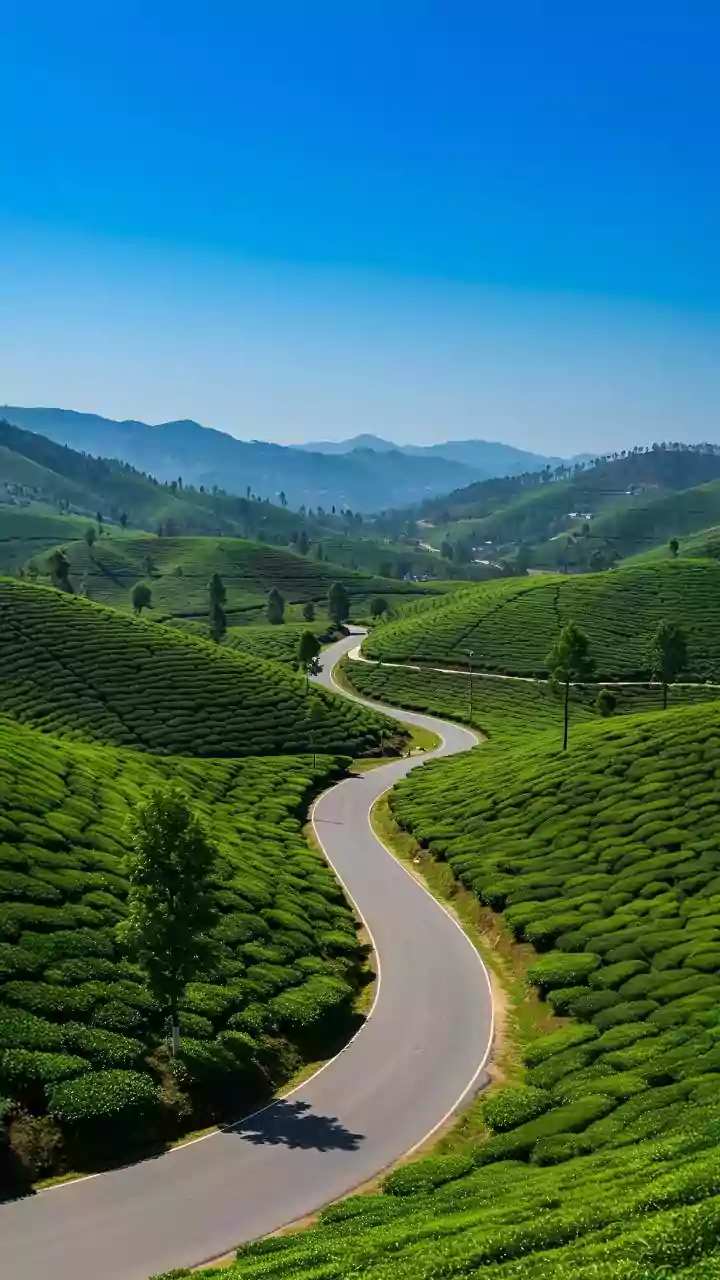
While the Valley of Flowers is the crown jewel, India offers other spectacular blooms for aspiring chasers. In Maharashtra, the Kaas Plateau, another UNESCO World Heritage Site, comes alive with a carpet of tiny, colourful flowers from late August to early October. Similar to its Himalayan counterpart, Kaas has a daily visitor cap and a mandatory online booking system to manage crowds and preserve its delicate ecosystem. For those willing to play the long game, the ultimate prize is the Neelakurinji bloom in the Western Ghats of Kerala and Tamil Nadu. This shrub, which gives the Nilgiri (Blue Mountains) their name, blossoms only once every 12 years, covering entire hillsides in a surreal blue-purple hue. After its last major flowering in 2018, the next grand spectacle is anticipated in 2030, making it a true once-in-a-generation event to plan for.
Tread Lightly: The Rules of Responsible Chasing
The beauty of these floral landscapes is incredibly fragile. As a visitor, you have a responsibility to help preserve them. The guiding principle is 'Leave No Trace'. This means sticking strictly to the marked trails to avoid trampling delicate plants. Plucking flowers is strictly forbidden and can result in fines. Carry all your litter, including food wrappers and plastic bottles, back with you to dispose of it responsibly in designated areas. Minimise noise to respect both the wildlife and the serene atmosphere. By following these simple rules, you ensure that the valley remains pristine for future generations of bloom chasers. Supporting local communities by hiring local guides or staying in village homestays also contributes positively to the region’s conservation efforts.