








The Humidity Effect on Your Body
When humidity rises, our bodies work overtime to cool down. Sweating becomes less effective at evaporating and cooling our skin, leading to a higher internal body temperature. This extra physiological stress can have a surprising impact on our digestive
system. Many people experience a feeling of sluggishness or 'digestive slowdown'. The body diverts energy to cooling itself, leaving less for other processes, including digestion. This is why heavy, greasy, or hard-to-digest foods can feel particularly uncomfortable during the monsoon or peak summer humidity. You might feel bloated, lethargic, and even more tired after eating.
The Processed Snack Trap
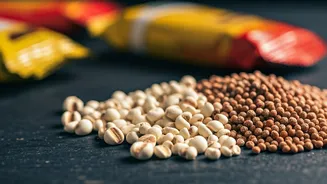
In these moments of low energy, it's tempting to grab the nearest, easiest snack—often a bag of chips, biscuits, or some other packaged good. While convenient, this is often the worst choice in humid weather. Processed snacks are typically high in refined carbohydrates, sodium, and unhealthy fats. The high sodium content can contribute to water retention and bloating, making you feel even puffier and more uncomfortable in the damp air. Furthermore, the simple sugars and refined flours provide a quick burst of energy, but it's followed by a dramatic crash, leaving you feeling more drained than before. They offer little in terms of sustained energy or valuable nutrients, effectively pouring empty calories into a system that's already struggling.
Enter Millets: The High-Fiber Hero
This is where millets like ragi (finger millet), jowar (sorghum), and bajra (pearl millet) come in. These ancient grains are nutritional powerhouses, but their real magic in humid weather lies in their high fiber content. Fiber is a type of carbohydrate that the body can't digest. Instead of being broken down into sugar, it passes through your system largely intact. This process has several key benefits. Firstly, it helps to regulate the digestive system. In a period when your digestion might be sluggish, the bulk provided by fiber can help keep things moving smoothly, preventing the constipation and bloating that can accompany a humid spell. This keeps your gut happy and reduces feelings of heaviness.
Sustained Energy, Not a Sudden Crash
Unlike the quick spike from a sugary biscuit, the energy from millets is released slowly and steadily. This is because they are complex carbohydrates. The presence of fiber slows down the absorption of sugar into the bloodstream, preventing the sharp peaks and troughs in blood glucose levels. This translates to more consistent energy levels throughout the day, helping you fight the lethargy that humidity often brings. Instead of a 15-minute high followed by a two-hour slump, you get a reliable source of fuel that keeps your mind and body active. This makes millet-based snacks a far superior choice for maintaining productivity and mood on a difficult day.
Lighter, Fuller, and More Hydrating
Millets are also naturally light on the stomach and gluten-free, which many find easier to digest. A snack made of jowar puffs or a ragi cracker won't sit in your stomach like a heavy, fried samosa. They help you feel full and satisfied without the accompanying bloat. Moreover, while processed snacks are dehydrating due to their high salt content, many traditional millet preparations are hydrating. Think of a simple bowl of ragi porridge or a refreshing glass of bajra raab. These foods not only provide nutrients but also help replenish fluids, which is crucial when you're losing water through sweat in a humid environment.
Simple Swaps for Smarter Snacking
Making the switch doesn't have to be complicated. Instead of reaching for packaged biscuits, try a homemade ragi cookie. Swap out potato chips for roasted jowar puffs or makhana (fox nuts). A small bowl of millet upma can be a far more satisfying and energising 4 PM snack than a packet of instant noodles. The market is also now full of healthy, millet-based snack bars and baked goods that provide convenience without the nutritional downside. By making these simple, conscious choices, you're not just eating healthier—you're strategically managing your body's response to the challenging weather.