

As temperatures drop, do you notice your hair becoming dry, brittle, and your scalp feeling tight and flaky? You’re not alone. The combination of cold outdoor air and dry indoor heat can strip moisture, but there's an ancient remedy that works.
Why Winter Weather Wreaks Havoc on Your Hair
The crisp
winter air may be refreshing, but it's no friend to your hair and scalp. Cold, dry air has low humidity, which causes moisture to evaporate from your hair strands, leaving them brittle and prone to breakage. This effect is compounded by indoor heating, which further dries out the environment. The cold also constricts blood vessels in the scalp, reducing the flow of nutrients to hair follicles, which can slow growth and diminish vitality. This can lead to a host of issues, including a dry, itchy scalp, increased flakiness, frizz, split ends, and a general lack of shine and softness.
The Protective Power of Vitamins
Vitamins are crucial for maintaining hair health, and applying them through oils provides direct nourishment. Vitamin E is a powerful antioxidant that helps reduce oxidative stress on the scalp, which can cause hair follicle cells to break down. By creating a protective barrier, it locks in moisture, preventing dryness and breakage. It also helps improve blood circulation to the scalp, which supports healthy follicle function. Other vitamins, like A and D, also play a role; Vitamin A supports moisture, while B vitamins are essential for strong follicles.
The Best Vitamin-Rich Oils for Winter Hair Care
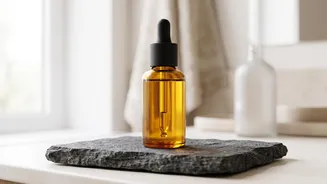
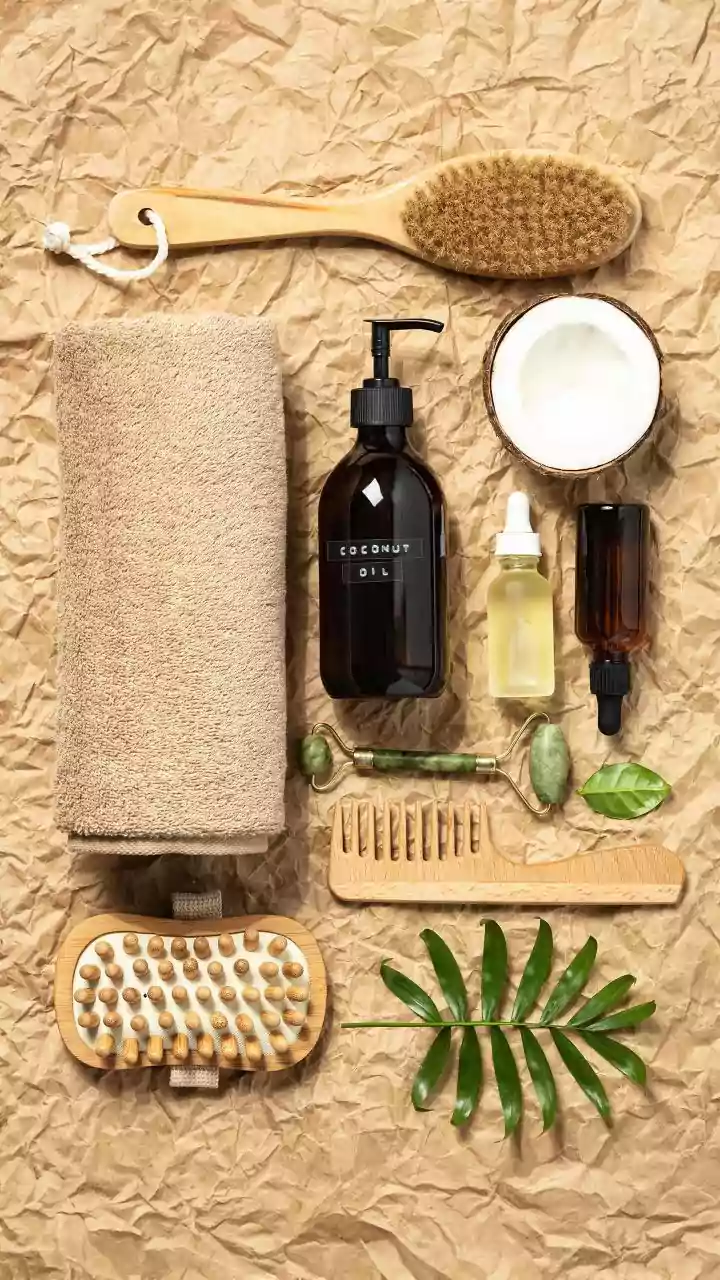
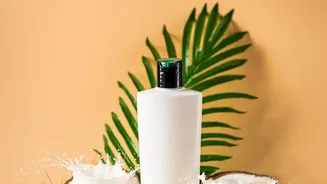
Not all oils are created equal. For winter, you need oils that can penetrate the hair shaft, seal in moisture, and nourish the scalp. Here are some top choices: Coconut Oil is rich in fatty acids and penetrates deep into the hair shaft to prevent protein loss and lock in moisture, making it ideal for combating dryness and breakage. Argan Oil, often called 'liquid gold', is packed with Vitamin E and antioxidants. It's lightweight, reduces frizz, and adds shine without weighing hair down. Almond Oil is loaded with Vitamins E, A, and B, helping to restore moisture to brittle hair and soothe a flaky scalp. Jojoba Oil closely mimics the scalp's natural sebum, making it excellent for balancing oil production and moisturising a dry, itchy scalp.
Your Step-by-Step Guide to Hair Oiling
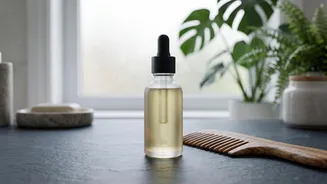
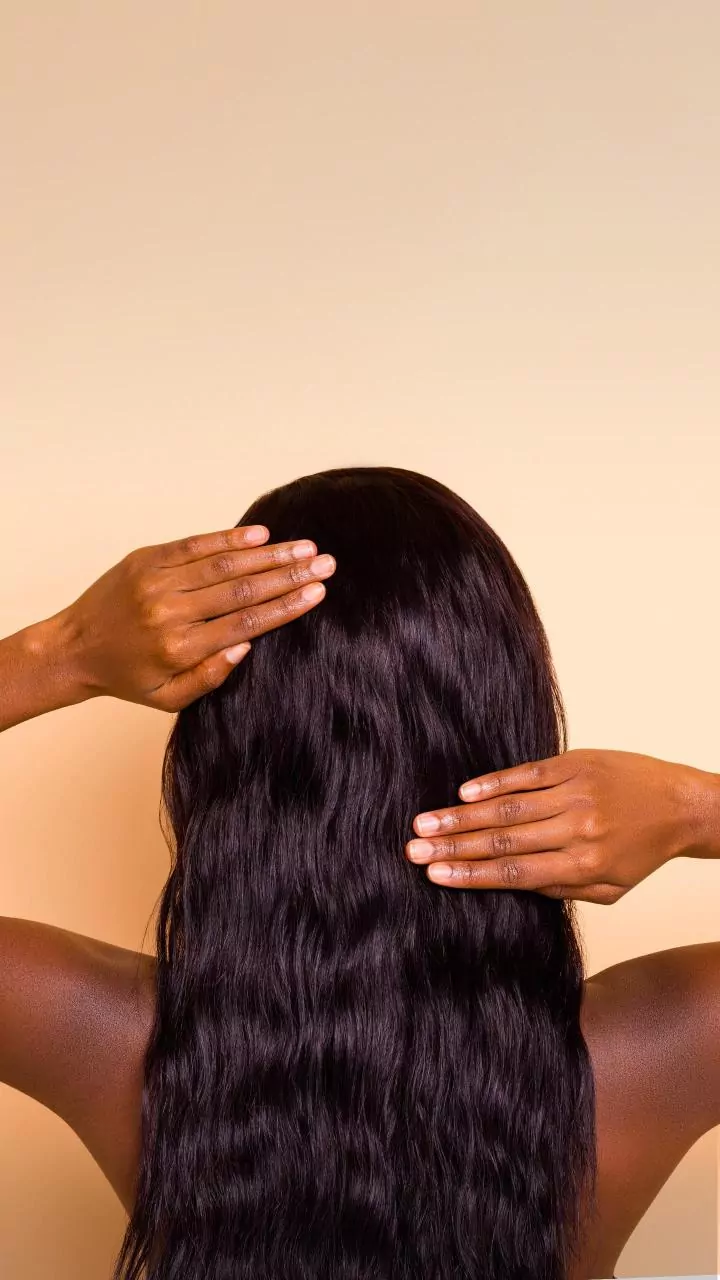
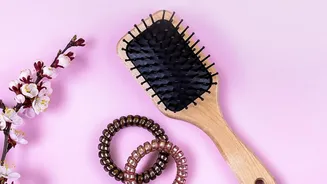
Hair oiling is an ancient Ayurvedic practice that is simple to incorporate into your routine. For a pre-shampoo treatment, follow these steps once or twice a week. First, start with dry hair, as oil absorbs more effectively than on wet hair. Gently brush your hair to detangle it. Warm a small amount of your chosen oil in your palms and apply it directly to the scalp in sections. Using the pads of your fingertips, massage the oil into your scalp for 3–5 minutes in small, circular motions to boost circulation. Then, work the remaining oil through the mid–lengths and ends, which are often the driest parts. Let the oil sit for at least 30 minutes, or even overnight for a deep conditioning treatment, before washing it out thoroughly with a gentle shampoo. You may need to shampoo twice to remove all residue.
Creating a Shield Against the Cold
Think of a good hair oil as a protective coat for your hair. The oil forms a barrier on the hair's cuticle, the outermost layer of the strand. This shield serves two main functions. First, it prevents moisture from escaping the hair shaft, which is crucial when you're moving between cold outdoors and heated indoors. Second, it protects the hair from environmental aggressors and friction from winter hats and scarves, which can lead to static and breakage. By sealing the cuticle, the oil smooths the hair's surface, resulting in less frizz, fewer split ends, and a healthier, shinier appearance.