
The Audacity of a Dream
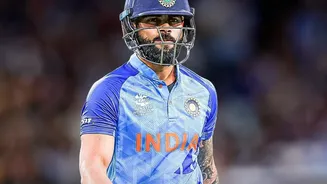
For Indian cricket fans, the dream of a third ODI World Cup title feels both tantalisingly close and frustratingly distant. Rohit Sharma, a modern-day white-ball giant, shares that sentiment deeply. In recent interviews, he has made it clear that he isn't
just sticking around; he is aiming for redemption. Referring to it as "unfinished business," Rohit has confirmed he is looking forward to the 2027 tournament, set to be held in South Africa, Zimbabwe, and Namibia. This isn't a fleeting thought but a sustained ambition, with earlier statements this year reinforcing his desire not just to participate, but to win. After stepping away from Test and T20I cricket, his entire focus is now on the 50-over format, channeling all his energy into one final, monumental campaign.
Racing Against Time: The Age Factor
The biggest and most obvious hurdle is time itself. Born in April 1987, Rohit Sharma will be 40 years old when the 2027 World Cup kicks off. In the world of elite sport, that's a significant number. The demands of a multi-week, high-intensity tournament test the physical limits of players in their prime, let alone those entering their fifth decade. However, history does offer a glimmer of hope. In 1992, an inspired Imran Khan led Pakistan to World Cup glory at the age of 39, proving that leadership and experience can be potent weapons. While not a captain, Sachin Tendulkar was a vital part of India's 2011 winning squad at 37, scoring crucial centuries along the way. Rohit's quest is not unprecedented, but it remains a monumental challenge against the biological clock.
Fitness, Form, and Focus
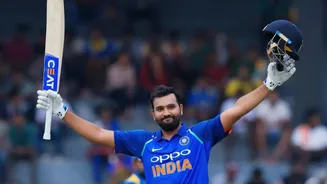
Beyond age, the critical question is whether Rohit can maintain the elite fitness and form required to compete at the highest level. The ODI format is a gruelling test of endurance, skill, and concentration. Playing in southern African conditions will bring its own challenges, with bouncy pitches and demanding travel schedules. The positive for Rohit is his single-minded focus on this one format. With no T20I or Test commitments, he can meticulously manage his workload, training, and recovery. His supporters will point to his remarkable record, including being the only player with three ODI double-centuries and his stunning five centuries at the 2019 World Cup, as proof of his match-winning ability. To make the 2027 dream a reality, he will need to combine that explosive talent with unwavering physical discipline for the next three years.
It Takes a Team: The Indian Equation
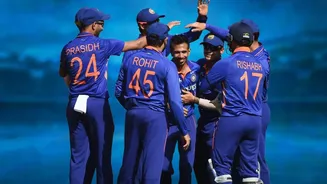
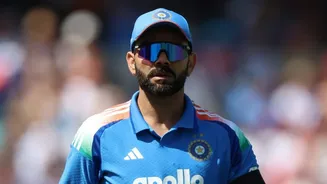
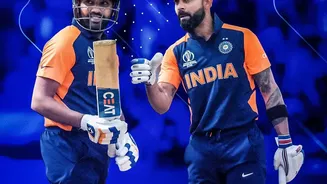
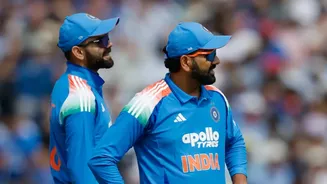
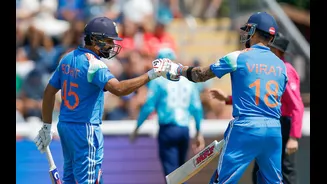
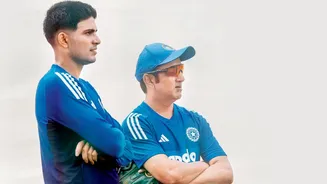
Rohit Sharma cannot win the World Cup alone. His success will be inextricably linked to the strength and structure of the team around him. He will be part of a generational transition. Virat Kohli, another pillar of Indian cricket, has also suggested the 2027 tournament will be his last. The presence of two seasoned veterans could provide invaluable stability and guidance to a younger squad. The team's core will likely be built around the next generation of stars like Shubman Gill and Yashasvi Jaiswal. Head coach Gautam Gambhir has noted that the planning for 2027 will begin seriously after the 2026 IPL season, with a clear focus on building a squad suited for the specific conditions. Rohit's role, whether as a senior player, mentor, or potential captain, will be crucial in shaping this new-look Team India.
Legacy on the Line
Ultimately, this quest is about legacy. Rohit Sharma has won almost everything there is to win in white-ball cricket, including T20 World Cups and multiple IPL titles. But the ODI World Cup remains the one jewel missing from his crown. For a player of his calibre, it's the final frontier. His journey mirrors that of Sachin Tendulkar, who had to wait until his sixth and final attempt in 2011 to lift the coveted trophy. That victory cemented Tendulkar's legacy, and a win in 2027 would do the same for Rohit, providing a fairytale ending to an already stellar career. It would be the perfect final chapter for the 'Hitman,' transforming the pain of 2023 into the triumph of 2027.