




The Building Blocks of Recovery
When you exercise, you create tiny micro-tears in your muscle fibres. The process of repairing these tears is what makes muscles stronger, and the primary tool your body uses for this repair job is protein. But protein itself is made of smaller components
called amino acids. There are 20 different amino acids, nine of which are considered 'essential'. Essential means your body can't produce them on its own; you must get them from the food you eat. For effective muscle repair and growth, your body needs a sufficient supply of all nine of these essential amino acids at its disposal. Think of them as a set of unique Lego bricks—if you're missing even one type, you can't build the final structure.
Understanding Complete vs. Incomplete
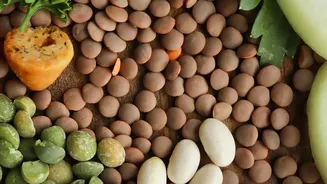
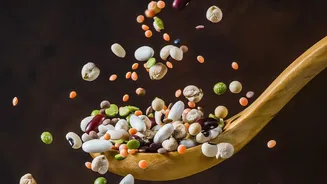
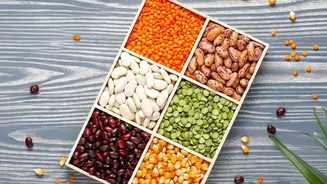
This is where the terms 'complete' and 'incomplete' protein come in. A 'complete' protein source contains all nine essential amino acids in roughly equal and adequate amounts. Animal-based foods like meat, eggs, and dairy are generally considered complete proteins. Most plant-based foods, on the other hand, are 'incomplete'. This doesn't mean they are bad or lack protein. It simply means they are low in one or more of the essential amino acids. For example, many grains are low in the amino acid lysine, while legumes like beans and lentils are often low in methionine. This is known as the 'limiting amino acid'—the one that's in shortest supply, which can limit your body's ability to synthesise new protein.
The Power of Smart Pairing
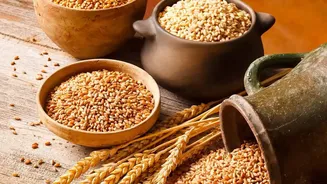
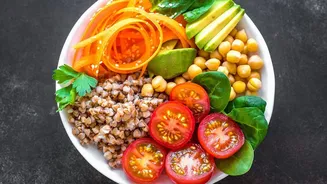
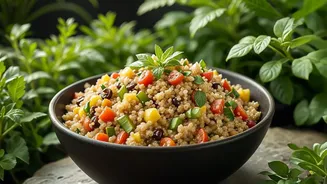
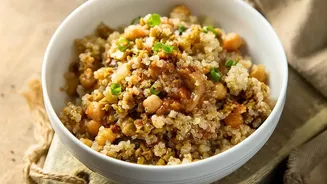
This is the simple but brilliant solution that Indian cuisine has mastered for centuries: protein complementation. By combining foods with different limiting amino acids, you create a meal that, together, provides a complete amino acid profile. The deficiency in one food is balanced by the abundance in the other. Whole grains, which are low in lysine, are rich in the methionine that legumes lack. Conversely, legumes are packed with the lysine that grains are missing. When you eat them together, their amino acid profiles complement each other, effectively providing your body with all the necessary building blocks for recovery.
Classic Indian Pairings That Work
The beauty of this nutritional strategy is that it's already a cornerstone of the traditional Indian diet. You've likely been eating complete proteins your whole life without even thinking about it. Some classic examples include: Dal and Rice: The quintessential Indian meal is a perfect protein pairing. Lentils (dal) provide the lysine that rice is low in, and rice provides the methionine that dal lacks. Roti and Chana: Whole wheat flatbread (roti) paired with a chickpea curry (chana masala) is another delicious and powerful combination. Khichdi: This comfort food, made by cooking rice and moong dal together, is an ideal complete protein meal, often recommended for recovery. Idli/Dosa with Sambar: The fermented batter of rice and urad dal, served with a lentil-based stew, covers all the amino acid bases.
A Modern Update on Timing
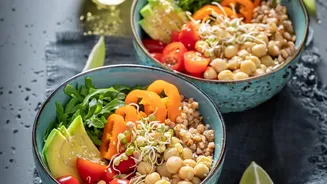
For years, the advice was that you had to eat these complementary proteins in the same meal for the benefits to count. However, modern nutritional science has debunked this myth. Your body is smarter than we gave it credit for; it maintains a 'pool' of amino acids from the foods you eat throughout the day. So, as long as you eat a variety of plant-based protein sources—legumes, grains, nuts, and seeds—over the course of the day, your body can pull the necessary amino acids from this pool as needed to repair muscle and perform other functions. You don't need to stress about perfectly combining proteins at every single meal. The key is dietary diversity. Eating a varied vegetarian diet ensures you are consistently replenishing all the essential amino acids your body requires for optimal recovery and health.