





What Exactly Is Joint Mobility?
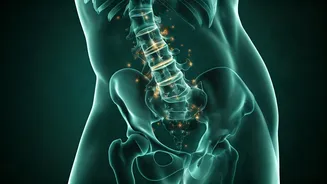
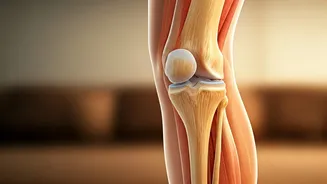
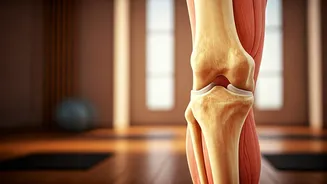
Forget complex poses for a moment. At its core, joint mobility is simply your ability to move a joint actively and freely through its full, intended range of motion. Think about your shoulders, hips, ankles, and spine. Mobility isn't about forcing a stretch;
it's about having control and strength throughout the movement. It’s the difference between passively being able to lift your leg high (flexibility) and being able to swing it high with control and without assistance (mobility). Good mobility means you can perform everyday actions—like reaching for a jar on a high shelf, squatting to pick something up, or turning your head to check for traffic—smoothly and without pain or restriction.
Why the Sudden Buzz?
The focus on joint mobility has surged for a simple reason: our modern lifestyles are actively working against it. Hours spent sitting at desks, commuting in cars, or staring down at our phones lock our bodies into limited positions. This sedentary pattern can lead to stiff hips, a rounded spine ('tech neck'), and tight shoulders. Over time, these restrictions don't just cause discomfort; they can lead to chronic pain, poor posture, and an increased risk of injury when we do try to be active. People are realising that an hour at the gym doesn't undo eight hours of sitting. Joint mobility offers a direct solution—a way to reclaim the natural movement patterns our bodies were designed for.
The 2024 Yoga Day Connection
This year's International Yoga Day theme, “Yoga for Self and Society,” provides the perfect context for this trend. Joint mobility is the ultimate act of 'Yoga for Self.' By tending to our joints, we are engaging in fundamental self-care. We are ensuring our physical body remains functional, pain-free, and resilient for years to come. This isn't about vanity; it's about preserving our independence and quality of life. The “Society” aspect follows naturally. When you can move with ease, you can participate more fully in the world around you. You can play with your children or grandchildren, carry groceries for an elderly neighbour, or simply walk through your community without discomfort. A body that moves well is a body that can better serve itself and, by extension, the society it is part of.
Simple Moves to Boost Your Mobility
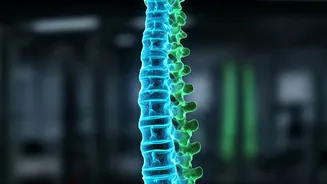
You don't need a special class to start. Incorporate these simple drills into your day: 1. **Cat-Cow Stretch (Marjaryasana-Bitilasana):** On your hands and knees, inhale as you drop your belly and look up (Cow). Exhale as you round your spine, tucking your chin to your chest (Cat). This is fantastic for spinal mobility. 2. **Shoulder Circles:** Sit or stand tall. Slowly roll your shoulders forward, up, back, and down in large, controlled circles. Do five in one direction, then reverse. This helps undo the damage of hunching. 3. **Ankle Rotations:** While seated, lift one foot off the floor and slowly draw circles with your big toe. Go clockwise and then counter-clockwise. This is crucial for balance and preventing ankle sprains. 4. **Hip CARs (Controlled Articular Rotations):** Standing and holding onto a wall for support, lift one knee to hip height. Slowly rotate it out to the side, then back, and down, as if drawing a large circle with your knee. Move slowly and with control.
It's Not Just About Flexibility
It’s a common misconception to equate mobility with flexibility. Flexibility is a component of mobility, but it isn't the whole story. Flexibility is passive—it's the ability of your muscles to lengthen. You can be very flexible but have poor mobility if you lack the strength and control to move through that range of motion. For example, someone might be able to pull their leg into a deep stretch (passive flexibility) but struggle to lift it high on their own (active mobility). The goal of mobility training is to bridge that gap, building strength at the end-ranges of your motion to create functional, usable movement.