


The Open-Air Gym Advantage
Taking your fitness routine outdoors offers a wealth of benefits that a traditional gym can't match. Studies have shown that 'green exercise' can significantly improve mood, reduce stress, and boost self-esteem. Soaking up some sunshine provides a natural
dose of Vitamin D, which is essential for bone health and immune function. The varied terrain and fresh air can also make workouts feel less strenuous and more enjoyable, increasing the likelihood that you'll stick with your routine. Best of all, it's completely free and accessible, turning any local park into your personal fitness centre.
Warm-Up and Safety First
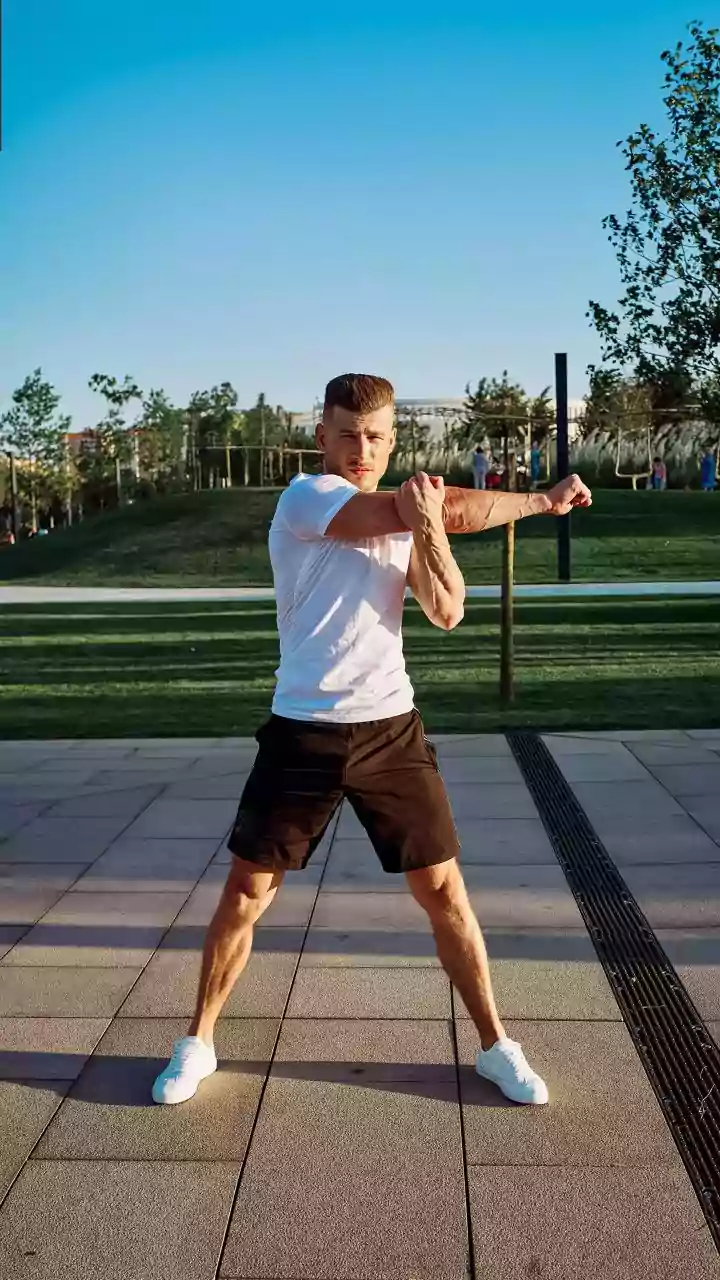
Before you start, a proper warm-up is crucial to prepare your muscles and prevent injury. Spend five to ten minutes on dynamic movements like high knees, butt kicks, arm circles, and leg swings to get your heart rate up and loosen your joints. Always inspect the playground equipment before you use it. Check for wet surfaces, sharp edges, or loose parts. Wear supportive, closed-toe athletic shoes for stability, and avoid clothing with drawstrings that could get caught. The most important rule is to listen to your body; start slow and only progress when you feel comfortable and confident in the movement.
The Bench: Your Full-Body Station
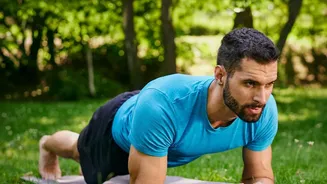
The humble park bench is one of the most versatile pieces of equipment you can find. Use it for a range of exercises that target different muscle groups. For a lower-body challenge, perform step-ups by placing one foot on the bench and driving up, or try box jumps for a more explosive movement. For your upper body, face away from the bench and place your hands on the edge for tricep dips. You can also use it to modify push-ups; place your hands on the bench for an incline push-up (easier) or your feet on the bench for a decline push-up (harder).
Monkey Bars: Upper-Body Powerhouse
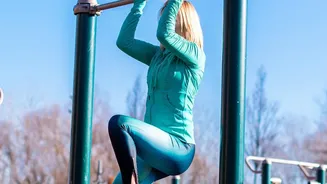
The monkey bars are a calisthenics staple, perfect for building serious upper-body and grip strength. If you're a beginner, simply hanging from the bar for 20-30 seconds at a time is a great way to start. From there, you can progress to pull-ups; if a full pull-up is too difficult, try 'negatives' by jumping to the top position and lowering yourself down as slowly as possible. Hanging knee raises, where you pull your knees toward your chest, are a fantastic exercise for strengthening your core and abs.
Swings: A Core and Stability Challenge
The instability of a swing makes it an excellent tool for challenging your core muscles. Get into a plank position with your hands on the ground and your feet in the seat of the swing. From here, you can perform knee tucks by pulling your knees toward your chest, or pikes by lifting your hips toward the ceiling while keeping your legs straight. These movements force your abdominal and oblique muscles to work overtime to keep you stable, providing a surprisingly intense core workout.
Putting It All Together
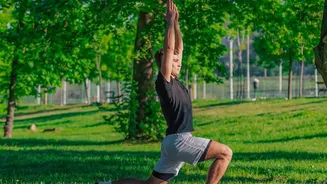
Combine these movements into a circuit for a highly effective, full-body workout. Try performing each exercise for 10-15 repetitions (or a 30-second hold for hangs) and moving from one station to the next with minimal rest. Once you've completed one round of all the exercises, rest for a minute or two and then repeat the entire circuit 3-5 times. Don't forget to use the open grassy areas for cardio bursts like sprints, burpees, or walking lunges to keep your heart rate elevated. After your workout, spend a few minutes cooling down with some gentle static stretches, holding each stretch for 20-30 seconds to improve flexibility and aid recovery.