



The era of caked-on, full-coverage foundation is fading. A major shift is underway, led by Gen Z and Millennial shoppers who are embracing their real skin, texture and all. But this is more than a trend; it's a fundamental change in values.
Skincare Is the New Foundation
The biggest
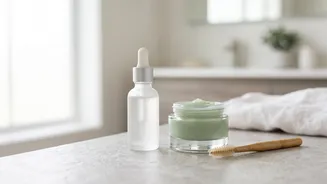
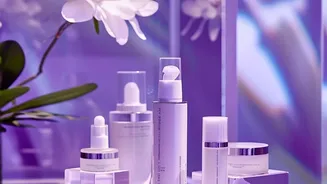
driver behind the move to natural skin is the radical prioritisation of skincare. For these younger generations, a healthy, glowing complexion is the ultimate base, not a thick layer of makeup. They grew up with access to dermatologists and skincare experts on platforms like TikTok and Instagram, learning to read ingredient lists and understand what their skin actually needs. This knowledge has empowered them to focus on achieving healthy skin from within, reducing the need to cover it up. Brands have responded, with Gen Z in particular spending a significant portion of their beauty budget on skincare over makeup. The goal has shifted from concealing imperfections to improving skin health, making lightweight, breathable products the more logical choice.
A Quest for Authenticity
After years of perfectly filtered, poreless 'Instagram face', a powerful counter-movement towards authenticity has emerged. Gen Z and Millennials are increasingly celebrating real skin, including freckles, pores, and texture, as normal rather than flaws to be erased. This generation is adept at spotting artificiality and is drawn to brands and influencers who showcase realness. The 'clean girl' aesthetic, which has dominated social media since late 2021, champions a minimal, polished look that enhances natural features instead of masking them. This isn't about laziness; it's a conscious choice to be comfortable in your own skin and to reject unrealistic beauty standards. This desire for authenticity is so strong that it has become a core value, influencing purchasing decisions across the board.
The Rise of 'Skinimalism'
Coined as a top trend by Pinterest in 2021, 'skinimalism' perfectly captures this new philosophy. It’s about simplifying beauty routines, using fewer, more intentional products that offer multiple benefits. This minimalist approach values quality over quantity, with a focus on multi-functional products like tinted moisturisers, serum foundations, and hydrating SPFs that work with the skin, not against it. This trend has led to a noticeable decline in the sales of heavy, full-coverage foundations, a category that once dominated the makeup industry. The pandemic accelerated this shift, as mask-wearing and remote work broke the daily foundation habit for many, allowing them to see how their skin could improve without being constantly covered.
Smarter Products for Smarter Consumers
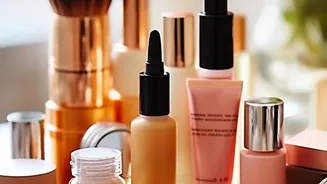
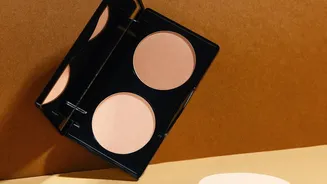
The beauty industry has pivoted to meet this demand, launching a new wave of innovative, skincare-makeup hybrids. Formulas are now lighter, more breathable, and packed with skin-loving ingredients like hyaluronic acid and niacinamide. The market is now filled with skin tints, complexion serums, and lightweight foundations designed to even out skin tone while letting natural texture show through. These products align with the values of modern consumers, who are not only ingredient-savvy but also care about sustainability and brand ethics. They prefer brands that offer transparency, use eco friendly packaging, and reflect a more inclusive and authentic vision of beauty. This has created a new standard where makeup is expected to care for the skin, not just cover it.