



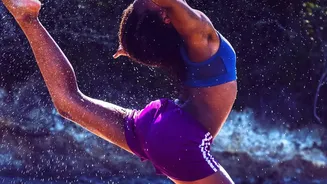
What is a Freestyle Dance Workout?
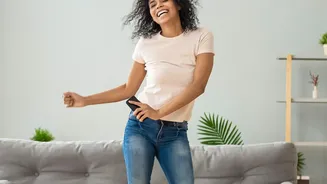
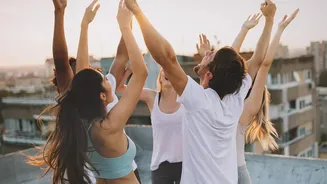
A freestyle dance workout is exactly what it sounds like: a fitness session built on free, unstructured movement. Unlike choreographed routines like Zumba or specific styles like hip-hop, the goal isn't to master specific steps. Instead, it’s about self-expression
through movement, allowing you to move however the music makes you feel. Think of it as a personal dance party where there are no wrong moves. It’s an accessible form of cardio that requires little more than a clear floor space and a speaker. The focus is on continuous, enjoyable movement rather than counting reps, which makes it an excellent option for beginners or anyone who finds traditional exercise routines monotonous.
The Full-Body Fitness Benefits
Don't let the fun fool you; freestyle dancing is a genuinely effective workout. Moving continuously to music elevates your heart rate, providing a strong cardiovascular workout that can improve stamina and endurance. Depending on the intensity, you can burn a significant number of calories, comparable to activities like running or cycling. Dancing engages multiple muscle groups simultaneously—your legs, core, back, and arms all work together. This full-body engagement helps improve muscle tone, strength, balance, and coordination. Because most dance movements are lower-impact than activities like running, it can also be a gentler option for your joints.
A Powerful Boost for Your Mind
The benefits of dancing extend far beyond the physical. The act of moving your body to music is a well-documented mood lifter. Exercise, including dancing, releases endorphins—the body's natural 'feel-good' chemicals—which can help reduce stress and ease feelings of anxiety. Focusing on the music and your movement provides a form of mindfulness, helping to distract from negative thoughts and worries. Studies have shown that regular dancing can improve self-esteem and body confidence as you become more comfortable with your own movements. It’s a creative outlet that allows you to express emotions without words, which can be a powerful form of release.
How to Start Your First Session
Getting started is simple and requires no prior experience. First, prepare your space by clearing a small area of about two-by-two metres, ensuring there are no obstacles you could trip over. Wear comfortable clothes that you can move in easily. Next, create a playlist of songs that make you want to move—anything from Bollywood hits to pop music will work. Start your session with a five-minute warm-up, such as marching in place and gentle shoulder rolls, to get your body ready. When the music starts, just begin to move. Don't judge yourself or worry about what you look like. Try simple movements first, like stepping side-to-side, bending your knees, or rolling your shoulders. Begin with a session of just 15-20 minutes and build up from there as you feel more comfortable. Always end with a cool-down and some light stretching.
Staying Motivated and Making It a Habit
The key to any fitness routine is consistency, and the enjoyment factor of freestyle dance makes it easier to stick with. To stay motivated, keep your playlists fresh with new music that excites you. Focus on how the movement makes you feel rather than on burning a certain number of calories. If you're feeling uninspired, try different genres of music to see how they change your movement style. Aim for two or three sessions a week to start, which helps establish a habit without leading to burnout. Remember, the goal is to create a sustainable and joyful relationship with movement, turning exercise from a task into a celebration.