


The Power of Negative Space
In the world of visual arts and design, this concept is known as negative space. It’s the area around and between the subjects of an image. Far from being an empty void, it’s an active and powerful element that defines what we see. Think of it as the silence
between musical notes; without it, there’s no rhythm, just noise. Negative space guides the viewer's eye, creates balance, and can evoke powerful emotions like calm or tension. A composition packed with detail and little breathing room can feel chaotic and overwhelming, while generous use of space can create a sense of tranquility and focus. This idea was famously championed by architect Ludwig Mies van der Rohe, whose motto "less is more" became a cornerstone of modernism. The philosophy suggests that simplicity and clarity lead to a more profound beauty, stripping away the non-essential to let the core elements shine.
From the Gallery to Your Living Room
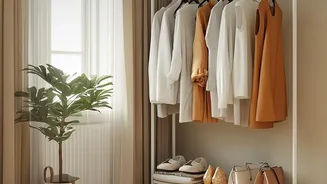
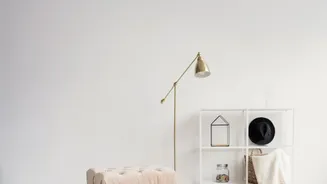
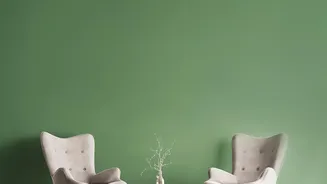
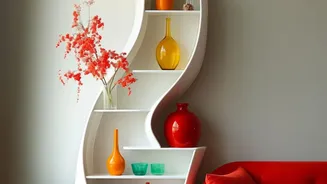
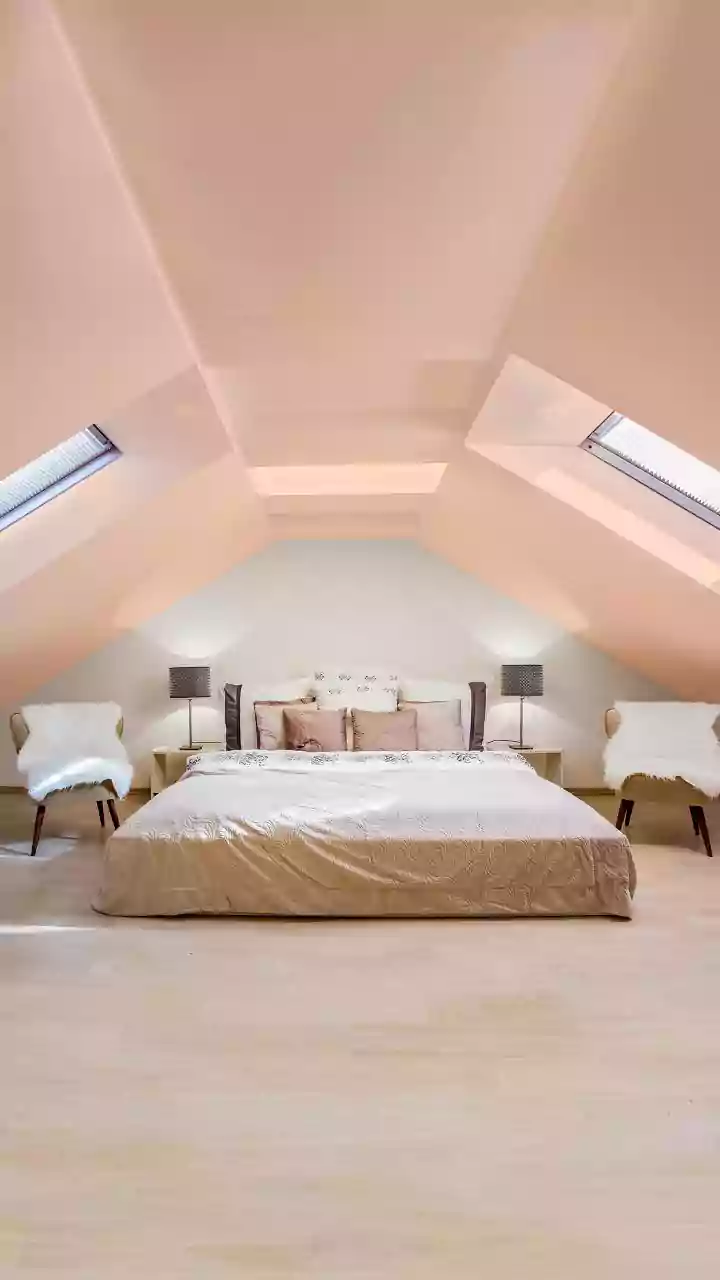
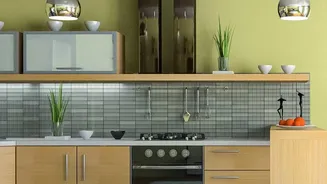
This principle translates directly into creating a more peaceful and impactful home. In interior design, negative space is the breathing room that allows individual pieces of furniture and decor to be appreciated. It’s the empty wall that makes a single painting a focal point, or the clear floor space that makes a room feel open and inviting. Rather than filling every corner and surface, thoughtful interior design uses empty space to prevent a room from feeling cluttered and to direct attention to what truly matters. You can apply this by leaving generous space around a statement piece of furniture, keeping some shelves partially empty, or ensuring there's a clear path for foot traffic. It’s not about owning less, but about arranging what you have with intention, allowing each piece the space it needs to make its statement.
The Japanese Concept of 'Ma'
The Japanese have a concept that captures this idea with even greater philosophical depth: 'Ma' (間). Often translated as a gap, pause, or interval, Ma is not just empty space but a meaningful void. The character itself combines the symbols for “gate” and “sun,” evoking an image of light streaming through a doorway. Ma is the pause in a conversation that allows for reflection, the un-inked part of a calligraphy scroll that gives power to the brushstroke, and the interval in a garden that encourages contemplation. It suggests that the spaces between things are just as important as the things themselves, creating a sense of rhythm and harmony. Ma reminds us that emptiness is not a lack, but a presence that gives shape and meaning to everything around it.
Designing Your Life with Space
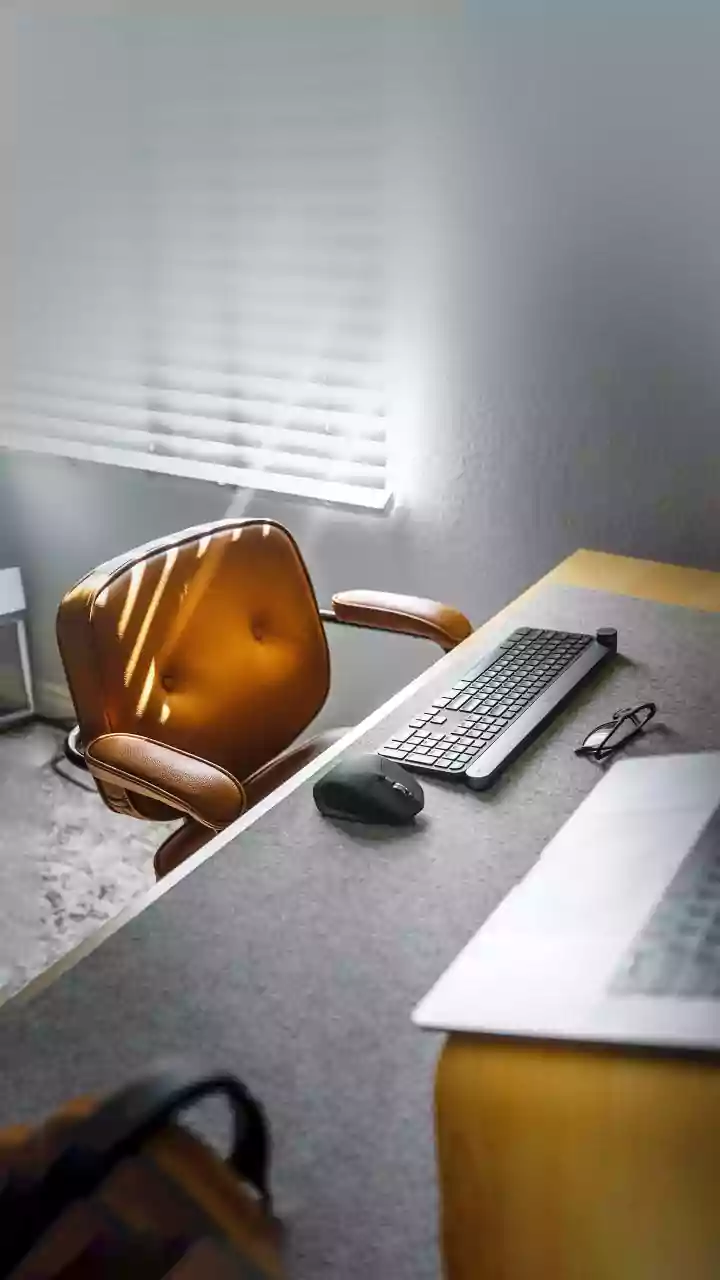
The most powerful application of this principle may be in our own lives. Just as a bold artwork needs a calm frame, our boldest ambitions, projects, and even relationships need mental and emotional space to flourish. A calendar packed back-to-back with meetings and tasks is like a cluttered wall; nothing gets the focus it deserves. A cluttered mind, similarly, struggles to find clarity and creativity. Applying the idea of negative space to your life is about intentionally creating moments of pause. This could mean scheduling blocks of unscheduled time in your week, decluttering your digital workspace to focus on one task, or simply taking a few moments of silence before a difficult conversation. A cluttered office can lead to a cluttered mind, so creating physical space can directly impact productivity and focus. This ‘life design’ approach encourages us to step back, look at the big picture, and consciously decide where to place our focus.