

Why Your City View Won't Cut It
Living in a bustling Indian city means access to almost everything, except a dark night sky. The culprit is light pollution, the combined glow from streetlights, buildings, and homes that creates a bright haze, washing out all but the brightest celestial
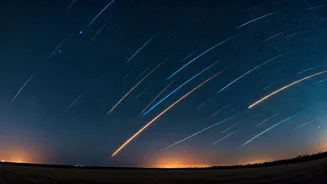
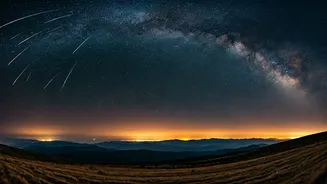
objects. An estimated 80% of the world's population lives under light-polluted skies. For meteor showers, which are often made of faint, fleeting streaks of light, this urban glow is a showstopper. You might catch an exceptionally bright fireball, but the gentle, steady rain of shooting stars will be completely invisible. To truly experience a meteor shower, you need to make a temporary escape.
India's Summer and Monsoon Sky-Shows
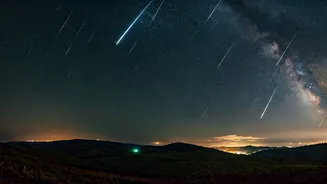
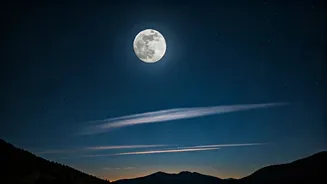
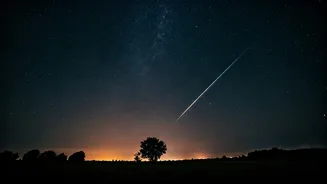
July and August are prime time for meteor watchers. The Southern Delta Aquariids, peaking around July 29-30, 2026, offer a steady stream of meteors, though this year a bright full moon will make viewing challenging. Your best bet for the Aquariids is to try watching in the week before the peak, when skies will be darker. The main event is the Perseid meteor shower, one of the best of the year, which peaks on the nights of August 12-13, 2026. The Perseids are famous for producing up to 100 fast, bright meteors per hour. The best part for 2026 is that the peak coincides with a new moon, promising perfectly dark skies for the show. The only catch for Indian viewers is the monsoon, which can bring heavy cloud cover.
The Great Escape: Finding Your Dark Spot
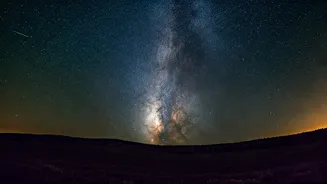
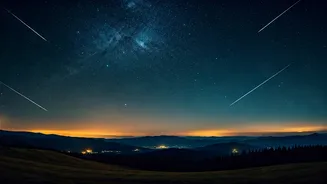
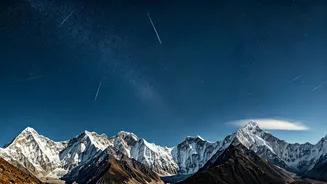
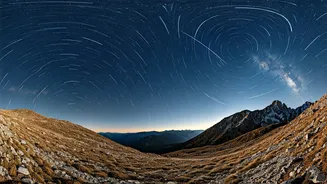
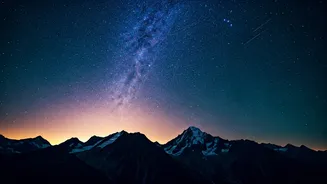
You don't need to travel to the Himalayas to find darkness, though places like Spiti Valley and Hanle in Ladakh are world-class stargazing sites. For most city dwellers, a good viewing spot is surprisingly close. The goal is to get away from the direct glow of the city. A drive of just 50-100 kilometres can make a massive difference. Look for state parks, hill stations, remote farmland, or the shores of a lake. Locations near Mumbai and Pune like Bhandardara, Pawna, and Velhe are popular for this reason. Near Delhi, the Aravalli hills or the countryside around Sariska offer good options. Use a free light pollution map online (like lightpollutionmap.info) to scout for 'Bortle Class 4' or lower areas, which indicate darker skies.
Timing Is Everything
Successful meteor watching is a game of timing. First, check the moon phase. A bright moon can be just as bad as city lights. As mentioned, the 2026 Perseids are perfect because of the new moon. Second, check the weather forecast obsessively. Monsoon clouds are the biggest obstacle in India during August. Finally, know the best time of night. While some meteors can be seen from 10 PM onwards, the best action is usually between midnight and 4 AM. This is when your location on Earth is facing directly into the meteor stream, like driving a car into rain.
Pack for Comfort and Patience
You don't need a telescope or binoculars; your eyes are the best tool for the job. What you do need is comfort. Meteor watching involves a lot of waiting, so pack accordingly. Bring a blanket, reclining chairs, or a yoga mat to lie on so you don't strain your neck. Even in summer, nights can get cool, so layers of clothing are a good idea. Pack snacks and a warm beverage. Most importantly, manage your light. Use a red-light torch if you need to see, as red light doesn't spoil your night vision. And put your phone away. The bright screen will ruin your eyes' dark adaptation, which takes a full 20-30 minutes to achieve.
Mastering the Art of Looking Up
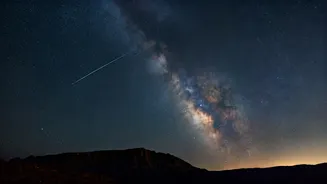
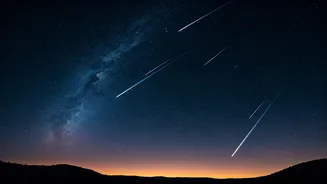
Once you've found your dark spot and settled in, the last step is simply to be patient. Let your eyes fully adjust to the darkness for at least 20 minutes. Don't stare at the 'radiant'—the point in the sky where the meteors seem to originate. Instead, lie back and look at a wide patch of sky. Meteors can appear anywhere, and the ones further from the radiant often have longer, more dramatic trails. Don't expect a constant fireworks display. You might see a few meteors in a minute, then nothing for several minutes. Relax, enjoy the quiet, and let the cosmic show unfold at its own pace.