




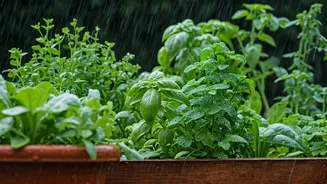


The Science of a Rain Shower
Before we get to the plants, it's worth understanding why rainwater is often called 'liquid gold' by gardeners. Unlike tap water, which is typically treated with chlorine and fluoride and can be alkaline (high pH), rainwater is naturally soft, slightly
acidic, and free of these chemicals. This slight acidity helps plants absorb nutrients more efficiently from the soil. Furthermore, as rain falls, it collects nitrogen from the atmosphere—a vital nutrient that fuels lush, green growth. This combination of purity, pH, and free fertiliser makes it the perfect beverage for many species.
1. Acid-Loving Beauties
Plants like azaleas, rhododendrons, camellias, and blueberries are known as ericaceous, or acid-loving, plants. They evolved to thrive in soil with a low pH. Using alkaline tap water over time can slowly raise the soil's pH, leading to a condition called chlorosis, where leaves turn yellow because the plant can't access iron and other micronutrients. Rainwater, being naturally acidic, helps maintain the low-pH environment these plants crave, resulting in deeper green leaves and more vibrant blooms. If you grow these in pots, letting them enjoy the rain is one of the best things you can do.
2. Delicate Ferns
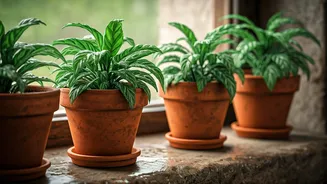
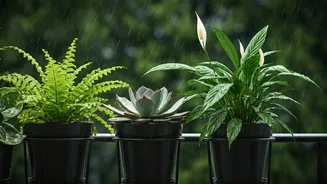
Ferns, especially popular indoor varieties like the Boston fern and Maidenhair fern, evoke images of lush, damp forest floors. In their native habitats, they receive plenty of rainwater. They are particularly sensitive to the salts and chemicals found in treated tap water, which can accumulate in the soil and cause their delicate fronds to develop brown, crispy tips. Rainwater flushes out these excess salts and provides the clean, pure hydration these ancient plants are accustomed to, keeping them green and graceful.
3. Elegant Orchids
Most cultivated orchids are epiphytes, meaning they naturally grow on other plants, like tree bark, rather than in soil. Their roots are designed to absorb moisture and nutrients from the air and rain. Tap water contains minerals and salts that can build up on their sensitive, exposed roots, potentially damaging or 'burning' them over time. Rainwater is free of these dissolved solids, mimicking the gentle, pure water they would receive in a tropical canopy. Watering orchids with rainwater can lead to healthier roots and more consistent flowering.
4. Carnivorous Plants
This is the one group for which rainwater isn't just a preference—it's practically a necessity. Carnivorous plants like Venus flytraps, pitcher plants, and sundews evolved in nutrient-poor, boggy environments. They get their nutrients from the insects they trap, not from the soil. The minerals and additives in tap water are toxic to their root systems, which are not adapted to process them. Using tap water can quickly kill a carnivorous plant. For these fascinating specimens, rainwater (or distilled water) is the only safe option.
5. Tropical Houseplants with Fussy Leaves
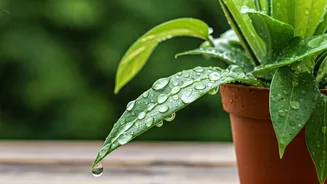
Have you ever noticed brown, crispy edges on the leaves of your Calathea, Maranta (prayer plant), or Spider Plant? The culprit is often the fluoride, chlorine, and salts in your tap water. These tropical foliage plants are highly sensitive to chemical buildup. A regular 'shower' in the rain not only waters them but also washes dust off their leaves, improving their ability to photosynthesise. The purity of rainwater prevents the accumulation of minerals that cause leaf-tip burn, keeping their stunning foliage looking its best.