





The Immediate Onslaught
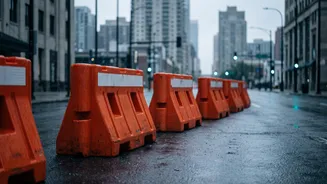
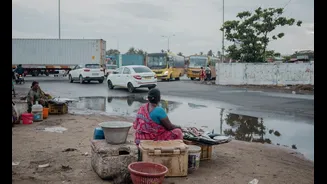
The moment heavy rain begins, Chennai's arterial roads transform. Key thoroughfares like Old Mahabalipuram Road (OMR), Anna Salai, and the Velachery-Tambaram road become slow-moving parking lots. Within an hour, low-lying areas start to flood, causing
vehicles to stall and creating choke points that ripple through the city's traffic network. Office-goers are often the hardest hit, with journeys that normally take minutes stretching into hours. The chaos is predictable yet unavoidable, as thousands of vehicles are funnelled into narrowing, waterlogged lanes, sometimes forcing desperate drivers to move against traffic, worsening the gridlock.
Why The City Submerges
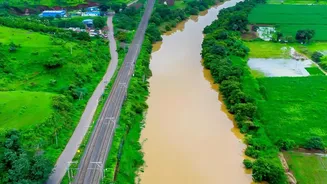
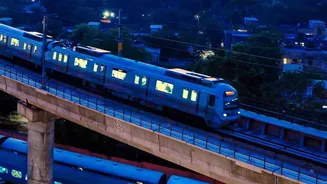
Chennai's flooding is not just a result of heavy rain but a complex infrastructural problem. Historically a floodplain with numerous lakes and wetlands, the city's rapid, often unplanned, urbanisation has come at a cost. Many of these natural water bodies and marshlands, which acted as sponges, have been encroached upon or built over, reducing the city's capacity to absorb rainwater. The Pallikaranai wetland, a key flood mitigator for South Chennai, has shrunk dramatically over the decades. This, combined with an ageing and often clogged stormwater drain system, means there's simply nowhere for the water to go. Ongoing construction for projects like the Chennai Metro can also exacerbate the problem by creating new bottlenecks and diversions on already stressed roads.
The Notorious Hotspots
Certain areas are infamous for bearing the brunt of the monsoon. Low-lying southern and western suburbs like Velachery, Madipakkam, Perungudi, and Thoraipakkam are consistently among the worst affected, with water levels rising to knee-deep and residents sometimes needing boats to get around. In North Chennai, areas like Vyasarpadi and Thiruvotriyur also face severe inundation, sometimes worsened by overflowing canals mixing with sewage. Central locations are not immune either; T. Nagar has historically faced severe flooding, while incomplete drain works on major roads like Arcot Road and Bricklin Road cause significant, prolonged congestion as soon as it rains.
The Hidden Costs of a Wet Commute
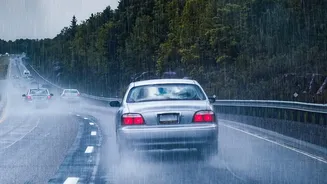
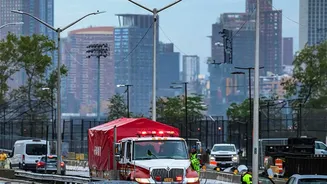
The impact goes far beyond being late for work. Pothole-ridden roads, concealed by muddy water, become a serious hazard for all vehicles, especially two-wheelers. The risk of vehicle damage from hydroplaning or a seized engine is high. There are also significant safety concerns, from the danger of falling trees and branches to the life-threatening risk of open manholes and electrocution from submerged electrical boxes. These disruptions also hinder emergency services, making it difficult for ambulances to navigate the gridlock, and take a toll on the mental well-being of commuters facing daily uncertainty.
Navigating The Monsoon Maze
Authorities are taking steps to manage the annual crisis. Ahead of the monsoon, the Greater Chennai Corporation (GCC) focuses on desilting stormwater drains, identifying vulnerable locations, and readying hundreds of high-powered pumps to clear water from subways and low-lying areas. During heavy spells, the Greater Chennai Traffic Police issue advisories and create diversions. For commuters, staying informed is key. The GCC's 'Namma Chennai' app and social media channels provide updates, while mapping services offer real-time traffic data. Simple precautions, like ensuring your vehicle is in good condition, avoiding speeding on wet roads, and having emergency numbers saved, can make a significant difference.