





The Magic of Golden Hour
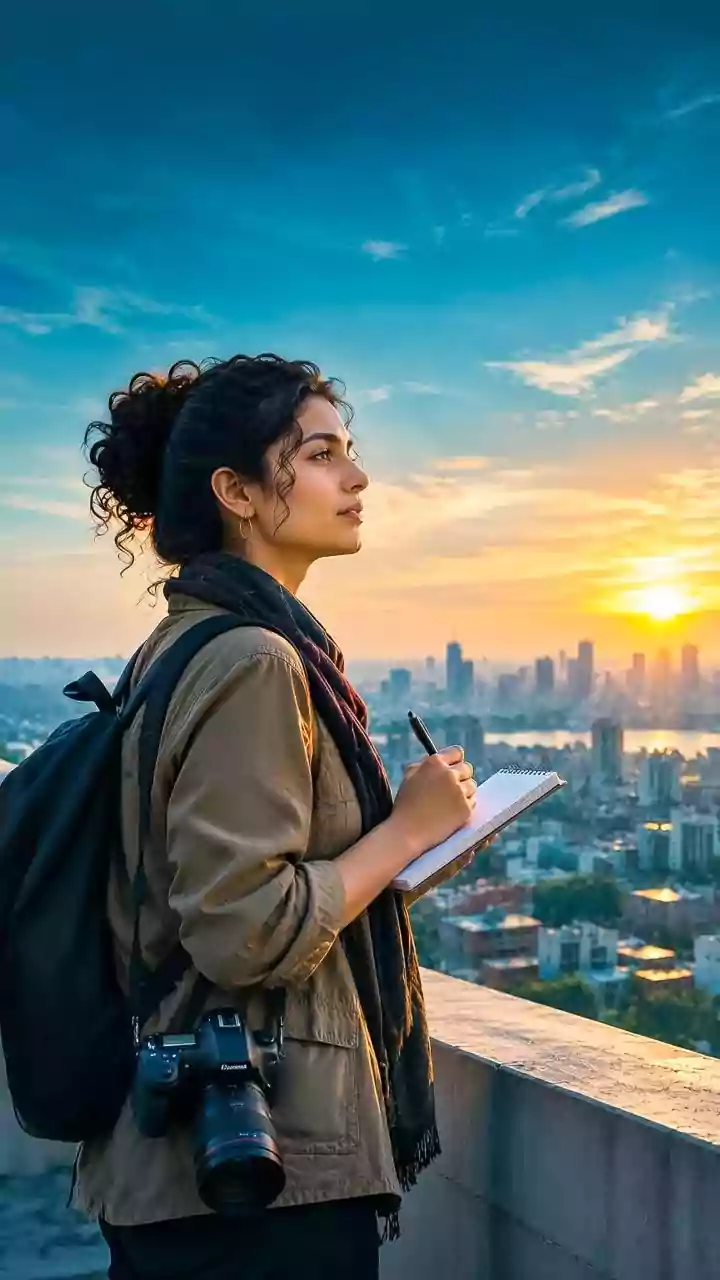
Photographers rave about the 'golden hour' for a reason. This is the period shortly after sunrise and before sunset when the sun is low on the horizon, casting a warm, reddish glow over the landscape. This light is soft and diffused, which means it creates
long, flattering shadows and minimizes harsh contrast. It’s perfect for capturing dramatic landscapes, gorgeous portraits with a warm halo of light, and creating beautiful silhouettes against the colourful sky. To make the most of it, plan to be at your chosen location about an hour before sunset or just as the sun rises. Using a 'Cloudy' or 'Shade' white balance setting on your camera can further enhance the warm tones.
The Serenity of Blue Hour
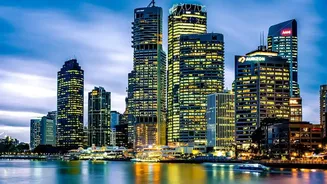
Don't pack up your gear as soon as the sun disappears. The period just before sunrise and right after sunset is known as the 'blue hour'. During this time, the sky takes on a deep, rich blue hue, creating a tranquil and sometimes magical mood. This cool, even light is fantastic for cityscapes, where building lights begin to twinkle against the twilight sky, and for landscapes that feel serene and mysterious. Since the light is low, you will likely need to use a tripod to keep your shots steady and avoid blur, especially if you're using a slower shutter speed to soak in all the ambient light.
Taming the Midday Sun
Shooting in the middle of the day is often unavoidable when travelling, but the high, direct sun can create unflattering, hard shadows. While many photographers avoid this light, you can learn to work with it. One strategy is to find open shade, like under a tree or an awning, which provides softer, more even light. You can also embrace the high contrast. Look for interesting patterns of light and shadow on buildings or streets. Another technique is to shoot with the sun behind your subject. This can create a beautiful 'rim light' or halo effect, but you may need to expose for your subject's face to avoid them becoming a dark silhouette. Slightly underexposing the entire scene can help you retain detail in the bright highlights, which is easier to correct later than recovering completely 'blown out' white areas.
Embracing Overcast Skies
A cloudy day might seem disappointing, but it's a hidden gem for photographers. The cloud cover acts like a giant softbox, diffusing the sunlight and creating incredibly soft, even light. This lighting is perfect for portraits because it's flattering on skin and eliminates harsh shadows and squinting. It also makes colours appear more saturated and vibrant because they aren't washed out by intense sunlight. The key on an overcast day is to avoid including large, boring white or grey skies in your frame. Instead, focus on intimate scenes, details, and subjects where the soft light can bring out texture and colour without distraction. If your images feel a bit flat, they can often be enhanced with a slight contrast boost during editing.