



The Familiar Frenzy of Hill Holidays
For decades, the Indian summer vacation has been synonymous with a frantic escape to the mountains. As temperatures rise in the plains, a mass exodus begins, with cars and buses funnelling into the narrow roads leading to popular destinations like Shimla,
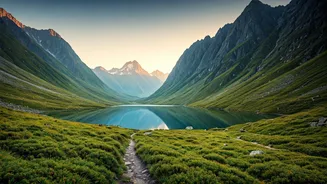
Manali, and Nainital. This annual rush, however, often trades city heat for mountain madness. Recent summer seasons have seen traffic jams stretching for kilometres, with journeys that should take hours turning into day-long ordeals. Reports from May and June 2026 highlighted extreme congestion, with thousands of vehicles overwhelming the limited infrastructure of these fragile ecosystems. Beyond the traffic, the experience on the ground can be just as stressful: overbooked hotels, crowded Mall Roads, and a constant hustle that defeats the purpose of a relaxing getaway. This phenomenon of 'overtourism' is placing immense pressure on local resources, from water supply to waste management, turning idyllic retreats into stressed-out hotspots.
A Renaissance on the Rails
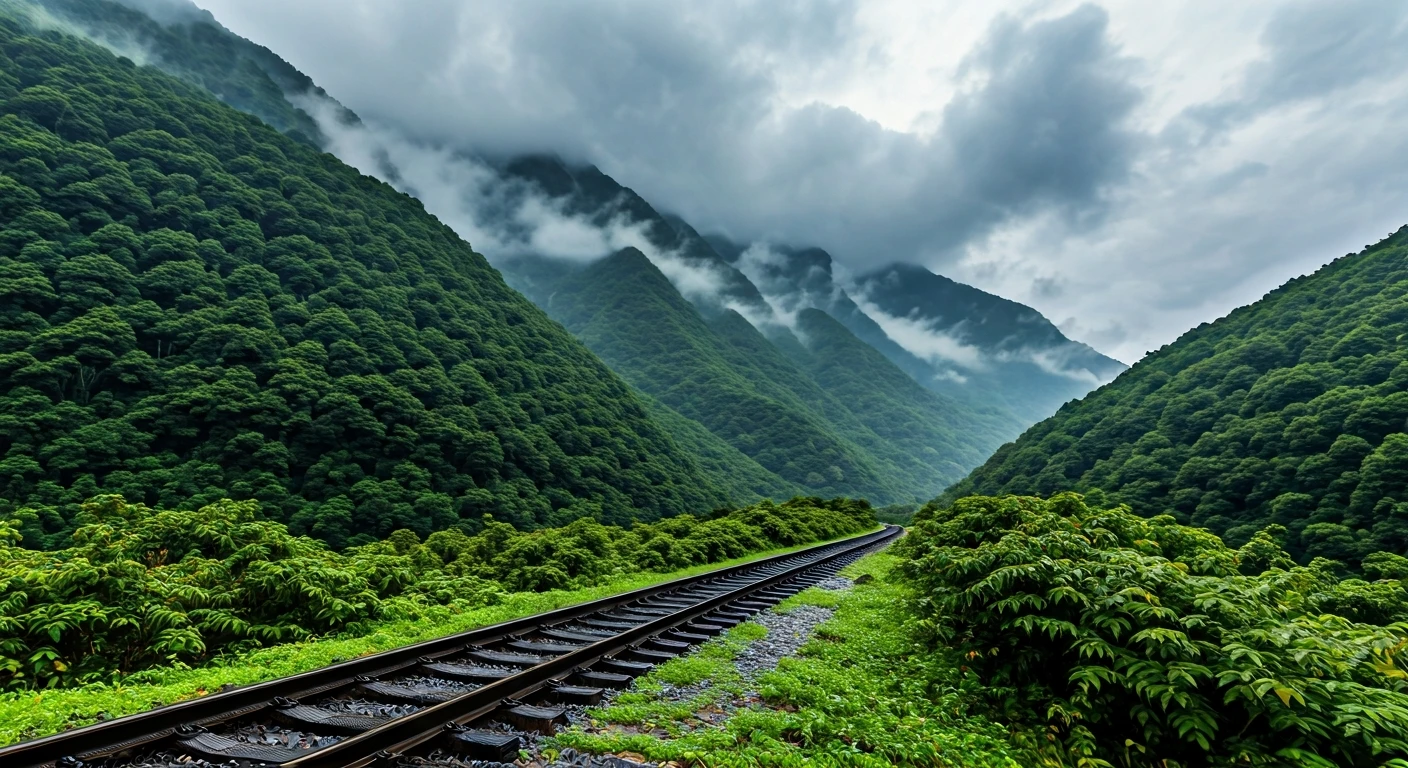
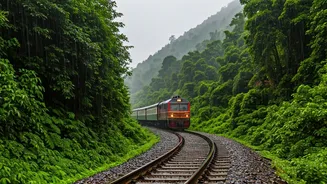
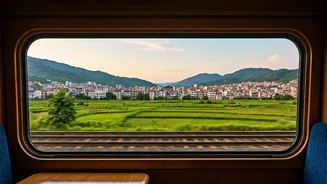
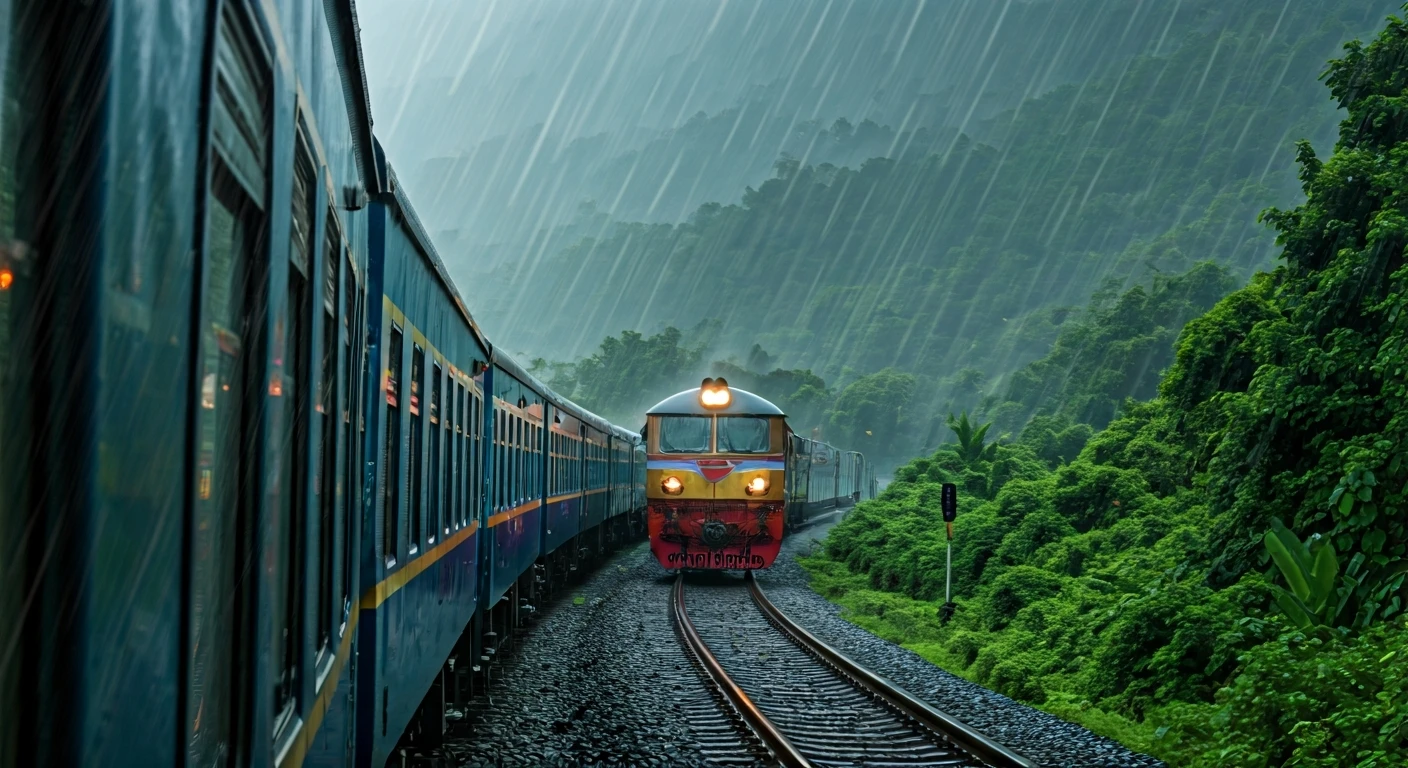
In stark contrast to the chaos on the highways, a quieter, more comfortable travel revolution is taking place on India's railway network. Indian Railways is undergoing a significant transformation, with new-generation trains like the Vande Bharat Express leading the charge. These services offer a level of comfort, speed, and cleanliness that is changing perceptions of train travel. The appeal isn't just about premium services; it's about the experience itself. A train journey allows travellers to unwind, watch the landscape change, and enjoy the ride as part of the vacation. To manage the seasonal demand, Indian Railways approved a massive 908 special train services for the summer of 2026, operating over 18,000 trips to ensure smoother travel. This expansion in capacity and quality is making rail an increasingly attractive alternative to the unpredictability of road travel.
Exploring the Heart of India
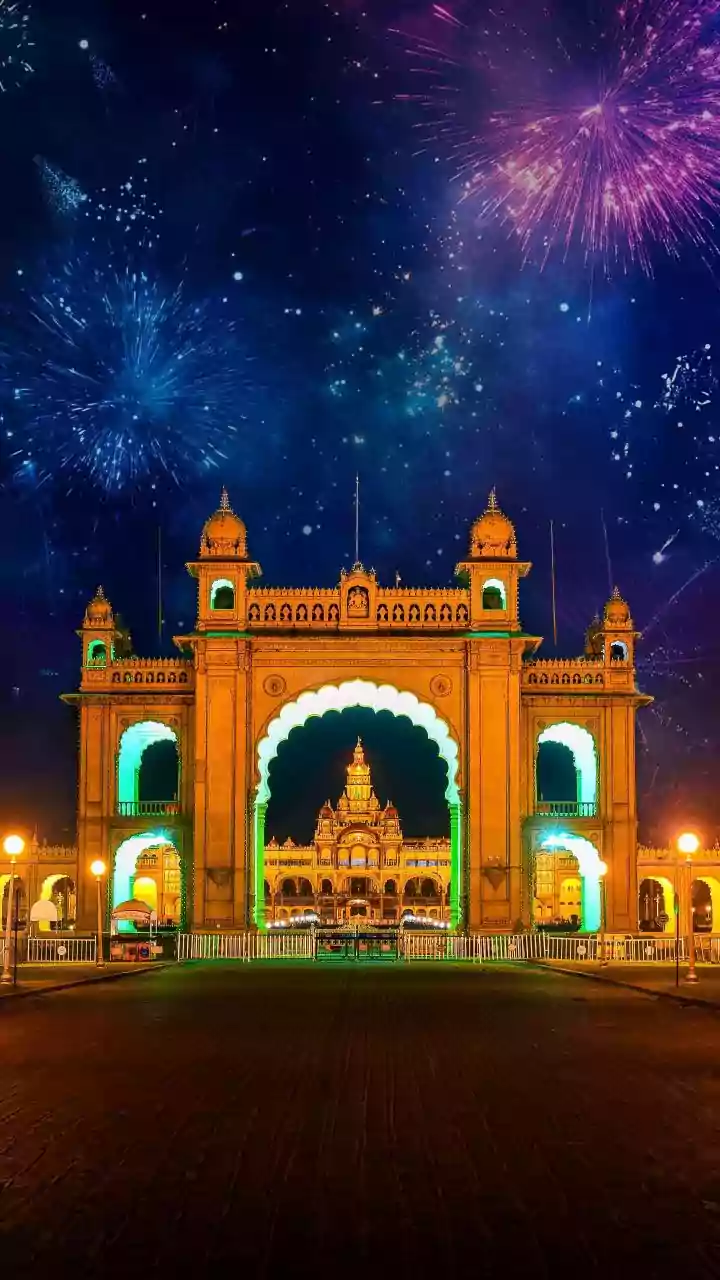
The improved rail network is not just connecting major metros; it's opening up a new map of travel destinations. Travellers are now using the train to explore smaller, culturally rich cities that were often overlooked. Instead of heading to an overcrowded hill station, a family might take a comfortable Vande Bharat train to Mysuru to explore its palaces, or to Veraval, the gateway to the Somnath Temple. The network now offers scenic and affordable routes connecting cities like Madgaon in Goa to Mangaluru, or Chennai to Coimbatore, which serves as a base for exploring the less-crowded Nilgiri hills. Destinations like the temple city of Varanasi, the desert forts of Jaisalmer, and the serene backwaters of Kerala are all becoming prime targets for this new wave of rail tourism. This shift allows for a more diverse and authentic travel experience, moving beyond the handful of traditional holiday spots.
Why the Switch Is Gaining Speed
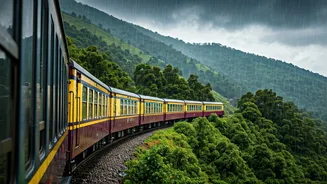
The growing preference for rail travel is driven by a combination of push and pull factors. The 'push' comes from the increasing frustration with overcrowded tourist traps. Many travellers are actively seeking quieter, more meaningful holidays. The 'pull' is the enhanced offering from Indian Railways. The affordability of train travel compared to fluctuating airfares during peak seasons is a major advantage for families and budget-conscious travellers. Furthermore, the journey itself has become a selling point, with routes like the Konkan Railway or the historic Kalka-Shimla line offering spectacular views that are an attraction in their own right. The government's focus on initiatives like 'Dekho Apna Desh' and the expansion of themed tourist circuits are also encouraging people to explore the breadth of the country by rail. It marks a move towards slower, more intentional travel where the journey is cherished as much as the destination.