







More Than a Meal, a Conversation
First, let's decode the term. ‘Omakase’ is a Japanese phrase that translates to ‘I’ll leave it up to you.’ It’s an intimate dining experience where you surrender your choices to the chef. Instead of picking from a menu, you are served a series of small,
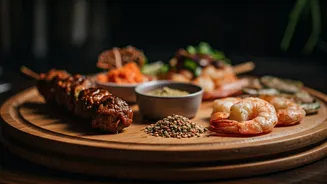
exquisite dishes curated entirely by the chef based on the freshest seasonal ingredients available. Traditionally, this format is a showcase for premium seafood—slices of fatty tuna, glistening sea urchin, and delicate snapper. The chef stands before a handful of diners, explaining each course as it is prepared. It’s a performance, a dialogue, and a meal all in one.
India's Palate Meets Japanese Precision
So, how did this fish-forward tradition find a thriving, vegetarian-only audience in India? The answer lies at the intersection of several powerful trends. India has one of the world's largest vegetarian populations, and a growing number of urban Indians are adopting flexitarian or plant-based diets. They are adventurous diners, eager to explore global cuisines but often find their options limited, especially in fine-dining contexts that prize meat and seafood. The vegetarian omakase elegantly solves this problem. It takes a globally respected culinary format and tailors it to local sensibilities without compromising on artistry or flavour. It’s not an afterthought; it’s the main event.
The Art of Elevating the Vegetable
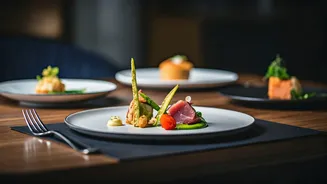
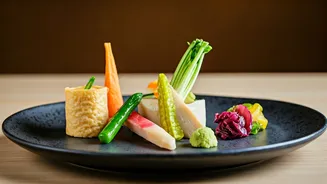
Creating a compelling vegetarian omakase is a formidable creative challenge. Without the crutch of high-quality fish, chefs must coax complex, umami-rich flavours from the plant kingdom. This is where true culinary innovation shines. You might find asparagus spears lightly grilled over binchotan charcoal and brushed with truffle-infused soy. A slice of avocado might be lightly torched and placed atop perfectly vinegared rice to mimic the texture of fatty tuna. Mushrooms, from shiitake to enoki, are stars, often aged, pickled, or simmered to deepen their earthy notes. Chefs are using techniques like curing, smoking, and fermenting to transform humble ingredients like tomatoes, corn, and eggplant into bites that are as surprising and satisfying as any seafood nigiri. The result is a multi-course journey that celebrates texture, seasonality, and the untapped potential of vegetables.
A Metro-Centric Phenomenon
This trend is currently concentrated in the fine-dining spaces of India's metropolitan hubs. In Delhi, restaurants like Megu at The Leela Palace have been lauded for their dedicated vegetarian omakase menus. In Mumbai, celebrated chef Rahul Akerkar's restaurant Masque has explored avant-garde vegetarian tasting menus, while Japanese hotspots like Izumi and Mizu offer sophisticated plant-based omakase experiences. Similarly, Bengaluru’s burgeoning food scene features establishments that are embracing the challenge, crafting menus that put local and seasonal produce at the forefront of a Japanese culinary narrative. It’s a testament to a maturing market where diners are willing to pay a premium not just for food, but for a unique, chef-driven experience.
The Experience is the Main Course
Ultimately, the rise of the vegetarian omakase is about more than just food. It’s part of a larger shift towards 'experiential dining.' Modern diners, especially millennials and Gen Z, crave memorable experiences over simple transactions. They want to know the story behind their food, understand the chef’s philosophy, and feel a sense of connection. The omakase counter provides the perfect stage for this. It's interactive, educational, and highly Instagrammable. The chef is no longer a hidden figure in the kitchen but the host and storyteller of the evening, making the meal an engaging and personal affair. For many, it's the ultimate expression of culinary trust and appreciation.