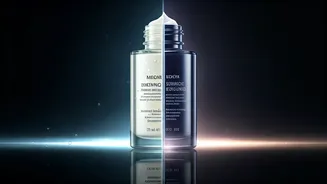









The Skin's 24-Hour Clock
Your skin operates on an internal clock known as a circadian rhythm. During the day, it’s in “defence mode,” working hard to shield itself from environmental stressors like UV rays, pollution, and dirt. At night, it switches into “repair mode.” While
you sleep, your skin works to regenerate cells, repair DNA damage, boost collagen production, and replenish lost moisture. Understanding this fundamental difference is the key to creating a routine that gives your skin what it needs when it needs it most, ensuring products are most effective.
Morning Mission: Protect and Preserve
The primary goal of your morning skincare routine is simple: protection. Think of it as putting on armour before heading into battle. You need to hydrate the skin, support its natural barrier, and, most importantly, shield it from the sun. A consistent morning routine prepares your skin for the day and defends against the factors that cause premature ageing, like fine lines and dark spots.
Key Steps for Your AM Routine
A strong morning routine doesn't need to be complicated. Start with a gentle cleanser to wash away any oils and product residue from the night. Follow this with a lightweight antioxidant serum. Ingredients like Vitamin C are invaluable in the morning, as they help neutralise free radicals from sun and pollution. Next, apply a moisturiser to hydrate and create a smooth base. The final, non-negotiable step is a broad-spectrum sunscreen with at least SPF 30. This is your single most important tool against sun damage and premature ageing.
Nightly Task: Repair and Regenerate
When the sun goes down, your skin’s second job begins. The focus of your evening routine should be on cleansing the day away and providing targeted treatments to aid the natural repair process. At night, your skin is more permeable, meaning it can lose more moisture but is also more receptive to active ingredients. This makes it the ideal time to use products that promote cell turnover, boost hydration, and address specific concerns like acne or pigmentation.
Essential Steps for Your PM Routine
Start by thoroughly cleansing to remove makeup, sunscreen, and the day's grime; a double-cleanse using an oil-based cleanser followed by a water-based one is highly effective. This is the time to bring in the heavy hitters. Apply treatment serums with active ingredients that are best used away from sunlight. Retinol is a star player for night routines, as it stimulates collagen and accelerates cell renewal to improve texture and fine lines. Other powerful ingredients include exfoliating acids (like glycolic or salicylic acid), peptides for firming, and hyaluronic acid for deep hydration. Finish with a richer night cream or moisturiser to lock everything in and support the skin’s barrier, as the skin can lose more water overnight.
Aligning Products with Purpose
Using the wrong product at the wrong time can be ineffective or even counterproductive. Applying retinol or exfoliating acids in the morning can increase sun sensitivity, while a heavy night cream might feel greasy during the day and interfere with makeup. Conversely, wearing an antioxidant serum to bed is a missed opportunity for repair-focused ingredients. While you can use the same gentle cleanser and a basic hydrator like hyaluronic acid in both routines, your treatment serums and final moisturiser should be tailored to the distinct goals of protection by day and regeneration by night. By respecting your skin's natural rhythm, you can create a smarter, more effective skincare strategy.