






Peak Flavour and Freshness
There’s an undeniable difference in taste between a vegetable picked at its natural peak and one that has travelled thousands of miles. Seasonal ingredients are harvested when they are perfectly ripe, resulting in food that is more vibrant, aromatic,
and full of flavour. A carrot pulled from the ground in October is crisp and sweet, a world apart from a pale, less flavourful version available year-round. This is because produce grown in its natural season and environment develops its full taste potential. Out-of-season produce is often harvested early to withstand long transport times and may be artificially ripened, which compromises its texture and taste. By choosing what's in season, you are choosing food as it was meant to be tasted.
A Boost in Nutritional Value
When fruits and vegetables are allowed to ripen naturally in their proper season, they are packed with more nutrients. Studies show that seasonal produce often contains higher levels of vitamins, minerals, and antioxidants compared to its out-of-season counterparts. For example, the Vitamin C content in a freshly harvested vegetable can be significantly higher than in one that has been in cold storage for weeks or months. The journey from farm to plate is shorter for seasonal, local produce, meaning less time for precious nutrients to degrade during transit and storage. October, as a transitional month from monsoon to winter, offers produce that helps bolster immunity and prepare the body for the changing weather.
What’s on the Plate in October?
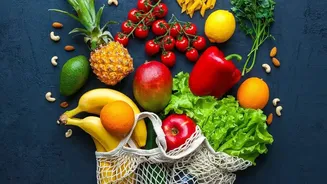
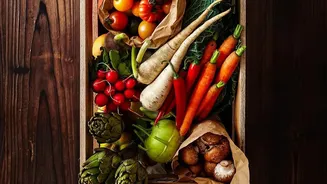
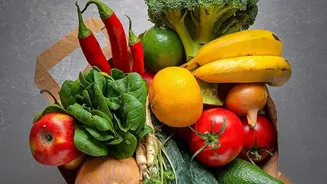
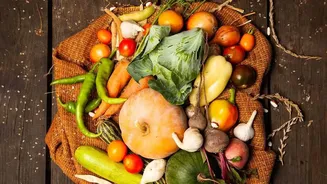
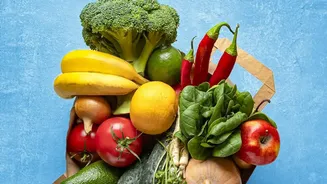
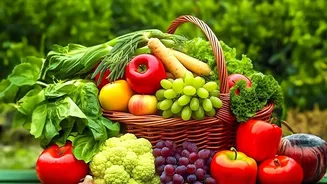
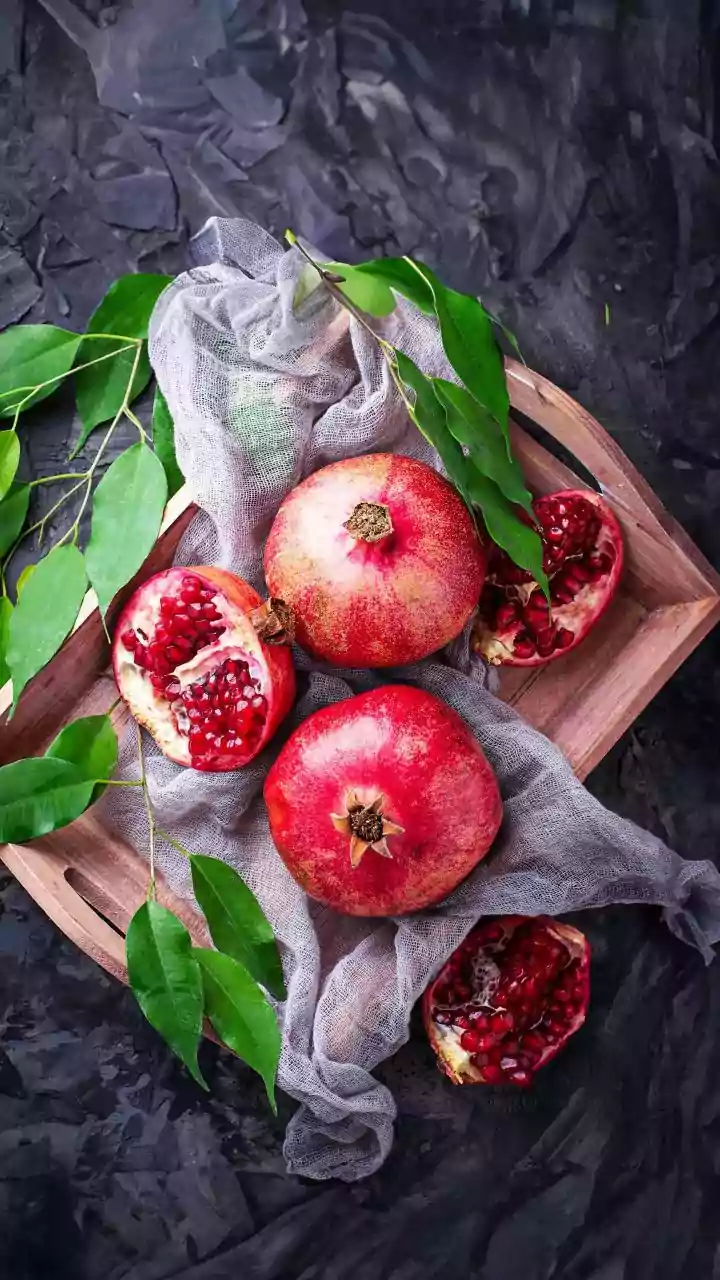
In India, October brings a wonderful mix of late monsoon and early winter produce. Your local markets will be brimming with fresh vegetables like spinach (palak), cauliflower (gobi), carrots (gajar), radish (mooli), and sweet potatoes (shakarkandi). It's the perfect time for hearty greens and root vegetables. On the fruit front, look for juicy pomegranates (anaar), custard apples (sitaphal), pears (nashpati), and guavas (amrood). Embracing this variety not only makes your meals more interesting but also ensures you are getting a wide array of nutrients that your body needs during this specific time of year.
Kinder to Your Wallet
The simple law of supply and demand makes seasonal eating more economical. When a particular fruit or vegetable is in season, it is abundant, and farmers harvest it in large quantities. This increased supply naturally leads to lower prices at the market. Conversely, when you buy produce out of season, you are paying for the costs of long-distance transportation, refrigeration, and artificial growing conditions, which drives the price up. By planning your meals around seasonal availability, you can significantly reduce your grocery bills without compromising on quality or freshness. Simply look for what is piled highest and priced lowest at your local vegetable vendor.
Good for the Planet
Choosing seasonal ingredients, especially those sourced locally, has significant environmental benefits. It drastically reduces “food miles”—the distance your food travels from the farm to your table. This reduction in transportation lowers greenhouse gas emissions and your carbon footprint. Furthermore, out-of-season produce often requires energy-intensive greenhouses, artificial lighting, and more chemical treatments to grow. Eating seasonally supports farmers who use more sustainable practices that align with natural ecological cycles, helping to conserve water, protect soil health, and promote biodiversity.