



More Than Just a Pretty Beach
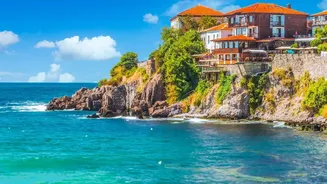
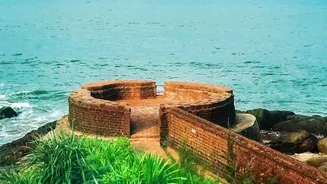
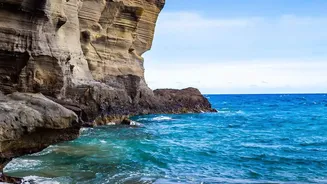
For years, Varkala was known as a tranquil spiritual town with its iconic Papanasam Beach, where pilgrims believe a dip can wash away sins. But its most defining feature is the unique red laterite cliff that hugs the coastline, a geological rarity in India.
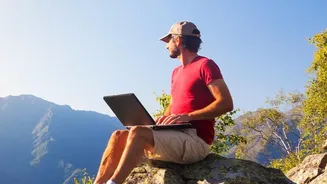
This cliff is the epicentre of a new movement. It’s no longer just a destination for backpackers and yogis; it has quietly emerged as a haven for those who work online. Unlike the crowded party scenes of Goa, Varkala offers a more relaxed, bohemian vibe that appeals to writers, designers, developers, and other creative professionals seeking both focus and inspiration.
The Rise of Cliffside Co-Living
The engine driving this trend is the emergence of co-living and co-working spaces tailored for the remote worker. Hostels and guesthouses are adapting, offering more than just a bed for the night. They now provide the essential toolkit for the modern professional: reliable high-speed Wi-Fi, power backup systems to combat unexpected outages, dedicated work areas, and, most importantly, a ready-made community. Properties like Zostel and a growing number of independent homestays and hostels specifically market themselves as 'workation' hubs, offering weekly and monthly packages that combine accommodation with a productive environment.
Decoding the 'Budget-Friendly' Appeal
Varkala’s primary allure is its affordability. For what one might pay for a few weeks of rent in a major metro city, creators can secure a month-long package here. Monthly costs for a comfortable digital nomad lifestyle can range from ₹35,000 to ₹50,000, covering accommodation, food, and other basic expenses. A private room in a hostel or guesthouse can be found for around ₹25,000 to ₹45,000 per month, with options to lower costs by opting for dorms or negotiating longer stays. Food is equally budget-friendly, with a mix of home-cooking and eating at local restaurants keeping monthly expenses manageable.
Community, Creativity, and Connectivity
While the low cost gets them there, it's the community that makes them stay. The co-living setup naturally fosters connections among residents who share a similar lifestyle. These spaces become melting pots of different professions and nationalities, leading to collaborations, skill-sharing, and genuine friendships. The day is often structured around focused work blocks in the morning, followed by afternoons spent surfing, exploring cafes, or simply watching the sunset from the cliff. This balance of productivity and leisure is a core part of Varkala's appeal, helping to prevent the burnout common in traditional work environments.
The Practical Realities of Paradise
Of course, life on the cliff is not without its challenges. While Wi-Fi has improved significantly, with average speeds between 10-30 Mbps in cafes, it can still be inconsistent during peak hours or bad weather. Most seasoned nomads advise having a mobile data plan with a provider like Jio or Airtel as a reliable backup. The monsoon season, from June to August, brings dramatic weather that can be both cozy and disruptive. However, many co-living spaces now have power backup to ensure work is not interrupted. For those considering the move, the best strategy is often to book a short-term stay initially and then explore longer-term options in person to find the perfect fit.