







The Timeless Favourite: Makhana (Fox Nuts)
Makhana, or fox nuts, are the popped seeds of the lotus plant and have been a beloved snack in India for centuries. Their biggest advantage is their low calorie and fat content. A 100-gram serving of plain roasted makhana contains around 347 calories,
but boasts a significant 9.7 grams of protein and 14.5 grams of dietary fibre. This high-fibre, high-protein combination makes them incredibly filling, helping to prevent overeating. Their low glycemic index also means they release energy slowly, preventing the blood sugar spikes associated with many processed snacks. Furthermore, makhana is a good source of essential minerals like magnesium, potassium, and calcium, which support heart and bone health. The main watch-out with makhana is how it's prepared. While plain roasted makhana is a stellar choice, commercially available flavoured versions are often roasted in oil and loaded with sodium, which can negate many of their health benefits.
Nature's Powerhouse: Nuts
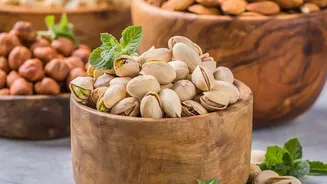
Nuts like almonds and walnuts are nutritional powerhouses. They are rich in healthy monounsaturated fats, protein, and fibre. A 30-gram serving of almonds, roughly 20-23 nuts, contains about 160-174 calories, 6 grams of protein, and nearly 4 grams of fibre. This combination promotes a feeling of fullness, making them an excellent snack for appetite control. Nuts are also packed with micronutrients; almonds, for instance, are a fantastic source of Vitamin E, an antioxidant that protects cells from damage, and magnesium, which is crucial for muscle and nerve function. Regularly consuming nuts has been linked to improved heart health, including better cholesterol levels. The primary downside is their calorie density. Because they are high in fat, it’s easy to consume a large number of calories without realising it. Portion control is key to enjoying the benefits of nuts without unintentionally derailing your diet.
The Modern Contender: Protein Bars
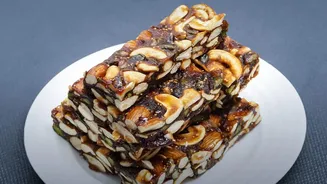
Protein bars have become the go-to snack for fitness enthusiasts and busy professionals, promising a convenient hit of protein. Many bars available in India deliver 15-20 grams of protein, which can be useful for muscle recovery after a workout. However, this convenience often comes at a cost. Many protein bars are ultra-processed foods, with long ingredient lists that include various forms of sugar, artificial sweeteners, and preservatives. Some are so high in sugar and fat that they are nutritionally closer to a candy bar than a health food. While they can serve a specific purpose, like a quick protein source post-exercise, they shouldn't replace whole foods in your diet. Relying on them too often means missing out on the broader spectrum of nutrients found in natural, unprocessed foods.
The Showdown: A Head-to-Head Look
So, how do they stack up in a typical serving? A 25-gram bowl of plain roasted makhana has about 85-90 calories and around 2.5 grams of protein. A 30-gram handful of almonds contains roughly 170 calories and 6 grams of protein. A typical protein bar can range from 200 to 400 calories and provide 15-20 grams of protein, but often with significant added sugar. For pure, low-calorie volume, makhana is the clear winner. You can eat a large bowl without a high calorie cost. For nutrient density and lasting fullness from healthy fats and protein, nuts are superior. Protein bars deliver the highest protein count but come with the significant drawback of being highly processed.
The Verdict: The Right Snack for the Right Goal
There is no single 'best' snack; the ideal choice depends entirely on your goal. If you're looking for a light, crunchy, low-calorie snack to satisfy cravings while watching a movie, plain roasted makhana is your best bet. If you need a more substantial snack to tide you over between meals and provide sustained energy, a controlled portion of nuts is an excellent, nutrient-dense choice. A protein bar is best reserved for very specific situations, such as a quick recovery aid immediately after an intense workout, and even then, it's crucial to read the label and choose one with minimal sugar and a short ingredient list. For daily, guilt-free snacking, whole foods almost always win.