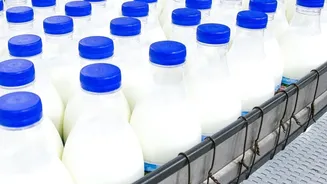








What Are the New Prices?
Effective November 12, 2026, both Amul and Mother Dairy increased the prices of their pouch milk variants by ₹2 to ₹4 per litre across major markets. For instance, in the Delhi-NCR region, Mother Dairy's full-cream milk now costs ₹76 per litre, up from
₹72, while its toned milk rose to ₹62 from ₹60 per litre. Similarly, Amul raised the price of its Amul Gold (full cream) by ₹4 per litre and Amul Taaza (toned milk) by ₹2 per litre. These increases follow earlier hikes in May 2026, making it the second significant rise this year for many brands, a frequency that is unusual compared to the typical annual adjustments. Other regional players across the country, from Guwahati to Maharashtra, have also implemented similar increases.
The Core Issue: Soaring Procurement Costs
The primary reason cited by all dairy companies for the price rise is the significant increase in procurement costs. This refers to the price they pay to farmers to source raw milk. To maintain their livelihood, farmers need a price that covers their own rising expenses. Both Amul and Mother Dairy have stated that a major portion of their sales revenue—around 75-80%—is passed back to the milk producers. When the cost of producing milk at the farm level goes up, companies are compelled to pay farmers more. This increased procurement cost is then partially passed on to the end consumer to keep the entire supply chain economically viable.
Fodder and Feed Inflation
But what is driving up the farmers' costs? The biggest factor is the price of cattle feed and fodder, which accounts for up to 75% of the total cost of milk production. Over the past year, the dairy industry has been hit by a sharp rise in the prices of both green and dry fodder. Mother Dairy noted that fodder prices have surged by as much as 20%. This is compounded by an increase in the cost of concentrated cattle feed ingredients like oil cakes, maize, and molasses. Reports from September 2026 indicated that cattle feed costs were already 15-20% higher than the previous year. Uneven and below-par monsoon rains in key dairy-producing states like Gujarat have further strained the availability of affordable fodder, forcing farmers to spend more to feed their livestock.
Operational and Logistical Pressures
Beyond the farm gate, the costs associated with processing, packaging, and transporting milk have also escalated. The price of packaging materials, particularly the plastic film used for milk pouches, has increased. Furthermore, higher fuel prices directly impact transportation costs, from collecting milk from rural centres to distributing the final product to millions of retail outlets across cities. These combined operational pressures add another layer to the final price tag that consumers see at their local store.
The Bigger Picture for Household Budgets
For the average Indian household, this price hike, though seemingly small at a few rupees per litre, adds up quickly. It directly impacts monthly budgets and contributes to broader food inflation, which stood at 8.94% in October 2026, up from 7.74% in September. The timing, just after the main festive season, means families are already dealing with stretched budgets. While dairies argue the hike is necessary to support the millions of farmers who form the backbone of the industry, it presents a tangible challenge for consumers already navigating a high-cost environment.