

A Record-Breaking River of Light
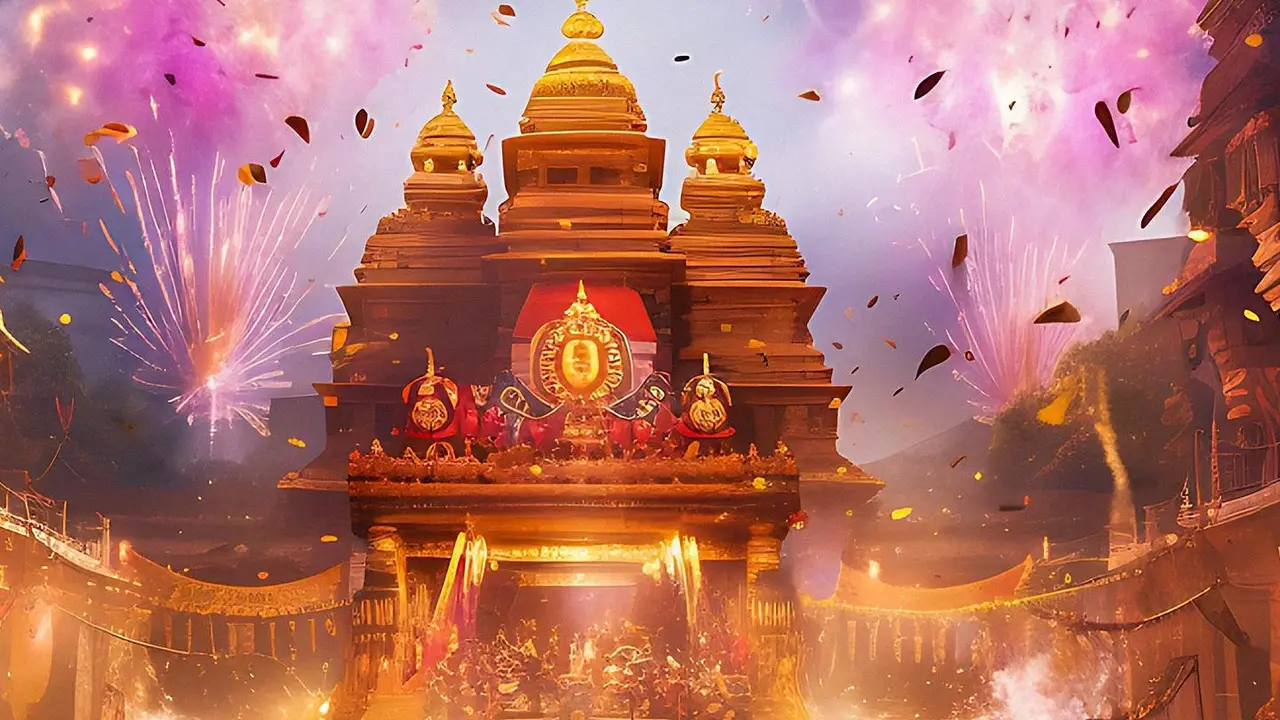
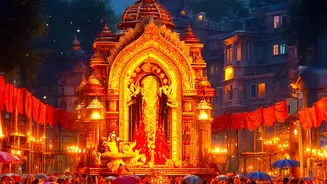
The 2026 Deepotsav in Ayodhya, scheduled for November 7, is set to be the grandest yet. Preparations are underway to light an estimated 3.3 million earthen lamps, or 'diyas', along the city's ghats, particularly at Ram Ki Paidi. This continues a tradition
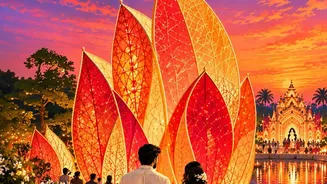
of breaking records, which saw over 2.6 million diyas lit in 2025. The event, which began in 2017 with just 171,000 lamps, commemorates Lord Ram's return to Ayodhya and has grown into a globally recognised symbol of faith and celebration. Beyond the lamps, the festival includes elaborate floral decorations, Ramayana-inspired cultural performances, and processions that transform the entire city into a living epic.
The Strategy Behind the Spectacle
Deepotsav is the centrepiece of a deliberate strategy by the Uttar Pradesh government to position the state as a premier destination for religious and cultural tourism. Chief Minister Yogi Adityanath has framed the festival not just as a religious observance but as a symbol of Ayodhya's cultural revival and infrastructural transformation. This event is a key part of the state's broader 'Utsav Pradesh' (State of Celebration) vision, which aims to leverage its rich heritage to drive tourism and local growth. By packaging festivals like Deepotsav, Varanasi's Dev Deepawali, and Mathura's Rangotsav into structured tourism experiences, the government is creating new avenues for economic development.
An Engine for Economic Growth
The impact of this focus on festival tourism is tangible. The massive influx of visitors for events like Deepotsav provides a significant boost to Ayodhya's local economy. Hotels, guest houses, transport operators, artisans, and small vendors all benefit from the surge in demand. This is part of a larger economic transformation for the city, catalysed by major infrastructure projects like the Maharishi Valmiki International Airport, a modernised railway station, and improved road connectivity via new expressways. Studies project that tourism in Ayodhya could generate substantial revenue annually, creating tens of thousands of direct and indirect jobs across various sectors. This model turns cultural heritage into a modern economic engine, channeling tourism spending directly into local households and businesses.
A Blueprint for the Nation?
The success of Ayodhya's Deepotsav offers a potential blueprint for other regions in India. The strategy involves identifying unique cultural events, investing in supporting infrastructure, and actively promoting them on a national and global stage. Uttar Pradesh is developing themed tourism circuits, such as the Ramayana, Buddhist, and Krishna-Braj circuits, to integrate these festivals into broader travel itineraries. This approach not only preserves cultural traditions but also ensures that their economic benefits are widely distributed. By turning ancient festivals into organised, accessible, and world-class events, Ayodhya demonstrates how faith, culture, and commerce can merge to create a sustainable model for regional development and national pride.