






The Science Behind Monsoon Smells
The primary reason our homes smell different during the monsoon is the spike in humidity. High humidity means there's a lot of water vapour in the air. This moisture does two things. First, it acts as a carrier for odour molecules, helping them travel
and linger more effectively. Second, and more importantly, it creates the perfect breeding ground for microscopic life. The characteristic musty or damp smell is not just 'wet air'; it's the result of volatile organic compounds (VOCs) released by mould and mildew as they grow on surfaces. Spores are always present in the air, but when humidity levels rise above 60-70%, they find the moisture they need to activate and colonise on damp walls, fabrics, and furniture.
Identifying Common Odour Hotspots
Certain areas in a home are more prone to developing these monsoon odours due to poor ventilation and higher moisture levels. Wardrobes and closets are prime culprits; clothes that are not completely dry or are stored in a damp, dark space quickly develop a musty scent. Kitchens, with their combination of cooking steam, food waste, and damp cloths, are another hotspot where bacteria can thrive, creating unpleasant smells. Bathrooms, by their very nature, are damp environments where mould can easily grow in grout lines and corners. Other common sources include shoe racks with wet footwear, damp carpets, and upholstered furniture that absorbs ambient moisture.
Let Air and Sunlight In
The first and most effective line of defence against monsoon mustiness is ventilation. Whenever there is a break in the rain, open windows and doors to allow for cross-ventilation. This simple act helps to flush out stale, odour-laden air and reduce indoor humidity. Sunlight is a natural disinfectant and dehumidifier. Even a short period of direct sunlight can help to dry out damp surfaces and inhibit the growth of mould and mildew. For cupboards and wardrobes that remain closed, make it a point to open their doors for a few hours on dry, sunny days to let the air circulate inside.
Harness the Power of Natural Deodorisers
Instead of relying on chemical air fresheners that often just mask odours, turn to your kitchen for natural solutions. Camphor (kapur) is a traditional Indian remedy known for its air-purifying and anti-fungal properties; burning a small piece in a room or placing camphor balls in muslin bags inside cupboards can effectively combat mustiness. Placing bowls of white vinegar or baking soda in rooms can help absorb and neutralise bad smells. Activated charcoal is another excellent odour and moisture absorber, perfect for placing in wardrobes, shoe racks, and bathrooms. Even fragrant natural ingredients like dried neem leaves, cloves, or citrus peels can be placed in small pouches to keep clothes and enclosed spaces smelling fresh.
Adopt Smart Cleaning and Storage Habits
During the monsoon, a few adjustments to your routine can make a big difference. Ensure that laundry is completely dry before you store it; if you must dry clothes indoors, use a fan to speed up the process and keep the area well-ventilated. Wipe down damp surfaces, especially in the kitchen and bathroom, regularly to prevent mould from taking hold. Mopping floors with a disinfectant to which a few drops of an essential oil like lemongrass or eucalyptus have been added can also help. For carpets and mattresses that feel damp, sprinkling baking soda, letting it sit for about 30 minutes, and then vacuuming it up can remove both moisture and odours.
When to Use a Dehumidifier
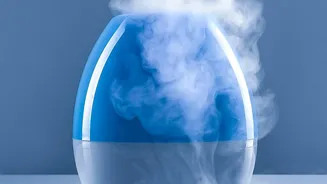
In homes with persistent dampness or in extremely humid climates, investing in a dehumidifier can be a game-changer. These appliances work by drawing excess moisture out of the air, directly tackling the root cause of mould and musty smells. Maintaining an indoor humidity level between 30% and 50% is ideal for preventing mould growth and keeping the air feeling fresh and comfortable. Placing a dehumidifier in particularly damp areas like basements, bathrooms, or poorly ventilated bedrooms can significantly improve the indoor environment throughout the rainy season.