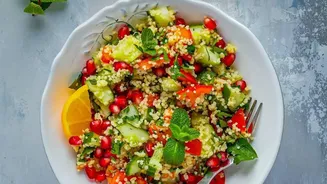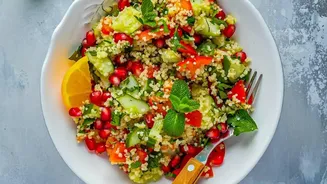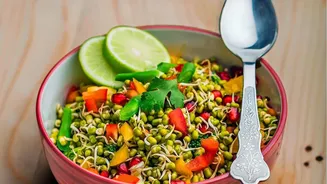




Start With the Right Bowl
The secret to portion control often starts with the vessel itself. Large bowls can trick our eyes into piling on more ingredients than we need. A medium-sized bowl, around 24 to 32 ounces, is ideal for a single-serving main course salad. This size provides
enough room for a satisfying meal without encouraging overfilling. Using a smaller bowl is a simple psychological trick that helps your plate look full and abundant, promoting a sense of satisfaction with an appropriate amount of food. Bowls with deep, curved sides are also practical, as they make tossing ingredients with dressing easier and prevent spills. Whether you choose glass, stainless steel, or ceramic, the key is to select a bowl that feels like it’s meant for one person, not for serving a family.
Build a Foundation of Greens
Begin your salad with a generous base of leafy greens. While traditional Mediterranean salads in countries like Egypt or Greece often focus on chopped vegetables without lettuce, modern interpretations frequently use greens as a foundation. Aim for about two to three cups of greens. Options like romaine add a satisfying crunch, while arugula brings a peppery bite. This base adds volume and essential nutrients for very few calories, helping you feel full. Filling half your plate or bowl with vegetables is a reliable guideline for building a balanced meal.
Layer on the Colourful Vegetables
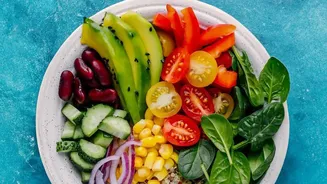
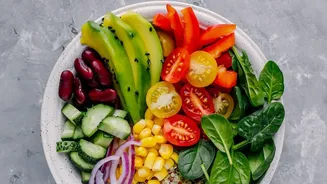
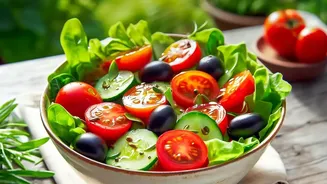
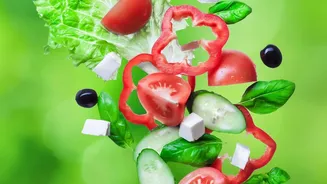
This is where the Mediterranean palette truly comes to life. The goal is variety and colour. Core ingredients include juicy tomatoes, crisp cucumbers, and thinly sliced red onion. These form the classic trio found in many regional variations. From there, feel free to add other ingredients that reflect the broad Mediterranean region, such as roasted red peppers, artichoke hearts, or carrots. These vegetables not only provide a wide range of vitamins and minerals but also add diverse textures and flavours that make the salad more interesting and satisfying.
Incorporate Lean Protein and Healthy Fats
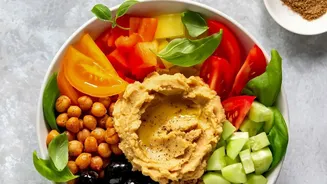
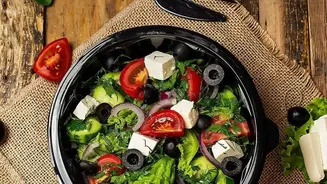
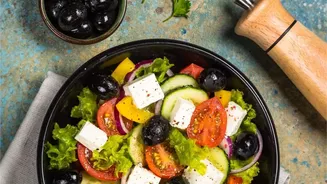
To transform your salad from a side dish into a complete meal, protein is essential. Chickpeas are a classic, plant-based choice that adds substance and fibre. Other great options include grilled chicken, canned tuna, lentils, or a soft-boiled egg. A serving of protein should be about the size of your palm. For healthy fats, think beyond the dressing. A sprinkle of crumbled feta cheese offers a salty, creamy element, while a small handful of Kalamata olives provides a briny kick. These ingredients are nutrient-dense but also high in calories, so use them thoughtfully to enhance flavour without overwhelming the dish.
Choose Smart Carbohydrates
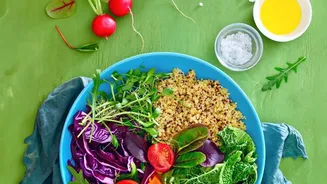
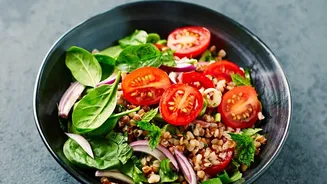
While not always necessary, adding a small portion of complex carbohydrates can make your salad even more filling. A quarter-cup to a half-cup of a cooked grain like quinoa or farro can be mixed directly into the salad. This adds texture and sustained energy. Alternatively, serving the salad with a side of warm whole-wheat pita bread is a perfect way to round out the meal, ideal for scooping up the last bits of dressing and vegetables.
Whisk a Simple Vinaigrette
A homemade dressing is non-negotiable for an authentic Mediterranean salad and is far healthier than most store-bought options. The classic formula is simple: high-quality extra virgin olive oil, a splash of acid like fresh lemon juice or red wine vinegar, and herbs. A good ratio to start with is three parts oil to one part vinegar or citrus. Whisk in minced garlic, a teaspoon of Dijon mustard to help it emulsify, and some dried oregano. Season with salt and pepper to taste. Use about one to two tablespoons of dressing per serving. A great way to mix it is by shaking all the ingredients in a small jar.