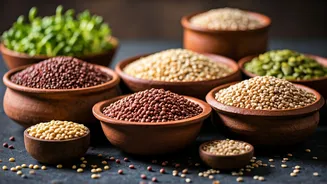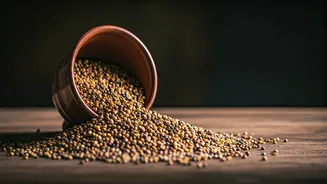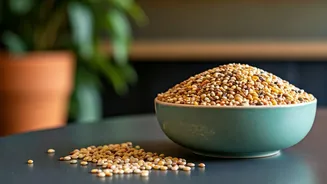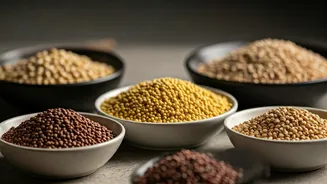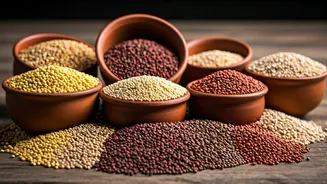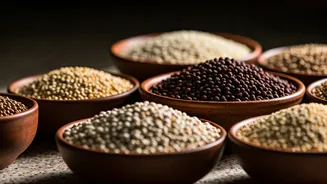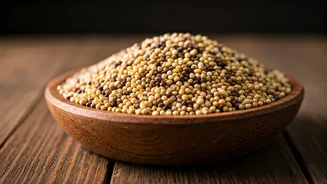




From Ancestral Staple to Modern Superfood
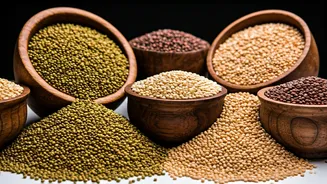
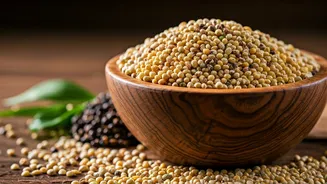
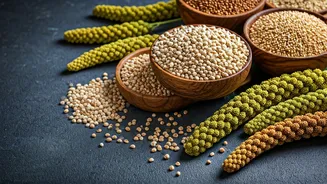
For centuries, millets like jowar (sorghum), bajra (pearl millet), and ragi (finger millet) were the backbone of India's diet. [12] However, with the Green Revolution's focus on wheat and rice, these hardy grains were pushed to the background. [9, 13]
Now, a wave of health consciousness, amplified by government initiatives like the International Year of Millets, has sparked a powerful resurgence. [10, 14] Urban and rural households alike are rediscovering these grains, not just for tradition's sake, but for their scientifically-backed health credentials. [8] They are no longer just rural staples but are being embraced as superfoods in modern, health-focused homes.
A Nutritional Powerhouse on Your Plate
So, what’s driving this shift? The incredible nutritional profile of millets. They are naturally gluten-free, making them a safe and healthy option for those with celiac disease or gluten sensitivity. [4, 8] Packed with dietary fibre, millets aid digestion, promote gut health by supporting good bacteria, and help you feel full for longer, which can assist in weight management. [4, 7, 22] Most millets have a low glycemic index, which means they release sugar into the bloodstream slowly, preventing sharp spikes and making them an excellent choice for managing blood sugar levels and diabetes. [3, 4, 6] They are also rich sources of essential minerals like iron, calcium for bone health (especially ragi), magnesium, and potassium. [3, 4, 22]
More Than Just Roti and Bhakri
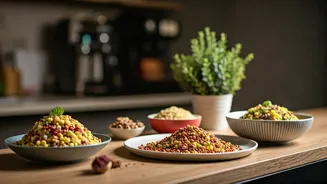
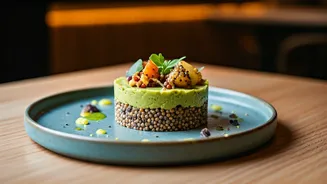
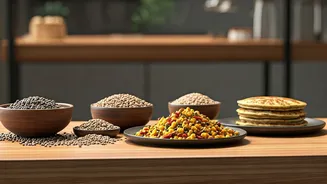
If you think millets are only for making traditional flatbreads, think again. The modern Indian kitchen is getting creative. The versatility of millets is a key reason for their growing popularity. [6] You can find millet-based versions of almost any dish. Start your day with fluffy ragi idlis or a hearty bajra porridge. [16] For lunch, a barnyard millet pulao can easily replace rice. [16, 21] Evenings can be about multigrain thalipeeth or crispy ragi dosas. [16, 20] The innovation doesn’t stop there. Millet flours are being used to bake everything from nutrient-dense cookies and cakes to breads and laddus, offering healthier ways to indulge your sweet tooth. [20, 21]
Making the Switch: Easy Tips for Your Kitchen
Incorporating millets into your diet is simpler than you might think. Nutritionists suggest a gradual approach. [11] Start by swapping one meal a day; for example, replace your regular rice with foxtail or little millet. To ensure maximum nutrient absorption and easy digestion, it's recommended to soak millets for a few hours before cooking. [11, 22] This process helps break down phytic acid, an anti-nutrient present in the grain. [11] Experts also advise eating one type of millet at a time rather than mixing them in a single meal, as each has a unique nutrient profile and digesting too much fibre or protein at once can be difficult for some. [18] Experiment with different types to see which ones you enjoy most and how your body responds.