



The Countdown for Festive Travel Begins
For anyone planning to travel home for Diwali and Chhath Puja in mid-November, the clock is ticking now. Indian Railways operates on a 120-day Advance Reservation Period (ARP), which means the booking window for the country's biggest festive season falls
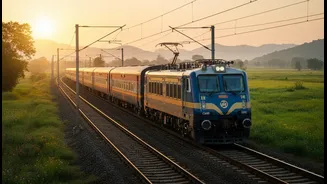
squarely in mid-July. Routes connecting major metros like Delhi, Mumbai, and Bengaluru to towns in Uttar Pradesh, Bihar, and Jharkhand see tickets evaporate within minutes of the booking window opening. This period is a high-stakes race for a confirmed berth, making mid-July the most important time of the year for proactive travel planning. Missing this window often means relying on the slim chances of Tatkal or paying exorbitant prices for other modes of transport. Therefore, this mid-July period is the real beginning of the festive rush, not in October or November, but in the booking queues of today.
A Leap into the Future: India's First Hydrogen Train
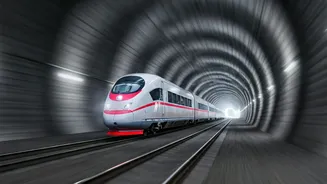
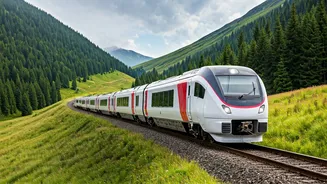
Beyond the annual travel rush, this month is set to be historic. Indian Railways is scheduled to launch the country's first-ever hydrogen-powered train on July 17. This pioneering service is planned for the Jind-Sonipat route in Haryana and represents a monumental step in India’s push for cleaner transport under the 'Make in India' initiative. The train, designed by the Research Designs and Standards Organisation in Lucknow, generates electricity through a chemical reaction between hydrogen and oxygen, producing only steam and heat as byproducts. With a range of approximately 250 km on a single refuelling, the successful pilot of this ten-car train could pave the way for a wider rollout, significantly reducing the railways' dependence on diesel and cutting down on pollution. For passengers, it promises a faster and quieter journey on the route.
New Connections and Expanded Services
This period has already seen a significant expansion of the rail network. On July 6, Railway Minister Ashwini Vaishnaw flagged off several new train services designed to improve connectivity across multiple states. Key among these are the Nanded-Mumbai Express, which will enhance travel between the Marathwada and Vidarbha regions of Maharashtra, and the Tanakpur-Nanded Express, connecting Uttarakhand directly with a major pilgrimage site in Maharashtra. The launch of these trains addresses long-standing demands from local populations and is expected to particularly benefit pilgrims and those in the Terai region. Additionally, routes like the Tanakpur-Pilibhit service were extended to Shahjahanpur, and the Tanakpur-Agra special train was converted into a regular service, solidifying travel options for thousands.
Peak Monsoon and a Flurry of Special Trains
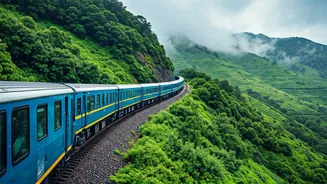
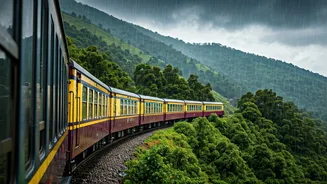
Mid-July also marks the crescendo of two key travel seasons: the end of the summer holiday rush and the peak of monsoon tourism. The operating window for the massive deployment of summer special trains, which started on April 15, concludes on July 15. This year saw a record number of special services to manage the vacation and wedding season demand, and these final weeks represent the last chance for many to utilize them. Simultaneously, July is the prime month for scenic monsoon train journeys. Routes like the Mumbai-Goa line on the Konkan Railway become exceptionally beautiful, with Vande Bharat Express services offering panoramic views of waterfalls and lush landscapes. IRCTC is also leveraging the season, offering tour packages like the Dakshin Bharat Yatra, which begins at the end of the month, making July a key planning and travel period.
A Microcosm of a Changing Railway
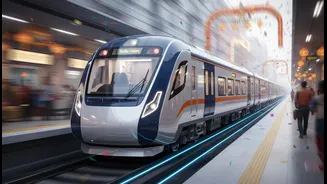
What makes this mid-July window so compelling is how it captures Indian Railways in transition. On one hand, the system is grappling with the herculean, traditional task of managing festive demand, a challenge that defines its operations year after year. On the other, it is simultaneously pushing the boundaries of modern transport with the expansion of Vande Bharat services and the introduction of groundbreaking hydrogen technology. The recent launch of new express and Amrit Bharat trains shows a commitment to bolstering conventional services that form the network's backbone. This confluence of activities—managing the old, introducing the new, and pioneering the future—all happening within a few short weeks, underscores a dynamic and evolving national carrier.