






Prep Your Vehicle for the Wet
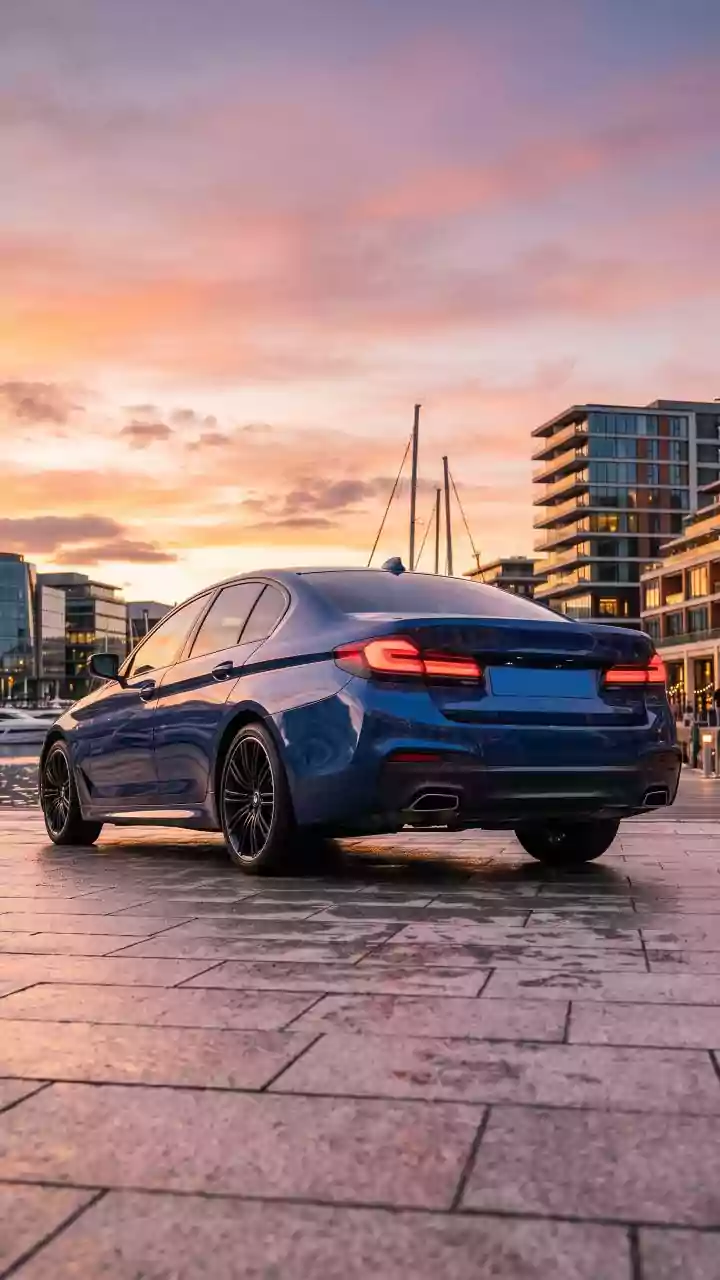
Before the monsoon hits its peak, give your car or two-wheeler a thorough check-up. Your primary goal is to see and be seen. Ensure your windshield wipers are in top condition, replacing them if they leave streaks. Check that all your lights—headlights,
taillights, and indicators—are functioning correctly. Use dipped headlights even during the day to increase your visibility to other drivers in heavy rain. Most importantly, inspect your tyres. Good tread depth is crucial for maintaining grip on slick, wet roads and preventing hydroplaning, where your vehicle loses contact with the road surface. Also, test your brakes to ensure they are responsive, as stopping distances increase significantly on wet pavement.
Rethink Your Route and Timing
The route you take on a dry day may not be the best one during a downpour. Waterlogging is a major issue, and familiar roads can become impassable. Before you leave, check local traffic updates and weather forecasts. Apps that provide real-time traffic data can help you identify and avoid flooded areas. If heavy rain is predicted, the simplest solution is often the most effective: leave earlier than usual. Building a buffer of at least 30-45 minutes into your travel time can reduce stress and prevent the need to rush, which is dangerous in poor visibility. If you must drive through a puddle, do so slowly and in a low gear to avoid stalling your engine or losing control.
Safeguarding the School Run
Getting children to school safely is a top priority. Equip them with the right gear: a brightly coloured raincoat or umbrella and waterproof footwear with good grip to prevent slips. Pack an extra pair of socks and a small towel in their school bag. If they get wet, they can change into dry clothes at school to stay comfortable and avoid catching a chill. Instruct children to avoid waterlogged areas, stay away from open drains, and never take shelter under trees during a thunderstorm. For those taking the school bus, remind them to be patient and follow the instructions of the driver and attendants, as delays are common.
Mastering the Office Commute
Whether you drive or use public transport, your office commute requires a solid monsoon strategy. Protect your electronic devices like laptops and phones by using a waterproof backpack or dedicated rain covers. Keeping your valuables in zip-lock pouches offers an extra layer of security. Many seasoned commuters recommend keeping a spare set of clothes and shoes at the workplace. This allows you to change out of drenched attire and work comfortably. A compact power bank is another essential, as traffic jams and public transport delays can drain your phone's battery while you wait.
Health and Hygiene on the Go
Navigating the monsoon isn't just about traffic; it's also about staying healthy. The rainy season can bring a rise in water-borne and vector-borne diseases. Encourage frequent hand washing, especially after coming indoors. It’s wise to carry a hand sanitiser. Avoid eating street food, particularly items that have been left uncovered or might have been prepared with contaminated water. If you get drenched, change out of wet clothes as soon as possible to prevent fungal infections and other skin issues. Wearing loose, breathable fabrics can also help keep you comfortable in the humid weather.