


It Starts with the Mango
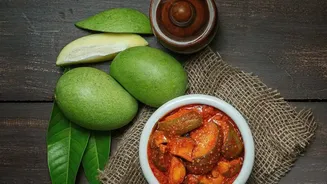
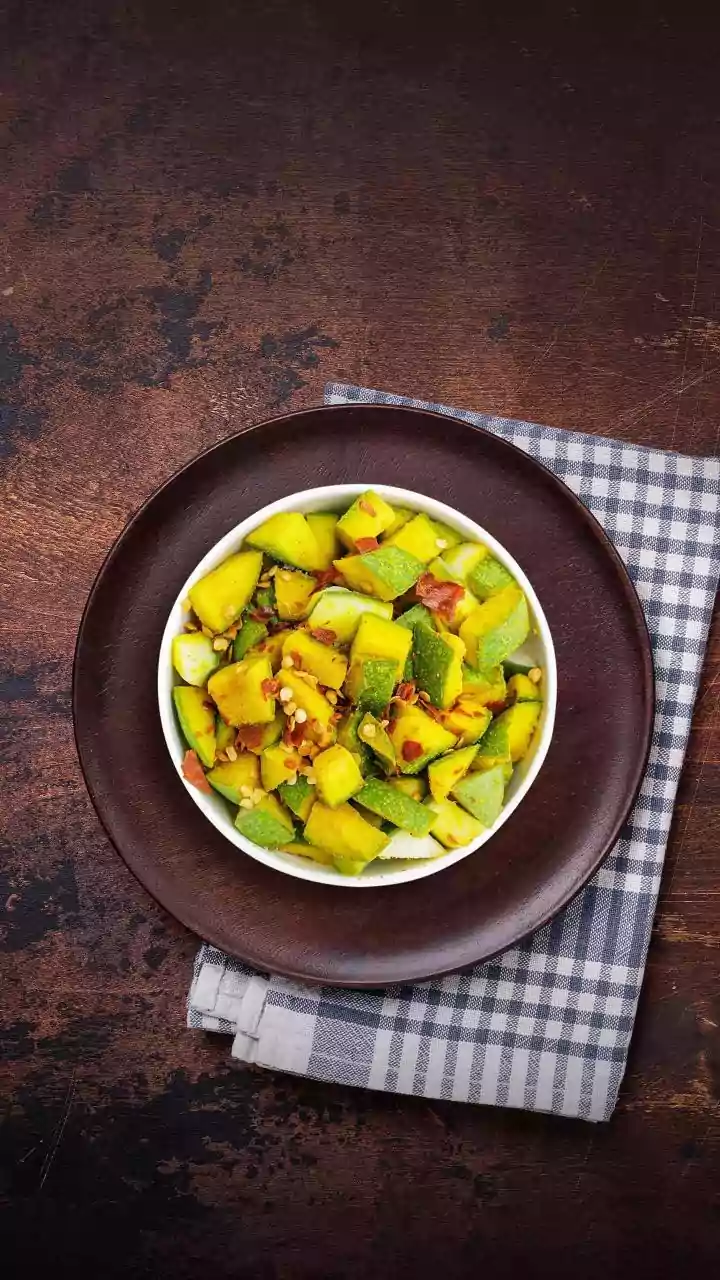
The journey of any mango pickle begins with the fruit, and for Avakaya, the choice is specific and non-negotiable. Traditional Avakaya demands firm, raw, and distinctly sour green mangoes. Varieties like Collector or Kothapalli Kobbari are often preferred.
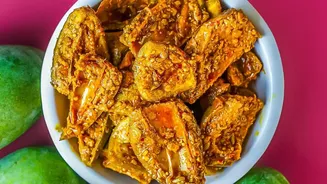
Unlike some other pickles where smaller cubes are used, Avakaya features larger chunks of mango, crucially with a piece of the hard inner shell, or 'tenka', still attached. This isn't just for show; the shell helps the mango piece retain its firm texture throughout the year-long curing process, preventing it from turning into a soft mush. This contrasts with many North Indian 'aam ka achar' recipes, which might use different mango varieties cut into smaller pieces without the kernel.
The Power of Pungent Mustard
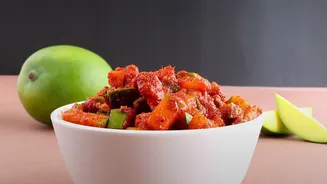
The very name 'Avakaya' gives away its soul: 'ava' means mustard, and 'kaya' means raw fruit. The defining characteristic of Avakaya is its generous use of freshly ground mustard powder, or 'aava pindi'. This is a major point of difference from many North Indian pickles, which often use whole mustard seeds along with other spices like fennel and nigella seeds. The fine powder creates the thick, pungent, and slightly grainy gravy that coats every piece of mango. This mustard-forward profile gives Avakaya its signature sharp and fiery kick, a flavour that is both intense and deeply aromatic.
The Oil and the Fire
If mustard is the soul, the oil is the lifeblood. Authentic Avakaya is made with sesame oil, also known as gingelly oil. This oil has a nutty, rich flavour that complements the spices and is resistant to going rancid, a vital quality for a pickle designed to last through hot summers without refrigeration. This is a significant departure from North Indian pickling traditions, where pungent mustard oil is the overwhelming favourite. The choice of oil profoundly impacts the final taste, with sesame oil providing a smoother base compared to the sharp zing of mustard oil. Coupled with the oil is a formidable amount of red chilli powder, often from potent local varieties like Guntur, which gives the pickle its vibrant red colour and legendary heat.
A Ritual of No-Cook Preservation
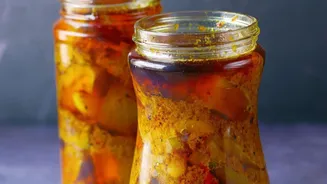
The making of Avakaya is a masterclass in preservation without cooking. Absolutely no water is used in the process. The mango pieces are meticulously wiped dry before being mixed with the dry spice blend of mustard powder, chilli powder, salt, and fenugreek. The salt then works to draw moisture out of the mangoes, creating a brine that mingles with the spices and oil. This mixture is packed into large ceramic jars, known as 'bharani' or 'jaadi', and left to mature for several days, with a thick layer of sesame oil poured on top to act as a protective seal against air and spoilage. While many other pickles might involve sun-drying the ingredients or even light cooking, Avakaya is a raw preparation that relies entirely on the magical alchemy of its core components.
More Than a Condiment, a Cultural Icon
Beyond the ingredients and methods, what truly sets Avakaya apart is its cultural weight. For Telugu households, making Avakaya is an annual summer ritual, a cherished family event that brings generations together. It's not just a side dish; it's considered a staple, the taste of home that gets lovingly packed into suitcases for family members living far away. The most iconic way to enjoy it is by mixing a spoonful with hot steamed rice and a dollop of ghee, a combination known as 'modhati muddha' or the first morsel, which is considered pure comfort food. While other mango pickles are delicious accompaniments, Avakaya holds a central place at the Andhra dining table, an emblem of identity and tradition that has remained unchanged for centuries.