





The Global Price and India's Stake
India's economy is deeply connected to global energy markets. As a nation that imports approximately 85% of its crude oil, fluctuations in international prices have significant consequences. In September 2026, geopolitical tensions and supply disruptions
have pushed crude oil prices to hover near or above $100 a barrel, with some analysts expecting them to climb further. This surge directly increases the country's import bill, putting pressure on government finances and the value of the rupee. For ordinary citizens, this is the first step in a chain reaction that ultimately affects household budgets. Every dollar increase in the price of a barrel of oil makes the raw material for petrol and diesel more expensive for India's refineries.
The Crucial Role of Diesel
While petrol prices affect private vehicle owners, diesel is the lifeblood of the Indian economy. It powers the vast network of trucks that transport nearly everything we consume, from fresh vegetables and grains to factory-made goods and e-commerce packages. Diesel accounts for a substantial portion of a truck's operating cost—estimates range from 30% to as high as 65%. When diesel prices climb, transporters face an immediate squeeze on their already thin margins. They cannot simply absorb these rising costs for long. As a result, the logistics industry is often the first to pass on the expense, leading to higher freight rates across the country.
Higher Costs for Every Delivery
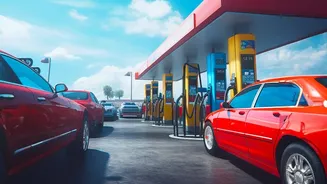
The increase in freight charges quickly translates into higher prices for consumers. This happens in two primary ways. First, the cost of transporting raw materials to factories and finished goods to markets goes up. Companies facing higher input and distribution costs often pass this on by increasing the Maximum Retail Price (MRP) of their products. Second, the 'last-mile' delivery services that have become integral to modern urban life are also hit hard. The cost of your food delivery, online shopping, and even your cab ride is directly linked to fuel prices. Delivery partners, who mostly use two-wheelers, feel the pinch immediately. To compensate them, and to maintain their own operations, delivery platforms may be forced to increase delivery fees or introduce fuel surcharges. Some industry executives have warned that prolonged fuel price hikes could raise delivery and transport prices by 10-20%.
The Broader Inflationary Ripple
The impact doesn't stop at transport and delivery. Higher transport costs are a key driver of broader inflation. When it becomes more expensive to move food from farms to markets, the prices of staples like fruits, vegetables, and dairy products rise. This contributes to overall food inflation, which directly affects the cost of a family's weekly groceries. The Reserve Bank of India (RBI) monitors fuel prices closely because of this powerful ripple effect. Sustained high oil prices can push the headline inflation rate up, potentially leading the central bank to increase interest rates to control prices. Such a move would make loans more expensive, further impacting household finances and overall economic growth.
What Can Households Expect?
For the average Indian household, these macroeconomic trends will manifest in subtle but noticeable ways. The cost of a bag of groceries might inch up. That online order may come with a slightly higher delivery charge. Planning a trip using a ride-hailing app could become more expensive. A survey has already shown that a majority of Indian consumers feel the pinch of rising transport costs, with many planning to cut back on non-essential travel. While it's difficult to predict the exact timing or scale of these increases, the connection is clear: the price of oil in the global market has a direct, tangible effect on the cost of living. Being aware of this link can help families better understand and prepare for the financial pressures ahead.