






What Are the Orionids?
The Orionid meteor shower is an annual event that occurs when Earth passes through the trail of dusty, icy debris left behind by Halley's Comet. While the comet itself only visits the inner solar system every 76 years, its cosmic leftovers create two
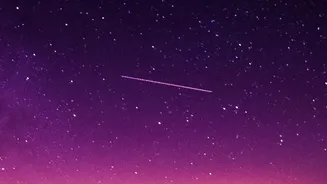
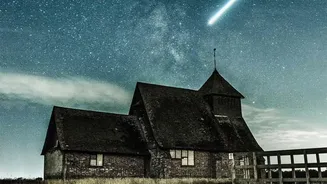
yearly meteor showers: the Eta Aquarids in May and the Orionids in October. The Orionids are known for being particularly swift and bright. They slam into our atmosphere at about 66 kilometres per second, and this incredible speed can cause them to leave glowing trails, or 'trains,' that linger for a few moments after the meteor has vanished. Occasionally, they can even produce intensely bright 'fireballs,' which are spectacular, prolonged flashes of light.
When to Watch in 2026
The Orionids are active from early October to early November, but the best time to watch will be during the peak. For 2026, the peak is predicted for the night of October 21-22. The ideal viewing window is in the hours after midnight until dawn, when the shower's radiant point—the spot in the sky where the meteors appear to originate—is highest. This year, viewing conditions are a mixed bag. The peak coincides with a bright waxing gibbous moon, which will light up the sky for much of the night. However, there is a window of opportunity: the moon is expected to set around 3 a.m. local time, leaving the pre-dawn hours dark and perfect for meteor spotting. So, set your alarm for the early morning to give yourself the best shot.
The Quest for Dark Skies
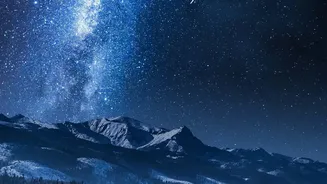
The single most important factor for a successful meteor shower viewing is getting away from light pollution. City and suburban skies are flooded with artificial light that creates a permanent 'sky glow,' washing out all but the brightest celestial objects. While you might see a few bright meteors from a city like Delhi or Mumbai, you will miss the majority of the show. To truly experience the Orionids, which can produce 15 to 20 meteors per hour under ideal conditions, you need a dark sky. This means travelling at least 30-40 minutes away from city centres to a rural area, a national park, or a designated dark-sky location. Places with higher altitudes, like those in Uttarakhand or Himachal Pradesh, often offer even clearer, more transparent skies. The darker the location, the more faint meteors become visible, dramatically increasing the number of shooting stars you'll count.
Tips for a Perfect Night Out
Once you've found your dark spot, a little preparation goes a long way. First, give your eyes at least 20 to 30 minutes to fully adapt to the darkness. This means no looking at your phone screen, as even a quick glance can reset your night vision. Use a red-light torch if you need to see, as red light is less disruptive to your eyes. You don’t need a telescope or binoculars; meteor showers are best viewed with the naked eye, allowing you to take in as much of the sky as possible. Lie back on a blanket or recline in a chair for comfort. Look generally towards the constellation Orion, but remember that meteors can appear anywhere in the sky. Finally, be patient. Meteor watching is a waiting game, but the reward is a front-row seat to one of nature's most dazzling displays.