


The Sugar Crash and Health Awakening
For years, processed breakfast cereals were marketed as the quick, healthy start to a busy day. However, a growing number of Indian consumers are now looking past the glossy packaging and fortified claims. Many popular cereals have been called out for their
high sugar content and refined grains, which can lead to energy crashes and contribute to lifestyle diseases. Nutritionists point out that the industrial processing often strips away essential nutrients like fibre, leaving behind what some call 'empty calories'. This health awakening is a major driver, with people increasingly wary of misleading labels and seeking foods that provide sustained energy, not a short-lived sugar high.
The Great Millet Comeback
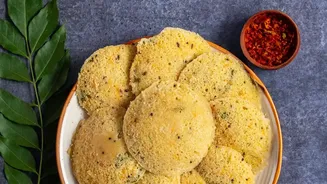
Enter millets, the ancient grains making a spectacular comeback. Once staple foods across India, varieties like jowar (sorghum), bajra (pearl millet), and ragi (finger millet) are being rediscovered as 'nutri-cereals'. This resurgence was significantly boosted by the Indian government's push and the UN's declaration of 2023 as the International Year of Millets. These grains are naturally high in protein, fibre, and essential minerals, and are often gluten-free. Their lower glycemic index compared to refined wheat and corn also makes them a preferred choice for managing blood sugar levels, a growing concern in the country.
A Return to Traditional Tastes
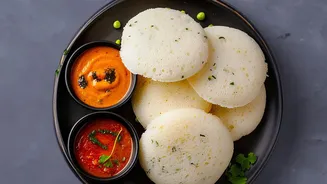
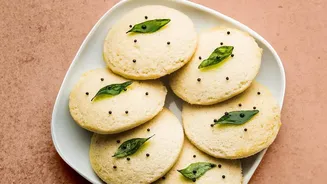
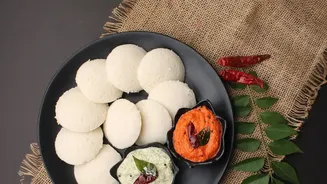
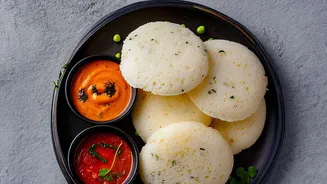
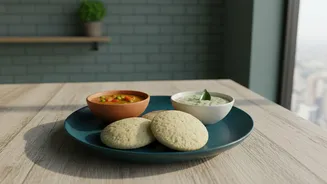
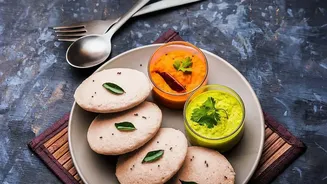
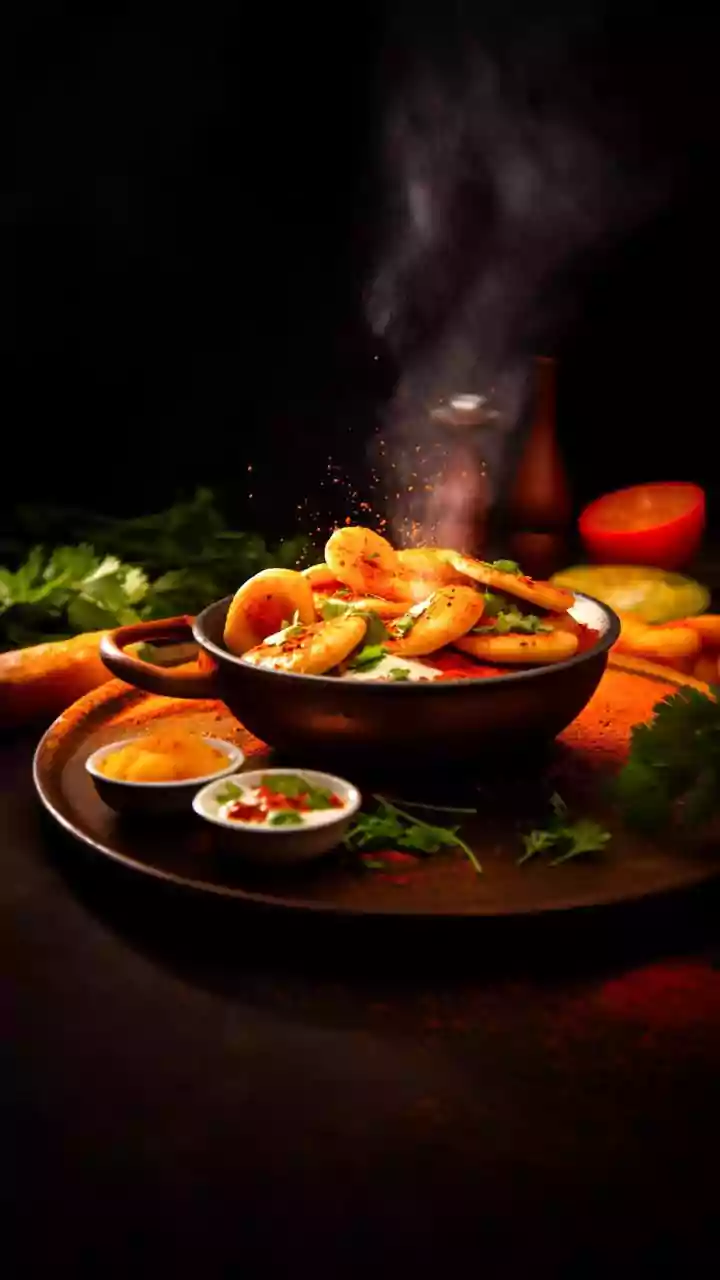
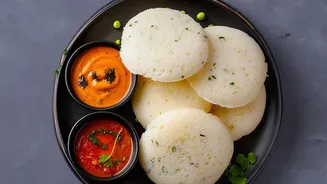
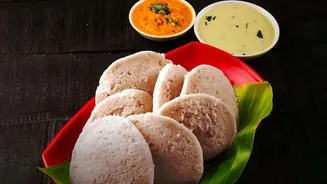
The shift isn't just about nutrition; it's also about culture and comfort. Traditional breakfasts like idlis, dosas, and appams are not just meals; they are experiences rooted in heritage. Many find these dishes, often made from fermented batters, to be lighter and easier on the digestive system. The combination of a soft, steamed idli with protein-rich sambar and probiotic-friendly chutney offers a balanced meal that packaged cereals struggle to replicate. As consumers seek authenticity, the demand for familiar, regional flavours is on the rise, with restaurants and delivery apps making these traditional meals more accessible than ever.
How the Market is Responding
The food industry has taken notice. The Indian millets market is experiencing robust growth, with a surge in startups offering everything from millet flour to ready-to-cook appam and idli mixes. This trend has even forced the hand of multinational cereal companies. Initially struggling to find a foothold in the Indian market, brands like Kellogg's learned to adapt by launching products catering to local tastes, including hot breakfast options like upma and even introducing their own millet-based cereals. This shows a clear market acknowledgment that convenience alone is no longer enough; health and cultural relevance are now key drivers of consumer choice.