






The End of the Checklist Holiday
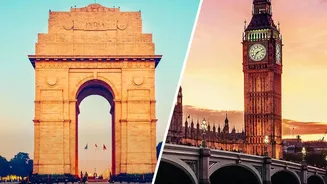
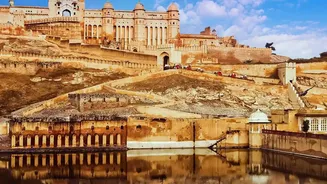
For years, a successful trip was often measured by a checklist of sights: the Taj Mahal, the Gateway of India, the forts of Rajasthan. But for many young Indians today, that model is losing its appeal. This new generation of travellers, comprised mainly
of millennials and Gen Z, is less interested in battling crowds for a generic photo-op. Instead, they are driven by a desire for authentic and unique experiences that go beyond the pages of a traditional guidebook. According to a Skyscanner report, a staggering 81% of Indian travellers are now open to visiting lesser-known destinations. This shift marks a move away from performative tourism towards more personal, exploratory journeys that reflect individual identity and values.
Social Media's Surprising Influence
While it might seem counterintuitive, the quest for the undiscovered is deeply intertwined with social media. Platforms like Instagram are no longer just for showcasing famous monuments. They have become powerful tools for discovering hidden gems—a secluded beach in Gokarna, a quiet cafe in the hills of Himachal, or a pristine river in Meghalaya. Influencers and user-generated content inspire travellers to find unique, aesthetically pleasing spots that haven't yet flooded everyone else's feed. This creates a new kind of travel currency, where the goal is not just to see a place, but to discover it. However, the influence is nuanced; travellers often use influencer posts as a starting point, but also rely on the shared experiences of other users to gauge authenticity.
Seeking Connection, Not Crowds
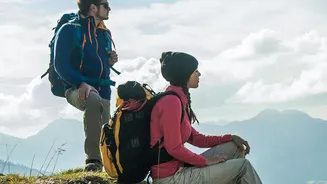
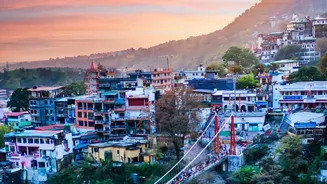
The psychological drivers behind this trend are significant. In an era of urban burnout and digital fatigue, many young professionals are looking for genuine disconnection and relaxation. A 2026 travel outlook report found that relaxation was the main travel motivator for 67% of Indian respondents. This has given rise to the concept of “slow travel,” where the focus is on immersing oneself in a single location rather than rushing through a packed itinerary. These travellers are choosing homestays in remote villages over luxury hotels, prioritizing local interactions, and seeking out nature. Destinations like Ziro Valley in Arunachal Pradesh, Gurez Valley in Kashmir, and quiet coastal stretches in Karnataka are gaining popularity for offering just that: space, silence, and a meaningful connection to the place and its culture.
The Workation Revolution
The widespread adoption of flexible and remote work policies post-pandemic has been a major catalyst. The rise of the “workation” has untethered young professionals from their city desks, allowing them to blend work and leisure seamlessly. Why work from a cramped city apartment when you can answer emails from a balcony overlooking the Himalayas or a beach in Goa? This trend enables longer stays in a single location, making travel to more remote areas feasible. A survey found that 33% of travellers now prefer working from natural settings to escape urban burnout. This has fueled demand for destinations that offer reliable internet alongside scenic beauty and a slower pace of life.
A New Travel Map of India
As a result of these shifting priorities, a new travel map of India is emerging. While classic destinations will always have their place, the spotlight is increasingly turning to offbeat locations. The misty hills of the Northeast, with places like Mawlynnong in Meghalaya and Damro in Arunachal Pradesh, are attracting those in search of unique cultures and pristine landscapes. In the south, the serene beaches of Gokarna and the unexplored ruins of Hampi offer a quieter alternative to more commercialized spots. Even in the north, travellers are venturing beyond the usual hotspots to places like Pangi in Himachal Pradesh for solitude and adventure. This trend not only provides travellers with richer experiences but also helps distribute tourism revenue to more remote economies.