






The Gravity of the Situation: Why Hanging is a Mistake
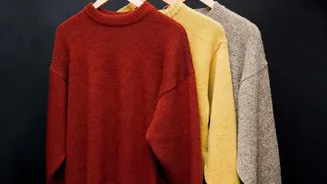
It might seem convenient, but hanging heavy knitwear is the fastest way to ruin its shape. Gravity is the enemy of wool, cashmere, and other chunky knits. When hung, the entire weight of the garment pulls down from the shoulders, causing the delicate
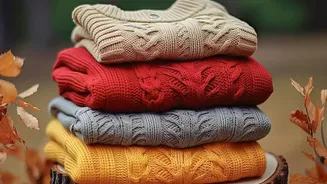
knit loops to stretch and distort. This leads to those unsightly bumps on the shoulders, a sagging hemline, and a neckline that's lost its snug fit. Unlike woven fabrics that have a stable structure, knits are made of interconnected loops designed for stretch and comfort. Hanging puts relentless strain on these loops, permanently damaging the garment’s silhouette. Folding, by contrast, distributes the weight evenly and allows the fibres to relax, preserving the sweater's original shape and fit.
The Perfect Fold: A Step-by-Step Guide
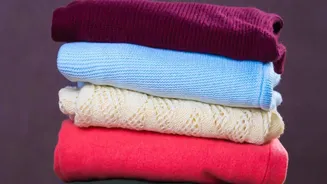
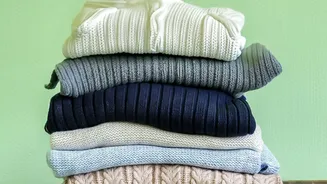
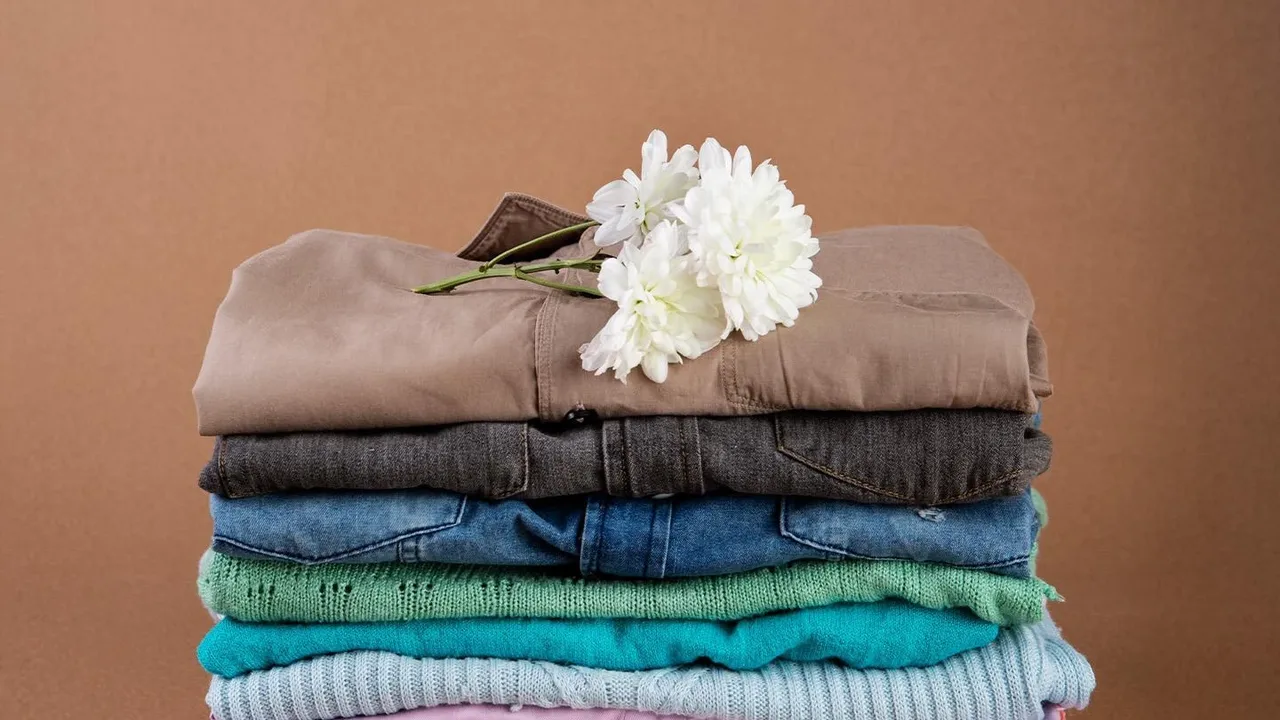
The core of great sweater care is a smart folding technique. While there are several methods, a simple and effective approach works for most heavy knits. Start by laying the sweater face down on a clean, flat surface and smoothing out any wrinkles. Fold one sleeve inward toward the centre of the sweater. Repeat with the other sleeve, creating a neat rectangle. Finally, fold the bottom half of the rectangle up to meet the neckline. For thicker sweaters, folding into thirds may work better to create a less bulky shape that can be stacked or stored upright in a drawer. This method not only prevents stretching but also minimises creasing and makes it easy to see all your sweaters at a glance.
Before You Store: The Essential Prep Work
Proper storage begins before the first fold. The single most important step is to ensure your woollens are perfectly clean. Even if a garment looks clean, invisible traces of body oils, skin cells, and food particles can attract pests like moths. Moths are not drawn to clean wool; their larvae feed on the organic residues left on soiled fabric. Always follow the care label, which may recommend dry cleaning or a gentle hand wash with a wool-specific detergent. After cleaning, it is crucial to make sure the garment is completely dry. Storing even slightly damp clothing can lead to mildew and musty odours.
Creating a Safe Haven for Your Woollens
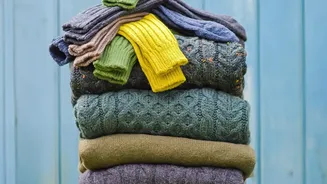
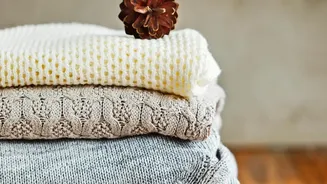
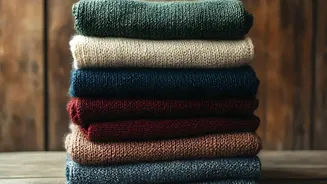
Once clean, dry, and folded, your knitwear needs a safe home. The ideal storage location is cool, dark, and dry. Avoid plastic bags and airtight containers for long-term storage, as they can trap moisture and cause fibres to yellow or develop mildew. Breathable cotton or canvas storage bags are a much better option, as they protect from dust while allowing air to circulate. When stacking folded sweaters on a shelf or in a drawer, place heavier items at the bottom to avoid crushing more delicate knits. Also, don't overpack the space; giving your clothes room to breathe helps maintain their shape.
An Ounce of Prevention: Keeping Pests Away
Protecting your woollens from moths is a top priority. Instead of using old-fashioned, chemical-laden mothballs, opt for natural deterrents. Cedar blocks or lavender sachets are effective and leave a pleasant scent. Cedar contains natural oils that repel moths, but its effectiveness fades over time. To keep it working, lightly sand the surface of the cedar blocks once a year to release fresh oils. Placing these repellents in your drawers or storage bags adds an extra layer of defence, ensuring that when you unpack your sweaters next winter, they are free from any unwelcome holes.