







The Unquestionable King of Comfort
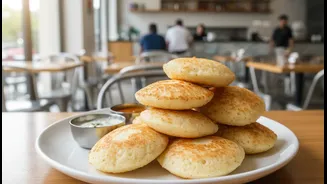
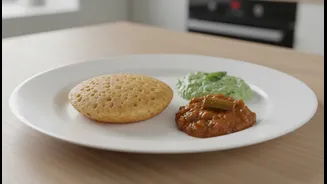
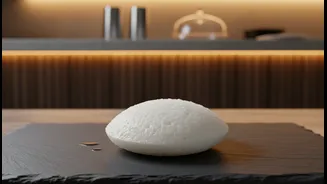
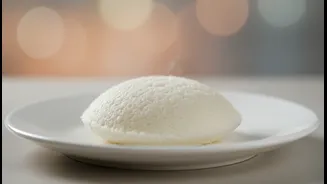
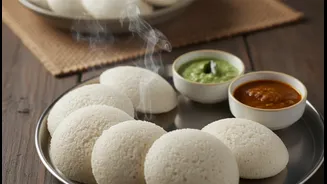
Let's be clear: idli is not just another breakfast item; it's a cultural phenomenon. These steamed, savoury cakes, made from a fermented batter of rice and lentils, are a staple across the country. Their popularity has transcended regional boundaries,
making them a go-to meal for people of all ages. What makes them so special? For one, they are incredibly healthy. The fermentation process not only makes them easy to digest but also increases the bioavailability of nutrients like B vitamins, iron, and calcium. Being steamed, they are low in fat, and their low glycemic index makes them a suitable choice for a wide range of dietary needs. It’s a dish that is light yet fulfilling, often recommended for everyone from toddlers to those recovering from illness.
The Great QSR Paradox
Quick Service Restaurants in India have mastered the art of localisation. Global giants have successfully integrated Indian flavours into their menus, giving us everything from the McAloo Tikki burger to paneer-based pizzas. They understood that to win over the Indian market, they needed to cater to local tastes. This makes their collective oversight of the idli even more baffling. Here is a food that is inherently 'quick' to eat, is universally loved, and aligns perfectly with the growing consumer demand for healthier options. Yet, drive-thrus and fast-food counters remain conspicuously idli-free. While homegrown QSRs are starting to package traditional meals for modern consumers, the major international players are lagging behind, sticking to a formula that ignores one of the nation's most cherished foods.
Solving the 'Impossible' Logistics
The common argument against idli in a QSR setting revolves around logistics. The fermentation of the batter is a time-consuming process, and ensuring consistency at scale can be challenging. Serving it with fresh sambar and chutney adds another layer of complexity. However, these are problems that innovation has already solved. The market is flooded with high-quality, ready-to-use idli batter that maintains its freshness and consistency. Companies like iD Fresh Foods have built billion-rupee brands by cracking the code of mass-producing fresh batter without chemicals or preservatives, using technology to predict demand and manage waste. The idea that preparing and serving accompaniments is too difficult falls flat when you consider the complex supply chains already in place for other customized items.
A Blueprint for the Fast-Food Idli
Imagining the idli on a QSR menu isn't difficult; in fact, the possibilities are exciting. Think beyond the standard plate. How about 'Idli Bites', a shareable box of mini idlis served with a trio of dipping chutneys? Or a 'Podi Idli Shaker Cup', where customers can toss mini idlis in flavourful, spicy powders? For those on the go, an 'Idli Sandwich' with a savoury filling could be the perfect handheld meal. There are already brands like 'We Idliwale' in Pune that are building a modern, casual dining experience around this very concept, proving that idli can be both traditional and trendy. The key is to maintain the core authenticity while adapting the format for speed and convenience, something the QSR industry excels at.
A Missed Multibillion-Rupee Opportunity
Ultimately, this is not just about sentiment; it's about smart business. The demand for idli is immense and proven. In cities like Bengaluru, it's one of the most ordered breakfast items. By ignoring it, QSRs are leaving a massive market untapped. They are failing to capture the millions of consumers who crave a quick, affordable, and healthy meal that feels like home. Integrating idli into their menus would not only be a nod to India’s rich culinary heritage but would also represent a significant commercial opportunity. It's a chance to connect with customers on a deeper, more emotional level while simultaneously boosting their bottom line. The love for idli is real and it's powerful. The first major QSR to truly embrace it won't just be selling a product; they'll be selling a piece of home.