

A Geometric or Sunburst Mirror
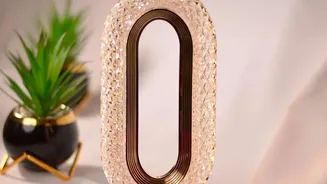
One of the most recognizable motifs of the Art Deco period is the sunburst, a pattern radiating with optimism and energy. A sunburst or geometric mirror is an easy way to introduce this iconic element. Look for pieces with strong, repetitive lines, stepped
edges, or fan shapes in metallic finishes like gold or brass. These mirrors do more than just reflect light to make a space feel larger; they act as a piece of sculptural wall art that instantly anchors a room in the Deco aesthetic. Whether placed above a console table in an entryway or over a fireplace, a geometric mirror adds a dose of period-appropriate glamour and visual interest without overwhelming the space.
A Velvet Armchair With Curves
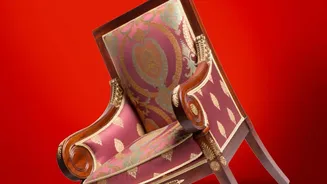
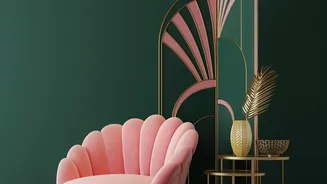
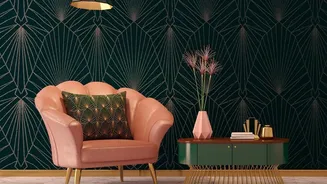
Art Deco design masterfully balances sharp, masculine lines with soft, feminine curves. A plush armchair upholstered in velvet is the perfect embodiment of this principle. Look for chairs with distinctive shapes like a curved, channel-tufted back, a scalloped shell-like silhouette, or a barrel shape. These forms were hallmarks of the era, offering comfort and high style. Rich jewel tones such as emerald green, deep blue, or wine red were popular during the period and add a sense of luxury. Paired with slender metallic legs in gold or brass, a velvet armchair becomes a statement piece that provides both a comfortable reading spot and a powerful nod to 1920s elegance.
A Metallic Statement Floor Lamp
Lighting was a key element in Art Deco interiors, often treated as a piece of sculpture. A statement floor lamp is a functional way to bring this philosophy into your home. Seek out designs that feature geometric shapes, strong vertical lines, and luxurious materials. Finishes like polished chrome, brass, or black lacquer are characteristic of the period. A torchiere lamp, which directs light upward, or a pharmacy-style lamp with an adjustable arm can provide ambient or task lighting while enhancing the Art Deco feel. The combination of sleek metal and diffused light, often through frosted or opaline glass, creates a sophisticated atmosphere that is central to the style.
A Lacquered or Inlaid Sideboard
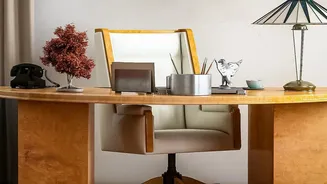
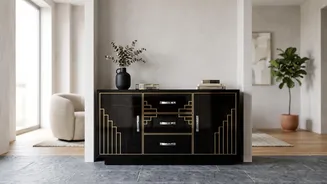
Art Deco furniture is known for its streamlined forms and use of rich, often contrasting materials. A sideboard or console table with a high-gloss lacquer finish or decorative inlay is a fantastic anchor piece. These items often feature exotic woods like walnut or ebony, sometimes paired with metal or mirrored details. The emphasis is on clean lines, symmetry, and sometimes curved or 'waterfall' edges that were popular in the 1930s and 40s. This single piece of furniture offers significant storage while serving as a major focal point in a dining room or living area. Look for fluted doors, geometric hardware, and a solid, substantial presence that feels both modern and historic.
A Bold Geometric Rug
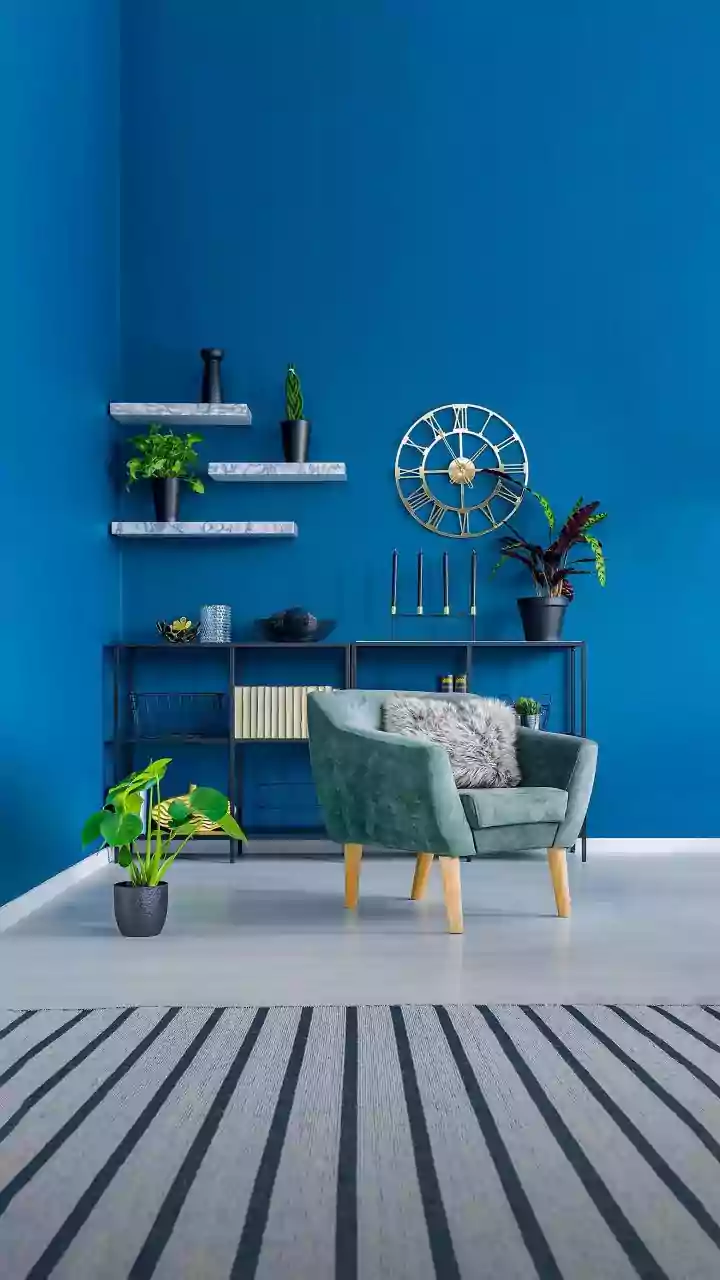
Don't overlook what's underfoot. A rug with a bold, geometric pattern is one of the most effective ways to define a space and introduce Art Deco style from the ground up. The era's design language was filled with repeating motifs like chevrons, zigzags, fans, and stepped forms inspired by architecture. A rug featuring these patterns in a high-contrast palette, such as black and gold or cream and navy, can tie a whole room together. It establishes the geometric foundation of the style and can be paired with relatively simple, modern furniture. This allows the rug to be the primary statement, bringing pattern and rhythm into the room without the commitment of patterned wallpaper or tile.