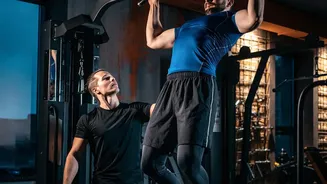







The image of strength training is changing. Once confined to loud gyms and professional bodybuilders, lifting weights is now a cornerstone of wellness for people from all walks of life, many of whom have never owned a gym membership.
From 'Bulky' to a 'Better Life'
For years, a persistent
myth, particularly among women, was that lifting weights inevitably leads to a 'bulky' physique. This misconception created a barrier, pushing many towards cardio-centric routines. Today, that narrative is being rewritten. The focus has shifted from aesthetics alone to functional fitness—the ability to perform daily activities with ease and without injury. People are discovering that strength is not about the size of your muscles, but what they allow you to do: carry groceries up several flights of stairs, play with your children without getting tired, and maintain independence well into your later years. This practical approach has demystified weightlifting, reframing it as a tool for a more capable and resilient life, not just an intimidating sport.
The Gym Comes Home
A major catalyst for this trend has been the increased accessibility of fitness. The need to work out from home spurred a boom in home-based exercise, a habit that has stuck. People realised they didn't need a sprawling, machine-filled gym to get strong. The market responded with a surge in user-friendly equipment, from adjustable dumbbells and kettlebells to resistance bands and online training apps. This removed one of the biggest hurdles for many: 'gymtimidation'. The ability to learn and practice in the privacy of one's own home, guided by virtual trainers, has empowered countless individuals to start their strength journey on their own terms. Formal gym penetration in India remains low, but a growing number of people now engage with guided workouts and strength training content at home.
Training for Tomorrow: Longevity and Mental Health
The conversation around fitness has matured, moving towards the concept of 'healthspan'—the number of years we live in good health. Strength training is central to this idea. Research consistently shows its power to increase bone density, reducing the risk of osteoporosis, a significant concern, especially for women after menopause. It also helps regulate blood sugar, improves heart health, and boosts metabolism. Beyond the physical, the mental health benefits are profound. Strength training is proven to reduce symptoms of anxiety and depression by releasing mood-boosting endorphins like dopamine and serotonin. The act of getting progressively stronger also builds confidence and mental resilience, providing a powerful tool for managing life's stresses.
You Don't Need to Be an Expert to Start
The beauty of this modern strength movement is its inclusivity. Starting is simpler than ever. For absolute beginners, bodyweight exercises like squats, push-ups, and planks are a fantastic way to build a foundation without any equipment. As you progress, simple tools like resistance bands can add challenge. The key is to focus on proper form over heavy weight to prevent injury. Many experts suggest that just two to three 30-minute sessions a week can yield significant health benefits. In India, this shift is noticeable, with a growing number of people, including those over 50, embracing strength training to improve balance, prevent injury, and enhance their quality of life. The goal is consistency, not intensity, making it a sustainable practice for the long haul.