



The Ancient Grain Comeback
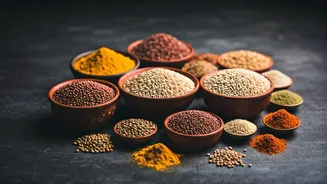
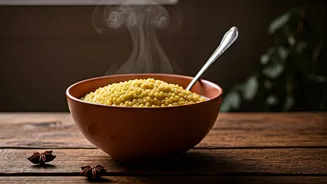
White rice and refined wheat chapatis are taking a backseat. Young, health-conscious Indians are rediscovering the nutritional powerhouse of ancient grains that their grandparents once ate. Millets like jowar, bajra, and ragi are making a huge comeback,
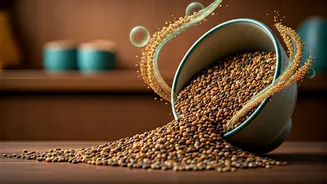
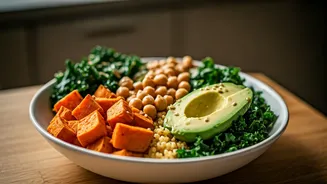
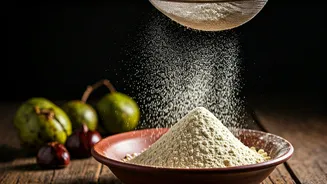
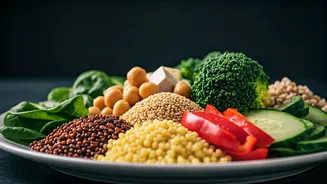
not just in traditional rotis but also in modern forms like millet bowls, porridges, and even baked goods. These grains are gluten-free, high in fibre, and packed with essential minerals. They provide sustained energy, aid digestion, and help manage blood sugar levels, making them a smart swap for their refined counterparts. Quinoa and amaranth, though not traditionally Indian, have also been seamlessly integrated into this trend for their complete protein profiles.
Prioritising Gut Health
The conversation has shifted from just being 'full' to feeling 'good' from the inside out. There's a growing awareness that a healthy gut is the foundation of overall wellness, impacting everything from immunity to mental clarity. This has led to a surge in the popularity of fermented foods and probiotics. While homemade dahi has always been a staple, the modern approach includes a wider variety. You'll find young Indians brewing their own kombucha, experimenting with fermented drinks like kanji, and incorporating kimchi and sauerkraut into their meals. The goal is to cultivate a healthy gut microbiome, which is seen as a proactive step towards long-term health.
Plant-Based Protein Beyond Paneer
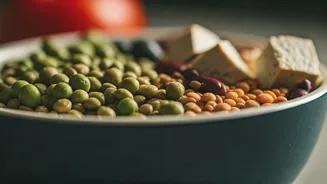
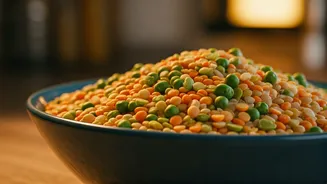
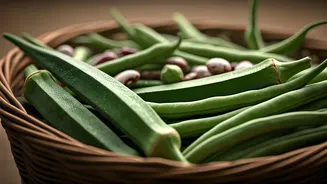
For generations, paneer and dal were the default vegetarian protein sources. While still loved, the new generation is diversifying its protein intake significantly. Legumes like chickpeas, kidney beans, and a vast variety of lentils are being used in more creative ways, from hummus and bean salads to protein-packed pastas. Soy products like tofu and edamame have also found a firm place in their kitchens. This shift is driven by a better understanding of nutrition and the need to build muscle and stay energised without relying solely on dairy. It’s about creating a more robust, varied, and effective vegetarian diet.
Veganism Goes Mainstream
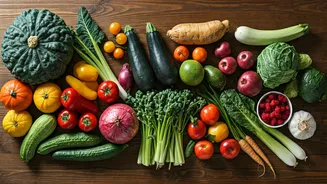
Once considered a niche or extreme choice, veganism is steadily gaining traction among young urban Indians. This habit goes beyond just diet; it’s a lifestyle choice driven by a combination of ethical concerns for animals, environmental sustainability, and perceived health benefits like reduced inflammation and better skin. Giving up dairy—a cornerstone of the traditional Indian diet—is the biggest hurdle, but an explosion of plant-based alternatives for milk (almond, soy, oat), cheese, and even ghee has made the transition easier. This trend is heavily influenced by global wellness movements and social media, where influencers share compelling vegan recipes and success stories.
Mindful Snacking and Clean Labels
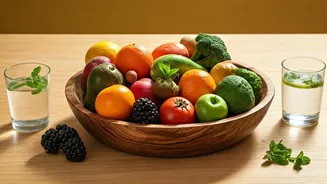
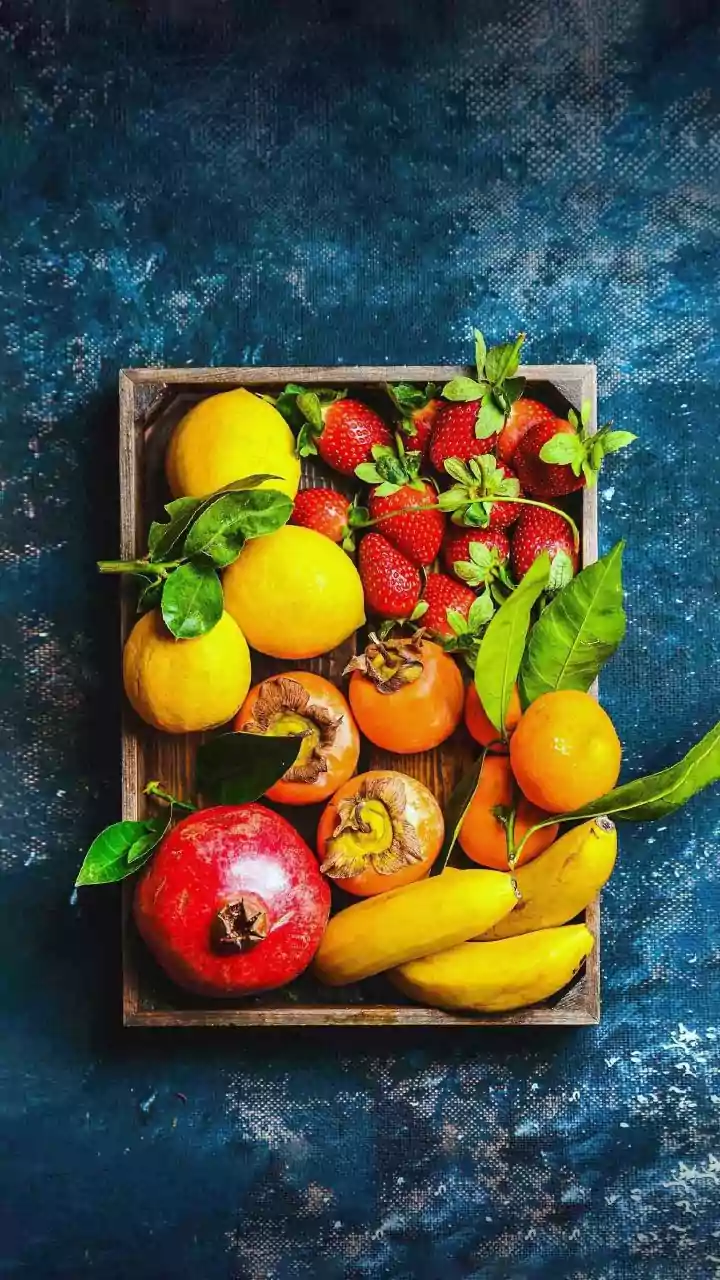
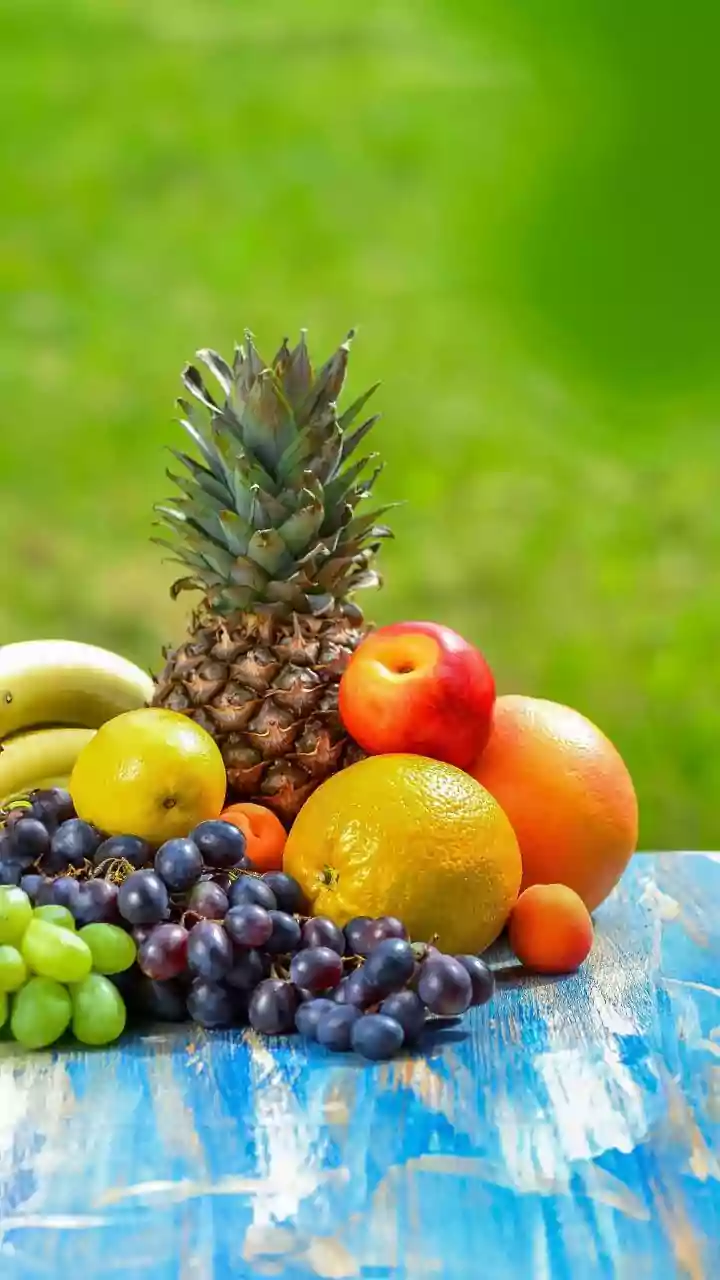
The era of grabbing a random packet of fried chips is fading. Mindful snacking is the new rule. Young Indians are actively seeking out healthier options to fuel their busy days. This means swapping processed snacks for roasted makhana (fox nuts), nutrient-dense seed and nut mixes, fruit, and granola bars with clean ingredients. There's a growing culture of reading labels and rejecting products with artificial preservatives, high sugar content, or unpronounceable chemicals. The preference is for whole foods and minimally processed snacks that offer functional benefits, whether it's an energy boost before a workout or a light bite that doesn't cause a post-snack slump.