


What are the Proposed BS-VII Norms?
In October 2026, the Ministry of Road Transport and Highways released draft notifications for the BS-VII emission standards, which are aligned with Europe's stringent Euro 7 norms. The government plans a phased rollout, starting with newly manufactured
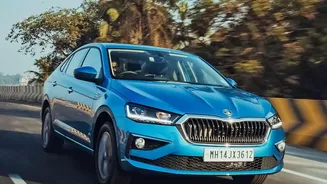
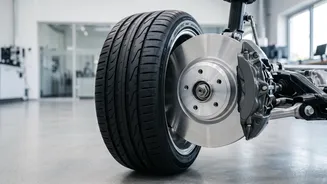
passenger cars and SUVs from April 1, 2029. Light commercial vehicles would follow in 2030, and heavy vehicles like buses and trucks from 2031. Unlike the jump from BS-IV to BS-VI in 2020, this transition isn't just about stricter tailpipe emission limits for pollutants like nitrogen oxides (NOx). A major part of the BS-VII framework involves regulating new areas, such as particulate matter from brakes and tyres, ensuring the durability of EV batteries, and implementing more rigorous real-world emissions testing.
The Core Issue: An Ambitious Timeline
While the auto industry supports cleaner air, its primary concern is the speed of implementation. The proposal caught many manufacturers by surprise, who argue the April 2029 deadline is too tight. The Society of Indian Automobile Manufacturers (SIAM), the industry's main lobby group, has reportedly discussed seeking a delay, proposing a two-stage rollout beginning in 2032 and then 2035. Automakers feel this schedule doesn't provide the adequate lead time needed for the significant technological re-engineering, testing, and validation required to meet the new, complex standards. Executives warn that this compressed timeline could disrupt product launch plans for models scheduled between 2027 and 2030.
Technological and R&D Hurdles
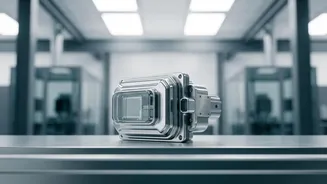
The BS-VII norms go far beyond engine tweaks. For the first time, regulations will cover non-exhaust emissions, like brake dust and tyre wear. This requires a completely new area of research and development. Furthermore, the new rules mandate advanced on-board diagnostics and monitoring systems that can flag when a vehicle's emissions exceed set limits in real-world driving conditions. The standards also require particle-number testing to measure much smaller particles (down to 10 nanometres from 23), which demands more sensitive technology. For electric vehicles, there are new battery durability standards, requiring them to retain a certain percentage of performance over several years. Industry leaders are concerned that diverting substantial engineering resources to meet these varied challenges for their internal combustion engine (ICE) portfolios could slow down their development of electric vehicles.
Investment and Cost Implications
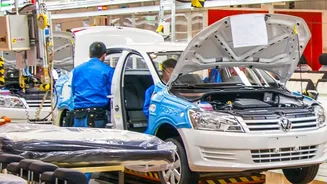
Upgrading technology on such a massive scale requires huge investments in R&D, retooling of production lines, and extensive testing infrastructure. The previous transition to BS-VI norms was a costly affair for the industry, and manufacturers are wary of another intensive investment cycle so soon. While the BS-VII transition won't require oil refineries to upgrade fuel—a major cost during the BS-VI shift—the entire financial burden will fall on automakers this time. These increased development and compliance costs could ultimately be passed on to consumers, potentially making vehicles more expensive. This is a significant concern in a price-sensitive market like India, where affordability is a key driver of demand.
The Path Forward: A Call for Dialogue
The government has invited suggestions and objections on the draft rules, opening a window for dialogue with industry stakeholders. The final implementation schedule will depend on this consultation process. Automakers are not against the new norms but are pleading for a more pragmatic timeline that allows for a smoother, more economically viable transition. They argue that a staggered approach would ensure that the goals of reducing pollution are met without destabilising the industry or placing an excessive burden on consumers. The coming months will be crucial as both sides negotiate a path that balances environmental responsibility with industrial reality.