

The Enduring Legacy of Filter Coffee
For generations, especially in South India, mornings have been synonymous with 'kaapi'. Filter coffee is not merely a drink; it's a cultural ritual. Its history traces back to the 17th century when the Sufi saint Baba Budan reportedly smuggled seven coffee beans
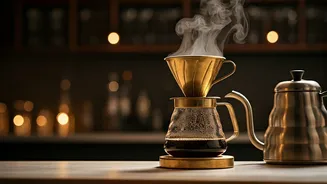
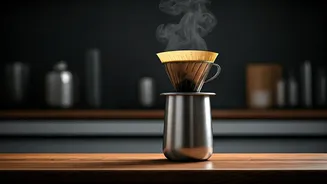
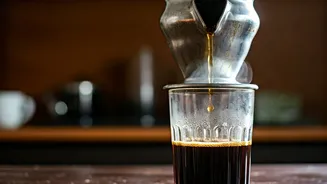
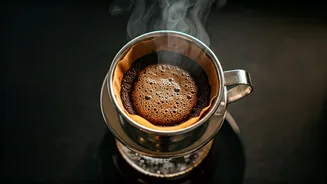
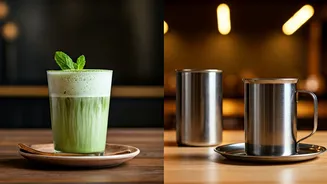
into India. The preparation itself is an art form: a finely ground blend of dark-roasted coffee beans and chicory is slowly brewed in a traditional metal filter, producing a thick decoction. This is then mixed with hot milk and aerated by being poured back and forth between two tumblers, creating a frothy, soul-warming beverage that is a symbol of hospitality and tradition. It is an integral part of daily life, served to guests as a welcoming gesture and enjoyed in countless households and roadside 'darshinis'.
The Green Wave: Matcha's Modern Appeal
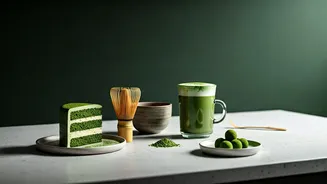
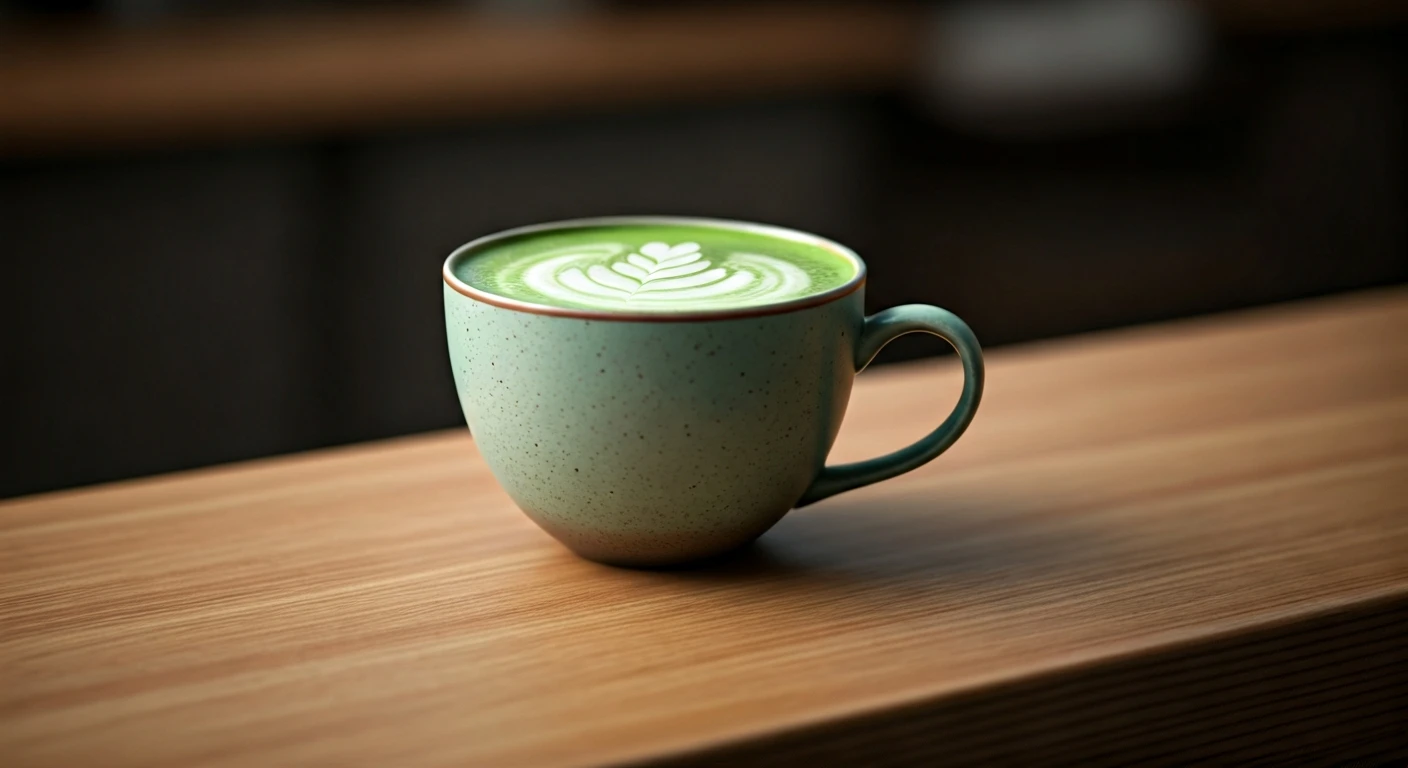
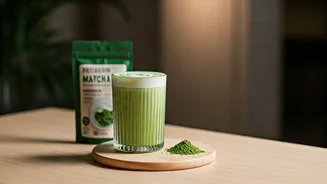
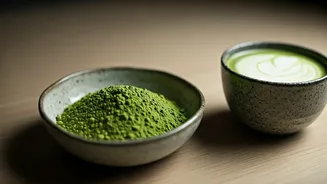
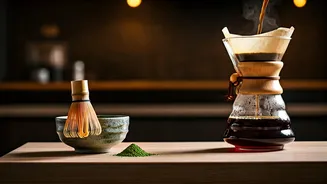
Enter matcha, the finely ground powder of specially grown and processed green tea leaves from Japan. Its recent surge in popularity across urban India is driven by a confluence of factors. Millennials and Gen Z, influenced by global wellness practices and social media, have embraced matcha for its health benefits and aesthetic appeal. The drink's vibrant green colour makes it highly Instagrammable, turning it into a cultural marker of a modern, mindful lifestyle. Once a niche item, matcha is now a staple on the menus of trendy cafes from Bengaluru to Mumbai, featured in lattes, smoothies, and even desserts. This isn't just a passing fad; it represents a significant shift towards healthier, more intentional consumption choices.
A Tale of Two Tastes
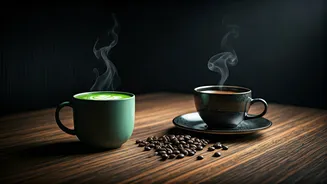
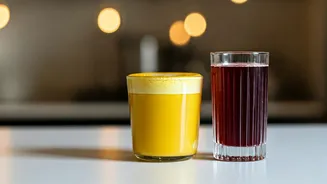
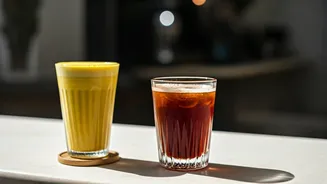
The flavour profiles of filter coffee and matcha are worlds apart. South Indian filter coffee, with its chicory blend, offers a bold, roasted, and slightly bitter taste, often balanced with milk and sugar to create a rich, comforting flavour. Matcha, on the other hand, has a more complex profile. High-quality matcha is characterized by its earthy, umami, and slightly sweet notes, with a velvety texture when whisked correctly. While some find its taste grassy, others appreciate its unique, sophisticated flavour. This contrast highlights the expanding beverage palate in India, where consumers are now exploring more layered and nuanced tastes beyond the traditional.
The Health Equation
Much of matcha's appeal stems from its reputation as a superfood. It is packed with antioxidants, particularly EGCG (epigallocatechin gallate), which is linked to various health benefits. Matcha also contains L-theanine, an amino acid that promotes a state of 'calm alertness', providing sustained energy without the jitters often associated with coffee. Filter coffee is no slouch either; it's a potent source of antioxidants like chlorogenic acid and has been linked to a reduced risk of several diseases. The caffeine in filter coffee provides a quicker, more robust energy boost. The choice often comes down to personal preference: the sharp, immediate wake-up call of coffee versus the gentle, sustained focus offered by matcha.
The Price of a Cup
The economic divide between these two beverages is stark. A cup of filter coffee at a traditional South Indian eatery can cost as little as ₹15 to ₹40. It remains one of the most affordable and accessible beverages in the country. Matcha, however, is positioned as a premium product. Due to the complexities of its cultivation and production, high-quality matcha is expensive to source. A matcha latte at a specialty cafe in a metro city can easily cost between ₹350 and ₹450. This price difference makes matcha an aspirational product for many, a symbol of affordable luxury and global sophistication.