





More Than Just Hot Oil
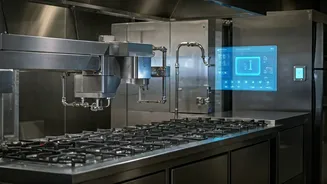
At first glance, the fry station in a modern fast-food restaurant looks the same as it always has. Look closer, however, and you’ll find the heart of a technological revolution. Fryers, grills, and ovens are being embedded with sensors and connected to
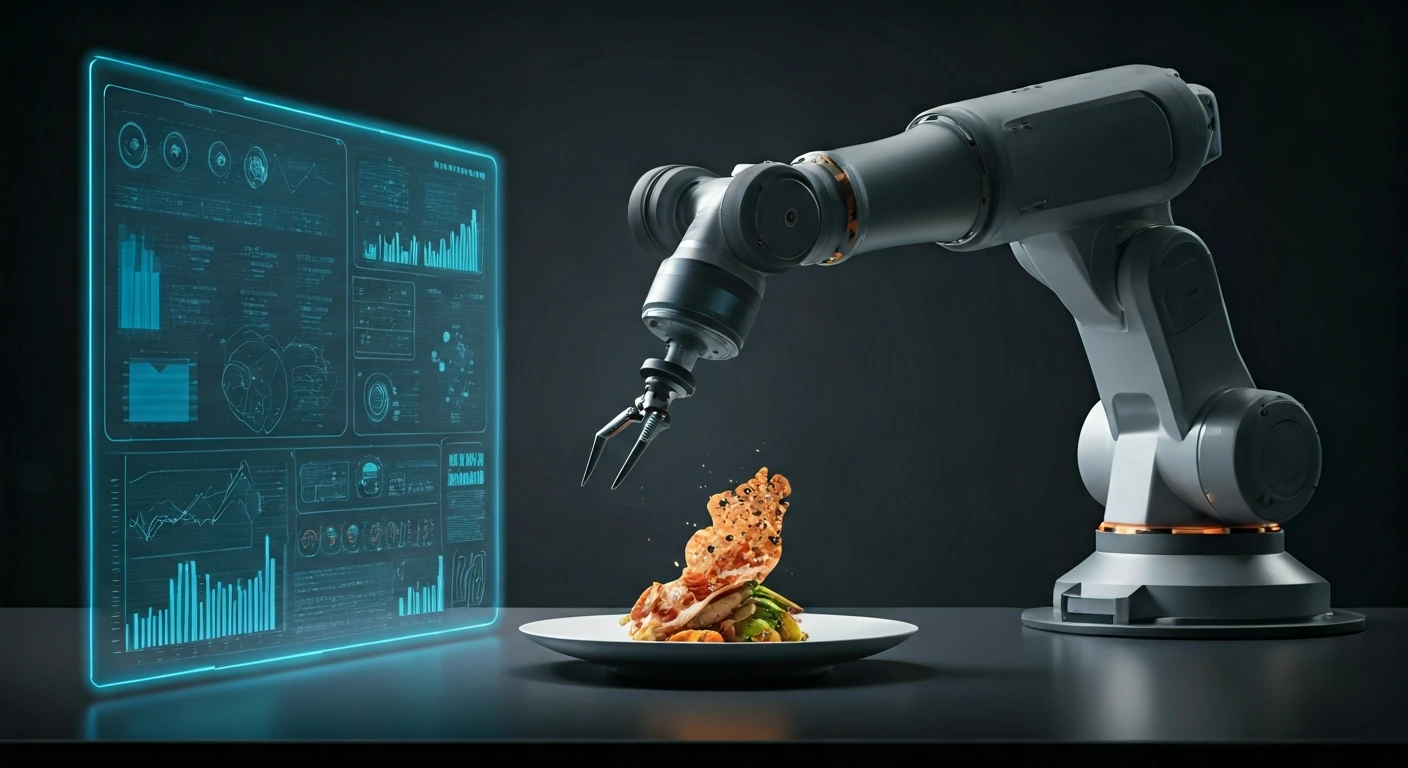
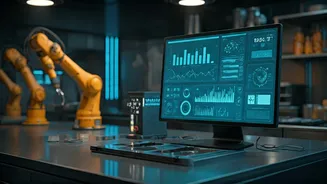
the internet, transforming them from standalone appliances into smart, data-collecting nodes in a larger system. This network of devices forms what is known as the Internet of Things (IoT), where every piece of equipment can communicate its status, performance, and needs in real-time. This constant stream of information allows restaurant operators to monitor everything from oil temperature and cooking times to energy consumption, creating a complete digital picture of their kitchen operations.
The Brains Behind the Basket
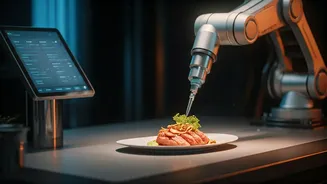
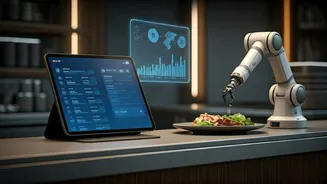
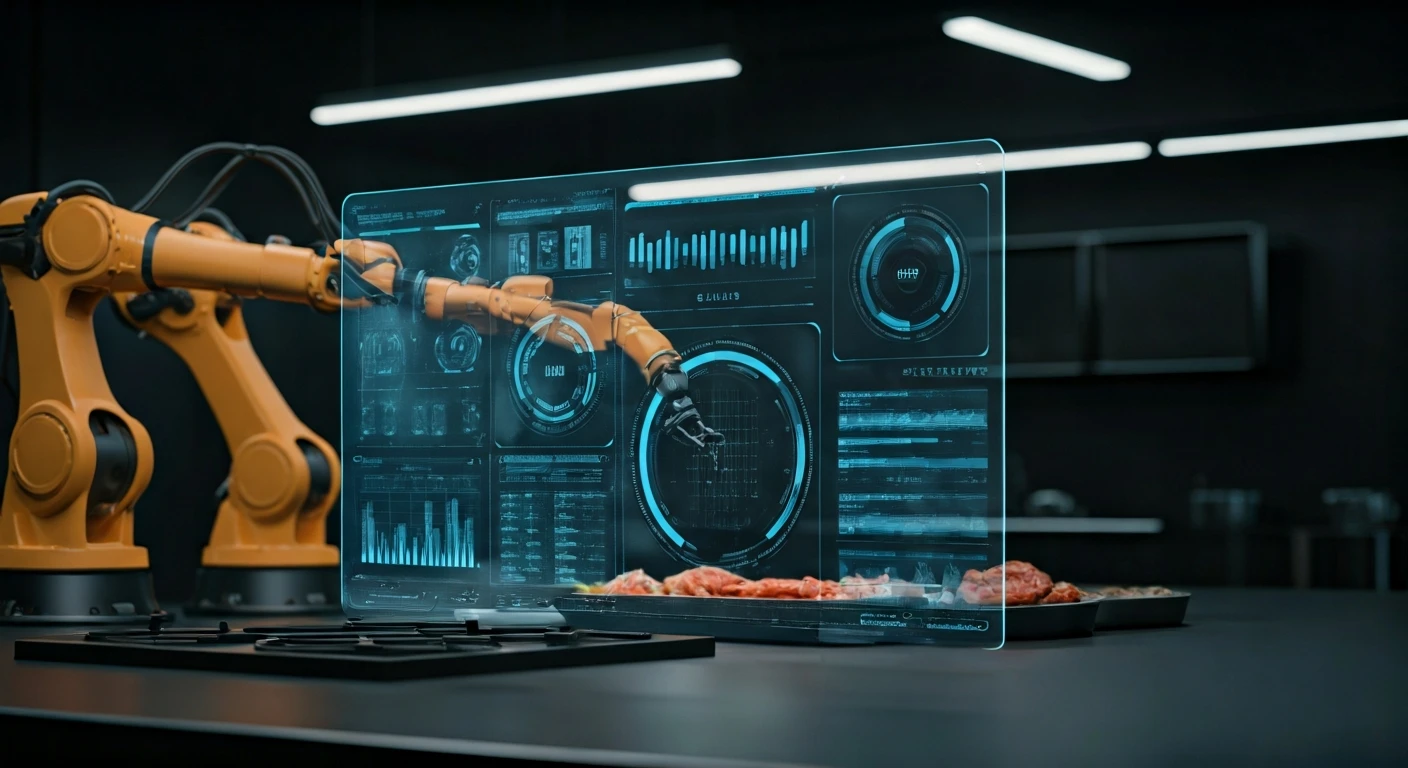
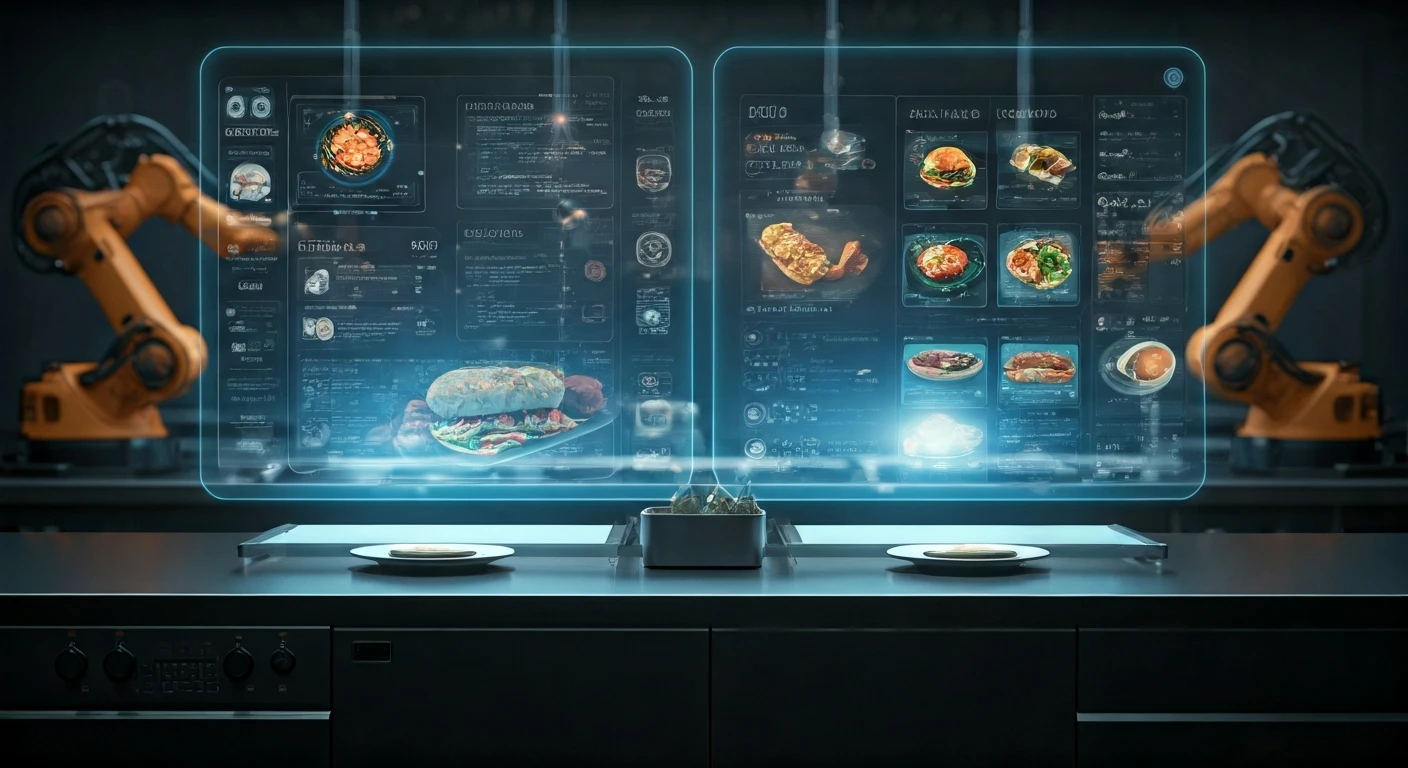
Collecting data is only half the battle; the real magic happens when artificial intelligence (AI) and machine learning algorithms begin to analyze it. These AI systems act as the central brain, processing information from every connected appliance. For example, an AI can analyze historical sales data, factor in external variables like weather or local events, and then predict exactly how many kilograms of fries a restaurant will need on a given Saturday. This predictive power allows kitchens to optimize food preparation, ensuring ingredients are ready just in time for demand surges, which reduces waste and cuts down on customer wait times. Leading companies like Miso Robotics have developed robotic arms, such as "Flippy," that can autonomously operate a fry station, from filling baskets to emptying the perfectly cooked product. These systems use computer vision to monitor food quality and ensure every single batch meets brand standards.
The Quest for the Perfect Fry
The primary driver behind this tech adoption is the pursuit of consistency and efficiency. For large chains like White Castle and Yum! Brands, ensuring that a serving of fries tastes the same in Mumbai as it does in Manhattan is a core part of their brand promise. AI-powered equipment removes the variables of human error and staff turnover, guaranteeing precise cooking times and temperatures for every order. The benefits extend beyond quality control. Smart systems can reduce energy consumption by up to 30% and optimize oil management, a significant expense for fry-heavy operations. By accurately forecasting demand, restaurants can slash food waste by as much as 40%, directly impacting their bottom line. This level of operational intelligence turns the kitchen from a cost center into a highly optimized engine of profitability.
The Human Element in an Automated Kitchen
The rise of kitchen automation naturally raises questions about the future of restaurant jobs. However, many experts see this shift not as a replacement of human workers, but as a collaboration. By automating repetitive, physically demanding, and often hazardous tasks like deep frying, employees are freed up to focus on roles that require a human touch, such as customer service, quality control, and creative problem-solving. The technology can reduce the cognitive load on staff, who are guided by data-driven insights rather than having to make constant judgment calls during a high-pressure rush. Still, challenges remain. The initial investment for this technology can be substantial, though pricing models are becoming more accessible. There is also the task of integrating these complex systems into existing kitchen workflows and training staff to work alongside their new robotic assistants.