








What Are 'Connected Travel Rewards'?
For the savvy Indian traveller, loyalty has often been a fragmented game of collecting miles with one airline and points with another hotel chain, hoping they add up to something useful. The 'connected travel rewards' model challenges this by creating
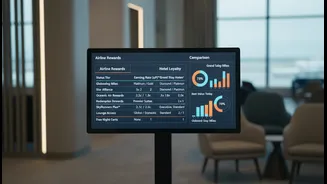
a unified ecosystem. Instead of points being locked into a single brand, they can be earned across different services—flights, hotels, shopping, and dining—and, crucially, be moved between them. A recent, significant example in India is the partnership between IndiGo's BluChip program and Accor's ALL hotel loyalty program. This allows members to convert their airline rewards into hotel points and vice versa, creating a two-way street for rewards that was previously unheard of in the Indian market. This isn't about just one more way to earn; it's about creating a flexible currency that follows the traveller through their entire journey.
Beyond Airline-Specific Miles
The traditional frequent flyer model is simple: fly with an airline, earn its miles, and redeem them for a flight or an upgrade on that same airline or its close partners. While programs like Air India's Maharaja Club offer extensive global reach through the Star Alliance, allowing you to earn and burn points on partner airlines like Lufthansa and Singapore Airlines, your points are still fundamentally tied to the airline world. The new connected model breaks down these silos. Multi-partner loyalty programs and flexible credit card rewards have been paving the way for this shift. Cards from providers like American Express and HDFC have long allowed users to transfer points to various airline and hotel partners. The IndiGo-Accor partnership takes this a step further by creating a direct, reciprocal link between a major domestic airline and a global hotel chain, a first for India. This means your weekly domestic work flights could directly fund a free hotel stay for your next family holiday.
A New Look at Fares and Flexibility
This shift comes at a critical time for Indian travellers, who are facing rising airfares and volatile pricing. In the first quarter of 2026, domestic fares rose over 8% year-over-year, and booking windows have shrunk, pushing more travellers into higher price brackets. In this environment, flexibility is not just a convenience; it's a cost-saving strategy. Reward points can act as a hedge against sudden price spikes, but their value is limited if they can't be used when and where you need them. Connected rewards enhance this flexibility. If a flight award chart seems too expensive for an upcoming trip, you now have the option to convert those points into a hotel stay where you might get better value. This ability to move value across different travel categories gives consumers more power to sidestep restrictive redemption options and find the best deal for their specific journey, whether that’s a flight, a hotel, or another experience.
Is This a Good Deal for You?
Whether this new model works in your favour depends entirely on your travel habits. If you are a die-hard loyalist to one airline alliance and consistently find value in its rewards, a dedicated program may still serve you best. However, for the majority of travellers who mix and match airlines and hotels based on price and convenience, a connected ecosystem offers undeniable advantages. It rewards a broader range of spending and provides more redemption avenues. The key is to pay attention to the transfer ratios. Converting points from one program to another is rarely a one-for-one exchange. Before making a transfer, it's crucial to calculate the final value you're getting. Is a free night at a mid-range hotel worth more to you than a potential flight upgrade? The power of connected rewards lies in having that choice.