





A Breaking Point for Passengers
The finding comes from the SITA 2026 Passenger IT Insights report, a major industry survey of nearly 8,000 travellers across 24 countries. It reveals a clear and costly trend: the friction of the travel experience itself is deterring a huge portion of potential
customers. This isn't just an issue of inconvenience; it's a direct hit to the aviation industry's bottom line. As SITA's CEO David Lavorel puts it, 'Every trip we win back is a seat filled, a parking space sold and a coffee bought'. The problem is particularly pronounced among the industry's most valuable customers. The survey found that six in ten frequent flyers and more than half of travellers under 30 have abandoned a trip due to anticipated stress, threatening the sector's relationship with both its loyal base and its next generation of customers.
The Anatomy of Travel Anxiety
So, what specific parts of the journey are causing passengers to stay home? According to the SITA report, the core issues boil down to uncertainty and a lack of control. Passengers identified delays, long queues, and baggage handling as their primary sources of frustration and anxiety. Much of this stress comes from 'not knowing what happens next'. One of the most stressful phases is now the period after security but before boarding. A third of passengers report feeling anxious during this 'dwell time', a threefold increase from 2023. Border control was also identified as a major pain point, with 37% of all travellers finding the experience stressful due to unclear requirements and unpredictable wait times.
Technology: The Double-Edged Sword
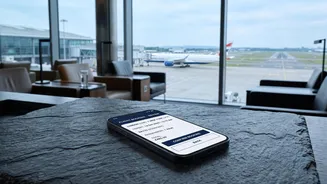
While technology is often touted as the cure for travel woes, its implementation is critical. The good news for the industry is that passengers believe in its potential. Eight out of ten travellers surveyed believe technology can help make air travel less stressful. The key is focusing on technology that provides clarity and control. Passengers are calmest during check-in and boarding, stages where the journey is often managed on their phone. The goal is to extend that feeling of control to the entire process. The survey suggests solutions that provide real-time information are most desired. This includes mobile alerts about flight changes, live information on security wait times, and clear walking distances to gates displayed on airport screens.
A Path to a Calmer Journey
The report highlights that the solution lies in better data sharing between airlines, airports, ground handlers, and border agencies. When these entities share what they know, technology can deliver timely updates to passengers before they even need to ask. For example, the United Arab Emirates has seen success in this area. In the UAE, 77% of passengers used technology at border control, and only 13% reported negative emotions during that stage, compared to 37% of travellers globally. Furthermore, passengers are increasingly open to new technologies if they reduce friction. Four in ten are comfortable receiving real-time travel updates generated by AI. The message from passengers is clear: they are willing to embrace digital solutions, from biometrics to AI, as long as they deliver a smoother, more predictable journey.