





The thought of jump rope training can be intimidating, often associated with complex footwork and exhausting speed. But the secret to this powerful workout isn't intensity—it's intelligence. By using manageable intervals, anyone can start.
More Than Just a Playground Toy
Before diving
into the 'how', let’s cover the 'why'. Jumping rope is one of the most efficient and effective workouts available. It's a full-body exercise that boosts cardiovascular health, improves coordination and agility, and burns a significant number of calories in a short amount of time. Studies have shown that just ten minutes of daily jump rope can provide similar cardiovascular benefits to thirty minutes of jogging. It’s a low-cost, portable gym that engages your legs, core, and upper body simultaneously, making it an excellent tool for anyone looking to improve their overall fitness. The key is to start in a way that builds confidence rather than causing burnout.
Finding the Right Rope for You
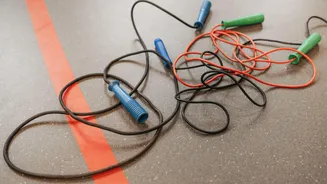
Choosing the right rope is the first step to success and can prevent a lot of frustration. While you might see experts using thin 'speed ropes', these are often too light for beginners to feel the rope's rotation, making timing difficult. A slightly heavier rope, like a beaded rope or a 5mm PVC rope, provides better feedback, helping you develop rhythm. Some trainers even recommend a lightly weighted rope because the slower, more deliberate rotation gives you more time to coordinate your jumps. To find the right length, stand on the middle of the rope with one foot. The handles should reach your armpits. It's better to start with a rope that's slightly too long rather than too short, as you can always adjust it.
Before You Jump: Perfect Your Form
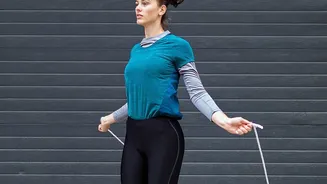
Good form prevents injury and makes jumping rope feel much smoother. Before you even start swinging the rope, practice the basic bounce. Stand with your feet together and practice hopping on the balls of your feet, keeping your jumps low—no more than an inch or two off the ground. Your heels should only lightly 'kiss' the ground, and your knees should remain slightly bent to absorb the impact. When you add the rope, the rotation should come from your wrists, not your arms or shoulders. Keep your elbows tucked in close to your body and your hands positioned slightly out to the sides of your hips. Moving your entire arms is a common mistake that leads to fatigue and poor control.
Your First Interval Workout
Interval training is the perfect entry point for beginners. Instead of trying to jump for several minutes straight, you’ll alternate short bursts of jumping with rest periods. This approach builds stamina without overwhelming you. Here is a simple plan to get started:
1. Warm-Up (3–5 minutes): Start with some light jogging in place, jumping jacks, and arm circles to prepare your body.
2. The Interval Set:
Jump for 30 seconds at a comfortable pace.
Rest for 30 to 60 seconds. This is one round.
3. Repeat: Aim to complete 5 to 10 rounds.
Your goal is not speed but consistency. Focus on maintaining good form during the 30–second jump period. If you trip, just reset and keep going until the time is up. This structure makes the workout feel achievable and allows your body to adapt. Many beginner workouts follow a similar work–to–rest ratio.
Ready for the Next Level?
Once you can comfortably complete your initial interval workout three times a week, you can start to progress. There are several ways to increase the challenge. You can decrease your rest time (e.g., 30 seconds of jumping, 30 seconds of rest), increase your work time (e.g., 45 seconds of jumping, 45 seconds of rest), or increase the total number of rounds you complete in a session. As your coordination improves, you can also begin to introduce new footwork patterns, like the alternate foot step (shifting your weight from one foot to the other, as if jogging in place). The key is to make small, incremental changes to continue challenging yourself without sacrificing your form.