
The Burnout of the Blitz Trend
Not long ago, trends followed a predictable seasonal rhythm. Today, social media platforms have collapsed that cycle, creating what are known as "microtrends." These are hyper-specific, short-lived fads—think of a particular pattern, a niche aesthetic
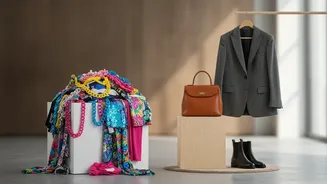
like "goblincore," or a single accessory—that can emerge, peak, and disappear in a matter of weeks. Propelled by algorithms that reward novelty, fast-fashion brands churn out these styles at a dizzying pace, creating an environment where garments can feel dated almost as soon as they are purchased. This constant churn has led to a widespread feeling of "fashion fatigue," a sense of exhaustion from the pressure to keep up with a cycle that is financially and mentally unsustainable.
Economic and Environmental Sense
The turn toward longevity is also a practical response to modern realities. With rising living costs, many are rethinking their spending habits. The low initial price of fast fashion is often a false economy; poor-quality garments require frequent replacement, leading to higher costs in the long run. At the same time, awareness has grown around the staggering environmental toll of this model. The fashion industry is a major global polluter, responsible for a significant share of carbon emissions, water pollution, and textile waste. Many consumers are no longer willing to participate in a system that encourages a throw-away culture, where clothing is treated as disposable. Choosing well-made, durable pieces is a way to align their closet with both their budget and their values.
The Quest for Personal Identity
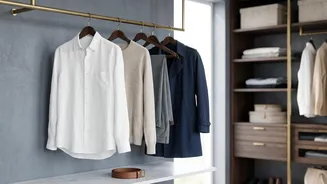
Beyond the practicalities, this movement is about a deeper search for authenticity. Chasing microtrends often means adopting a pre-packaged look rather than cultivating a personal one. In contrast, building a wearable wardrobe is an act of self-definition. It’s about choosing clothes that reflect a genuine identity, not just participating in a fleeting online fad. This has fueled interest in concepts like the "capsule wardrobe," a curated collection of versatile, high-quality essentials that can be mixed and matched. The goal isn't to have more clothes, but to have more clarity and confidence in what you wear. It’s a shift from asking "what's in style?" to "what's my style?"
Comfort Is the New Cornerstone
The definition of comfort has also evolved. It's no longer just about loungewear; it's about clothing that supports real life without sacrificing style. Consumers are gravitating towards more relaxed, flowing silhouettes that offer ease of movement and don't require constant adjustment. These pieces provide both physical and psychological breathing room, working with the body instead of constricting it. A wearable wardrobe is built on this foundation of practical comfort, featuring pieces that feel as good as they look. It prioritizes durable, breathable fabrics and designs that can be layered and adapted across seasons, ensuring that style serves life, not the other way around.
Building a Wardrobe That Lasts
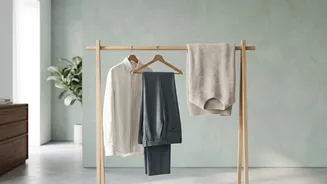
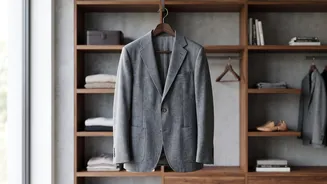
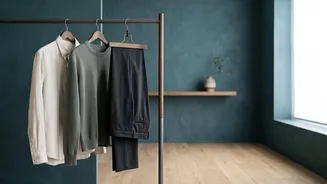
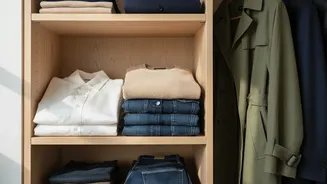
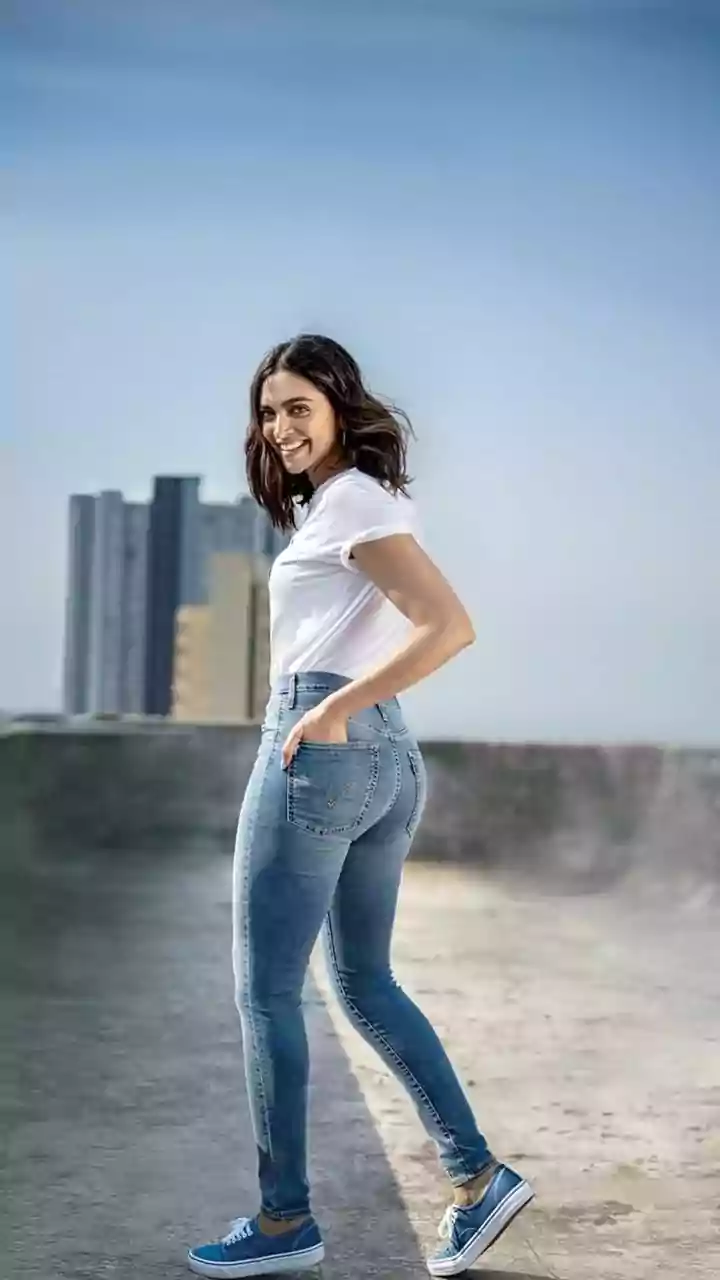
So how does one transition from trend-hopper to style-builder? It starts with intentionality. Rather than making impulse buys driven by a viral video, the focus shifts to investing in foundational pieces: a great pair of jeans, a versatile jacket, classic tops in neutral colors. It's about quality over quantity—choosing fabrics that will endure and silhouettes that have proven their staying power. This approach doesn't mean giving up on being fashionable. Instead, it’s about using timeless basics as a canvas and adding personality through accessories or select trend-aware pieces. The wardrobe becomes a curated collection of beloved items rather than a chaotic closet full of one-wear wonders.