


The Power Of Kuttu (Buckwheat)
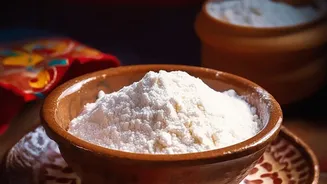
Despite its name, buckwheat or 'kuttu' is not a type of wheat. It's a pseudocereal, a seed from a fruit, which is why it's permitted during Hindu fasts when grains are avoided. Kuttu ka atta (buckwheat flour) is a nutritional powerhouse, making it an
ideal choice for maintaining energy levels while fasting. It is naturally gluten-free and packed with high-quality protein, containing all eight essential amino acids. It is also rich in dietary fibre, which aids digestion and helps prevent the bloating that can sometimes accompany festive diets. Furthermore, it is a good source of minerals like magnesium, which supports muscle and nerve function. Its low glycemic index ensures a slow release of energy, keeping you feeling full and energetic for longer. Common vrat dishes made with kuttu include 'kuttu ki poori' (deep-fried bread), parathas, cheelas (savoury pancakes), and even halwa. The flour has a distinct nutty flavour that pairs wonderfully with potatoes, a common ingredient in fasting meals.
The Versatile Sama (Barnyard Millet)
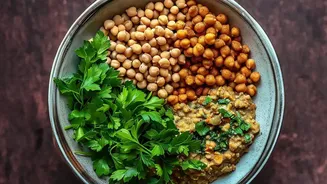
Sama, also known as 'vrat ke chawal' or barnyard millet, is another fasting superstar. These tiny, round, cream-coloured grains are a fantastic gluten-free substitute for rice during vrat. Belonging to the millet family, Sama is light on the stomach and easy to digest. It is valued for being a good source of carbohydrates, providing essential energy for the day. Rich in dietary fibre, it promotes a feeling of fullness, helping to curb hunger pangs between meals. Sama is also a good source of iron and protein. Its neutral taste allows it to absorb the flavours of the spices it's cooked with, making it incredibly versatile. You can use it to make a variety of dishes, from a simple 'pulao' with peanuts and potatoes to a comforting 'khichdi' or a sweet 'kheer' (pudding). Its texture after cooking is soft and slightly chewy, similar to couscous or broken wheat.
The Mighty Makhana (Fox Nuts)
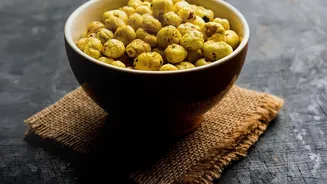
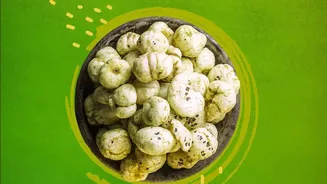
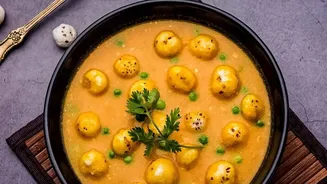
Makhana, or fox nuts, are the popped seeds of the prickly water lily plant. Considered a 'phalahar' (fasting-friendly) food, they are a popular snack during Navratri, Ekadashi, and other fasts. These airy, crunchy puffs are not only delicious but also incredibly nutritious. They are low in calories and fat, yet high in protein and fibre, which helps in keeping you satiated. This makes them a much healthier alternative to deep-fried fasting snacks. Makhana is an excellent source of essential minerals like calcium, magnesium, and potassium. They are also gluten-free and have a low glycemic index, ensuring a steady supply of energy without causing sharp spikes in blood sugar. The most common way to eat makhana during a vrat is to simply roast them in a little ghee and sprinkle with rock salt (sendha namak). They can also be added to 'raita' (yogurt dip), made into a creamy 'kheer', or used in savoury curries.