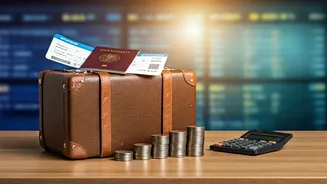









The Visa Squeeze Gets Tighter
Getting the visa is the first major step in international travel, and it’s becoming a more expensive one. A prime example is the Schengen visa, the key to accessing 29 European countries. The European Commission recently increased the basic fee for a short-stay
visa from 80 euros to 90 euros for adults. For a family of four, that adds up quickly. But the cost doesn't stop there. On top of the official visa fee, you have mandatory service charges paid to visa application centres like VFS Global. These charges, which can range from ₹2,000 to over ₹3,000 depending on the country, have also been on the rise. What was once a predictable cost has now become a variable expense that requires travellers to check the latest rates for both the visa and the service fee for their specific destination country.
Destination 'Welcome' Taxes
Many popular tourist hotspots are now asking visitors to contribute directly to the upkeep of local infrastructure and mitigate the effects of overtourism. These 'tourist taxes' or 'departure fees' are becoming more common and more expensive. For instance, Japan has just tripled its International Tourist Tax. Effective from July 1, 2026, every traveller leaving the country will pay a departure tax of JPY 3,000, up from the previous JPY 1,000. This fee is typically included in your airline ticket price, so you might not notice it as a separate charge, but it inflates the overall cost. Japan isn't alone. Cities like Barcelona, Venice, and many others have implemented similar per-night or entry fees for tourists. These taxes are designed to help destinations manage tourism better, but for travellers, they represent another line item to add to the holiday budget.
Decoding Airline Ancillary Fees
The price you see on a flight search engine is rarely the price you ultimately pay. Airlines globally have become masters of 'unbundling' fares, turning once-standard inclusions into paid extras. These ancillary fees for checked baggage, seat selection, and even in-flight meals generated over $148 billion for airlines in 2024. In India, this trend is also prominent. IndiGo, for example, recently introduced a 'Lite Fare' which offers a lower base price for travellers without check-in baggage. While this sounds great for light packers, it means that the traditional flyer who needs to check a bag must now pay extra. From paying a premium for a window seat to charges for extra legroom, these add-ons can significantly increase the cost of flying. The key is to be aware of what is and isn't included in your fare and to factor in the cost of the extras you'll actually need.
The TCS Factor in Your Budget
For Indian travellers, one of the biggest upfront costs for an international trip is the Tax Collected at Source (TCS) on foreign remittances and tour packages. While the rules have been subject to change, travellers have recently faced a 20% TCS on spending above a certain threshold (such as ₹7 lakh) in a financial year for tour packages and other foreign remittances under the Liberalised Remittance Scheme (LRS). It's crucial to understand that TCS is not a new tax you lose forever; it is an amount collected upfront that you can later claim back or adjust against your total income tax liability when you file your returns. However, it can cause a significant short-term cash flow crunch. A ₹10 lakh trip could mean an additional ₹2 lakh is blocked until you file your taxes. This makes it a vital component of your travel prep, requiring you to budget for this temporary outflow of cash.
Budgeting for the New Reality
So, how do you navigate this new, more expensive travel world? The answer lies in smarter planning. First, create a dedicated 'fees' category in your travel budget. Actively research and account for visa fees, VFS charges, destination taxes, and potential airline extras. When booking flights, compare the final cost, not just the headline fare. Sometimes a slightly more expensive ticket that includes baggage and a meal is cheaper than a budget fare with multiple add-ons. For big-ticket trips, plan for the TCS outflow and consider timing your payments across financial years if possible. Being aware of these costs is the first step to controlling them, ensuring that your dream holiday doesn't come with a nightmare bill.